• Link to X
  • Link to Facebook
  • Link to Instagram
  • Link to TikTok
  • Link to Youtube
  • About
    • About Us
      • President
      • Board of Directors
      • Board of Advisors
      • Financials
      • Our Methodology
      • Success Tracker
      • Contact
  • Act Now
    • 30 Ways to Help
      • Email Congress
      • Call Congress
      • Volunteer
      • Courses & Certificates
      • Be a Donor
    • Internships
      • In-Office Internships
      • Remote Internships
    • Legislation
      • Politics 101
  • The Blog
  • The Podcast
  • Magazine
  • Donate
  • Click to open the search input field Click to open the search input field Search
  • Menu Menu

Archive for category: COVID-19

COVID-19, Global Poverty

UNDP’s Innovations in Poverty Eradication in Palestine

Poverty Eradication in Palestine
Palestine, located in Western Asia/the Middle East, consists of Gaza and the West Bank. While facing years of conflict with Israel, Palestine battles increasing poverty and unemployment rates as well as a lack of resources. Below are some programs that UNDP has put into place to help promote poverty eradication in Palestine.

The Context

Palestine has cities with some of the highest population densities and population growth rates while suffering from both limited financial resources and space for efficient growth. Despite the prominence of urban cities with flourishing economies, like Ramallah, Rawabi and Gaza City, Palestine is also centered in a fragile, conflict-afflicted area and this placement has contributed to the increase in poverty. The conflict has weakened government power, caused damage to infrastructure, broken social networks due to forced displacement of families and increased youth unemployment. All of these factors lend themselves to poverty.

The poverty rate in Palestine is 25% and unemployment reached about 29% across the board. For youth ages 15–24, however, unemployment reached 42% in both Gaza and the West Bank, placing Palestine as the country with the eighth-highest youth unemployment rate. This is mostly due to the rapid population growth, the deteriorating economy and the lack of Palestinian students with degrees or vocational training. In addition to these high rates of unemployment, more than 1 million children in Palestine require some form of humanitarian assistance. These conditions have influenced the United Nations to request organizations such as the United Nations Development Programme (UNDP) to implement programs centered around innovative ways to reduce and potentially eradicate poverty in Palestine through economic empowerment.

UNDP’s Successful Initiatives

Among these programs is the Deprived Families Economic Empowerment Programme (DEEP). Emerging in 2006, DEEP aims to create interventions that target families who have enough community connections to flourish, through small businesses. This program has helped more than 23,756 households and is working on developing new strategic approaches for economic empowerment such as “community mobilization” and targeting youth employment and group projects. DEEP generated 9,560 family businesses and 23,000 paid and long-term jobs. This newly generated income supports 215,000 people, many of whom are children. Most importantly, this program helped 79% of these families close the poverty gap by more than 50%.

Another successful approach to reducing poverty in Palestine is through the Integrated Agricultural and Rural Development Programme which emerged in 2014. This initiative promotes agricultural production for consumption and seeks to reform the existing infrastructure. The program combats the lack of resources and high unemployment rate by constructing agricultural roads, water storage units, planting trees and installing electricity. All of these activities generate employment and supply the locals with fresh foods such as olives and other fruit. This program also aims to make at least 4,000 hectares of agricultural land suitable for production and support farmers with cultivating and utilizing an additional 7,000 hectares.

The Three-pillar Strategy Against COVID-19

In recent months, the UNDP of Palestine has also implemented programs to combat the ongoing COVID-19 pandemic. Due to the restricted access to resources, the pre-existing high levels of unemployment and poverty and the decades of political aggression and occupation — the COVID-19 pandemic has taken a harder toll. However, the UNDP is coordinating with the Ministry of Health to bring forth a proper response to the crisis. This response is framed by a three-pillar strategy that includes increasing healthcare staff, disinfecting facilities, supporting livelihoods, promoting businesses and aiding in government responses that fight misinformation and foster discussion through media outlets. All of these efforts aid in ensuring economic empowerment while responding to the crisis.

A Hopeful Outlook

The poverty and unemployment rates in Palestine remain high as political tensions rise. However, the programs that UNDP has actively put into effect contribute to the progression of the economy and the eradication of poverty in Palestine. Through UNDP’s tremendous efforts alongside the humanitarian assistance that various organizations like UNICEF and UNRWA provide, Palestine should be able to decrease its poverty and unemployment rates and restore its economy.

– Nada Abuasi
Photo: Flickr
September 10, 2020
https://borgenproject.org/wp-content/uploads/borgen-project-logo.svg 0 0 Kim Thelwell https://borgenproject.org/wp-content/uploads/borgen-project-logo.svg Kim Thelwell2020-09-10 13:25:362024-05-29 23:23:27UNDP’s Innovations in Poverty Eradication in Palestine
COVID-19, Global Poverty

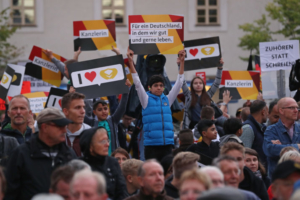
Innovations in Poverty Eradication in Germany

Poverty Eradication in Germany
Historically, Germany has not been without its economic or financial hardships. Since the 1990s, nearly a quarter (or 15%) of Germany’s population has had the classification of being poor. What is Germany doing in the modern age to combat a significant and stagnant impoverished population? Additionally, why have Germany’s poverty rates not reflected the country’s staggering economic growth? Finally, how is Germany’s poverty-reduction legislation impacting refugee families? This article will illuminate the radical legislation and innovations about poverty eradication in Germany including what the country has implemented to reduce inequality, domestically and globally, in the 21st century.

The BMZ Behind It All

Poverty eradication in Germany began with the BMZ (a German-language acronym for the English-translated “Federal Ministry of Economic Cooperation and Development”). The BMZ is solely responsible for all affairs regarding poverty relief and economic development in Germany and abroad. In recent history, the BMZ has committed itself to addressing the underlying factors, circumstances and mechanisms that create poverty in the first place. In the early 1990s, the BMZ published international and domestic development goals which, to this day, influences the nation’s fight against poverty. Strong social welfare, personal incentive for work and widespread access to education reduced the national proportion of people experiencing poverty to as low as 7% in 2007.

At the time, radical steps like systemic reformations and direct focus on franchising majority impoverished groups of people were novel and began Germany’s repertoire as a powerful benefactor to its poorest constituents. With recent international crises (like the Syrian Civil War) and the advent of automation, however, Germany’s poverty line has all but slowly grown. However, a recent 6.1 billion euro ($7.2 billion USD) expansion of Germany’s social welfare program, Hartz IV (dedicated to long-term unemployment) spells relief for many displaced and at-risk peoples in Germany.

Young Families, New Challenges

Starting a family is, unquestionably, one of the most difficult and unique things a couple (or individual) can undertake. Additionally, it is no short order to both raise a young family while providing for it – and, sometimes, it is nearly impossible to maintain a “work-life balance,” which typically ends in financial hardship. Poor families are at risk to begin with; a new child may well be the tipping point into impoverishment, and the cycle only proliferates when families raise children in poverty. Enter one of Germany’s most radical pieces of legislation, the Parental Allowance and Parental Leave Act, created exclusively to alleviate the financial stresses that new families often face. New parents may receive up to 60% of their income for up to 3 years, addressing underlying systemic cycles of poverty, especially with already at-risk, younger individuals, rather than focusing on short-term manifestations of it.

Providing low-risk, low-stress economic stability for growing families almost ensures that the cycle breaks as well. As of 2014, only 9.5% of children in Germany lived in poverty, compared to the nation’s average of 14%. The Parental Allowance and Leave act has proven to be an extremely successful player in poverty relief in Germany.

International Commitments

Germany has not only invested in domestic poverty relief, it is also interested in working toward poverty relief internationally. Chancellor Angela Merkel has committed to doubling the nation’s UNDP core funding to combat the economic hardship that COVID-19 has brought on internationally. Germany has been the largest single contributor to the UNDP’s core resources since 2017 and has solidified that position by donating nearly $124 million to the core fund this year alone. What that means is increased spending power for the UNDP during the COVID-19 pandemic, which the UNDP predicts will cause the first reversal of human global development since the early 1990s. Germany’s increased budget for the UNDP will go to essential poverty relief efforts in 130 countries that the pandemic has greatly affected, providing assistance for hundreds of millions across the globe.

COVID-19 Relief in Germany

At the start of the COVID-19 pandemic, Germany experienced its impact economically, socially and culturally much like the rest of the world. In Germany, the unemployment rate from March to April 2020 increased by 0.8%. Poverty rates have remained consistent as well, with surprising research showing that poorer workers are at no greater risk of succumbing to the novel coronavirus. What differentiates Germany’s COVID experience is its radical response and mobilization against the extreme economic fallout COVID spelled.

The German government has committed an unprecedented $868 billion relief package for its most vulnerable populations, small businesses and manufacturers. In addition, Germany has expanded wage subsidies for furloughed individuals and executed a tax slash of 3%. In this exceptionally trying time, Germany has revolutionized the way the world thinks about social security, and it stands that German citizens will feel the impact of this emergency poverty relief in Germany for decades to come.

Germany has been a litmus test as a standard for social welfare since the dawn of the modern age. Poverty eradication in Germany is a multifaceted, extensive and progressive approach to the seemingly Sisyphean task of battling poverty at home and abroad. Strong COVID-19 relief plans, the groundbreaking Parental Leave Act, a dedicated ministry of economic affairs and a commitment to international well-being makes for innovative anti-poverty measures that are paving the way for the world.

– Henry Comes-Pritchett
Photo: Getty Images

September 9, 2020
https://borgenproject.org/wp-content/uploads/borgen-project-logo.svg 0 0 Jennifer Philipp https://borgenproject.org/wp-content/uploads/borgen-project-logo.svg Jennifer Philipp2020-09-09 13:14:232024-06-06 00:43:15Innovations in Poverty Eradication in Germany
COVID-19, Global Poverty

Protecting Iraq’s Yazidi Communities During COVID-19

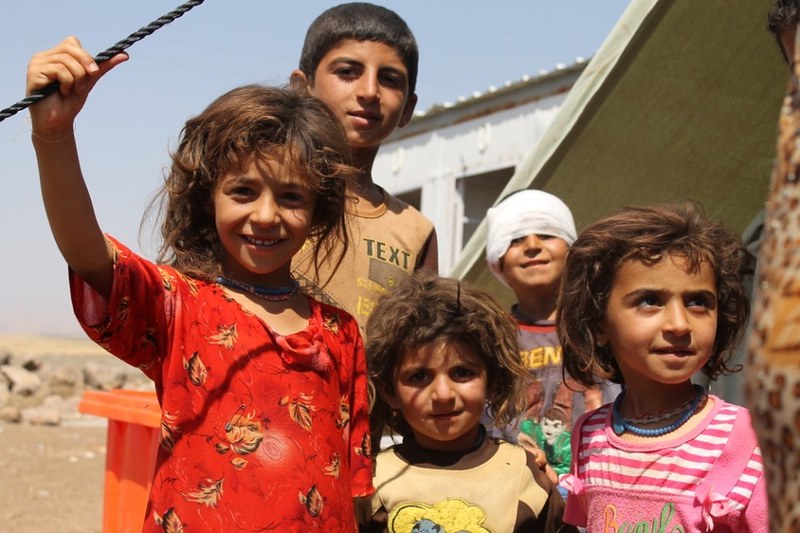
Yazidi CommunitiesHaving been targeted by ISIL during its military campaign in 2014, the Yazidis have gained significant international attention over recent years. However, few knew much about the importance of Yazidi communities to the overall stability in Iraq before their genocide.

Who Are the Yazidis?

The Yazidis are a Kurdish-speaking minority located primarily in northern Iraq, where about 400,000 lived as of 2014. They have traditionally kept to themselves but experienced ethnic and religious persecution from both Saddam Hussein’s regime over the years as well as ISIL most recently. Such oppression crippled Yazidi communities as their members dealt with the economic fallout and social setbacks resulting from trauma. The novel coronavirus poses a new threat, and the consequences for peace and security in Iraq will be manifold — especially if the Yazidis are excluded from Iraq’s COVID-19 economic recovery strategy.

The COVID-19 Crisis

The spread of COVID-19 has hurt Iraq and its people on a grand scale, as it has in the rest of the world. Yet, despite a low number of cases in northern Iraq, Yazidi communities have been disproportionately affected by the virus due to safety measures taken by the Iraqi government. In Sinjar, where many Yazidis in Iraq live, most of the working population must travel for jobs located outside of the city or are farmers who rely on visiting other cities to sell their crops. However, this way of life is no longer possible under the imposed movement restrictions. Yazidis cannot leave Sinjar for employment, and farmers cannot travel to other cities. Therefore, many Yazidi communities have essentially lost all means of income.

The emergency measures have also adversely impacted the Yazidis on the healthcare front, as access to healthcare has been reduced. Those requiring medical attention can only receive it four hours away in Mosul, taking an ambulance so that they can cross various checkpoints throughout the province. Along with the long trip, some Yazidis do not seek treatment in Mosul because of the language barrier. These factors have further ostracized the Yazidis economically and socially, thus risking an increase in regional poverty.

The Resurgence of Poverty and of ISIL

Poverty’s resurgence in Yazidi communities because of the novel coronavirus has myriad implications for peace and security within the Middle East. In addition to trauma following the end of ISIL’s occupation of Yazidi land, the pandemic has created a mental health crisis within Yazidi communities. Those who previously received counseling at mental health facilities are no longer able to obtain that help due to COVID-19. Some experts are even predicting that 25% of Yazidis will require mental health care after the pandemic subsides.

Others have raised concerns surrounding the return of ISIL during this period of instability. Iraq’s government has acted on this issue militarily and can continue to fight ISIL’s revival by providing economic aid and building necessary healthcare infrastructure in Yazidi communities.

Humanitarian Solutions and NGOs

Ultimately, northern Iraq’s stability will not be achieved through military success alone. The long-term solution will be humanitarian. Following the U.N. Sustainable Development Goals (SDGs), such as developing better infrastructure, will lead to extraordinary progress on other pressing problems in Iraq, like reducing poverty and improving health.

Giving non-governmental organizations, like Yazda, a bigger role in community building is another way to strengthen Yazidi societies. Yazda focuses on helping Yazidis in various ways. It has already helped thousands obtain mobile medical services in addition to providing hundreds of mental health and socioeconomic assistance and supporting hundreds more in their pursuit of criminal justice.

For now, Baghdad is focused on reopening its urban and economic centers. However, including Yazidi communities in the reopening process during and after COVID-19, as well as supporting them to become more resilient in tumultuous conditions, will be crucial in preventing future conflicts and eliminating poverty in Iraq.

– Alex Berman
Photo: Flickr

September 9, 2020
https://borgenproject.org/wp-content/uploads/borgen-project-logo.svg 0 0 Kim Thelwell https://borgenproject.org/wp-content/uploads/borgen-project-logo.svg Kim Thelwell2020-09-09 07:30:032024-05-30 07:52:38Protecting Iraq’s Yazidi Communities During COVID-19
COVID-19, Global Poverty, Hunger

The Fight Against Hunger in Togo

Hunger in Togo
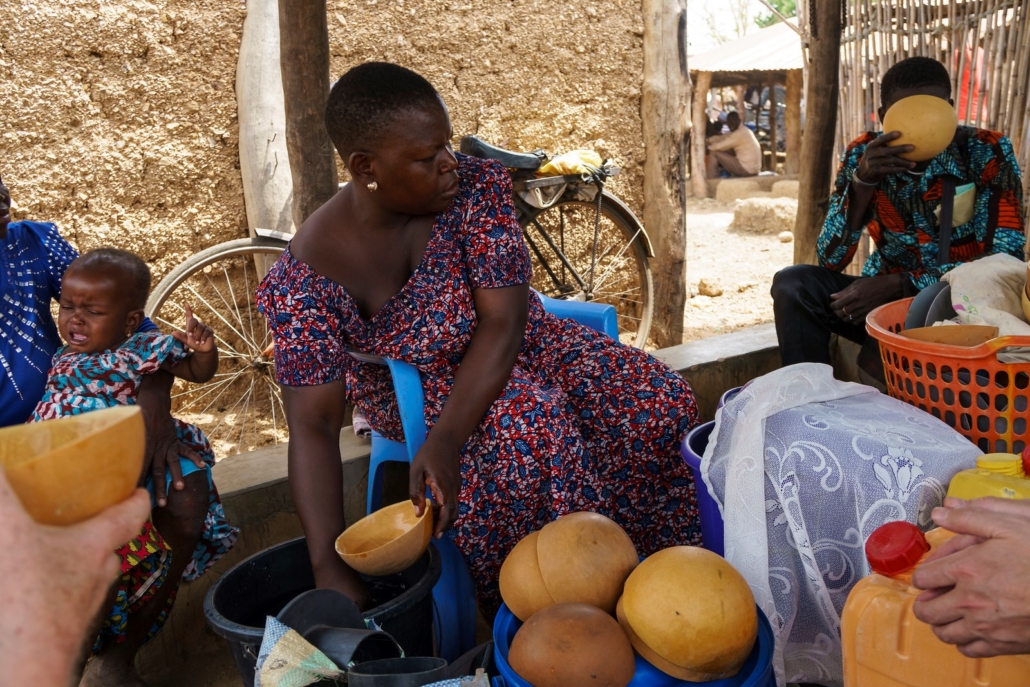
Many West African countries have been struggling with the indirect effects of COVID-19, hunger being the worst of the side-effects that the pandemic brought on. Togo is one of these nations facing an escalating death rate due to the indirect results of COVID-19 such as hunger and malnutrition. Here is some information about the increased hunger in Togo.

Causes of Hunger in Togo

The decrease in demand for phosphate contributed to Togo’s economic struggles. Phosphate is a natural resource that the country produces abundantly. For the majority of the 19th century, Togo’s economy depended on the rare mineral, but since the early 2000s, phosphate prices have gone up and the sales have gone down. Thus, the republic is now agriculture-dependent, like many of its neighbors.

Due to the quick shift between the two sectors, the agricultural aspect of the economy does not receive adequate support. In fact, only 16% of farms in Togo currently use fertilizers, meaning that they do not function optimally. Farms also only make up 2% of bank loans nationwide, which shows that farmers are not investing in technology to improve their business longterm. For the Togolese Republic, agriculture maintains nearly 40% of the economy. This field did not have the preparation for so many to be economically dependent on it, which is one of the reasons why 58% of the Togolese population live in poverty.

The Environment and Hunger

In the past 10 years, droughts in Togo have worsened significantly, with rainfall decreasing by 2.4% per decade and temperature increasing by 1.1°C in the last half a century. While these numbers may not seem high, they have a significant negative consequence on the success of agriculture. A 2°C increase in temperature, which predictions determine could occur by 2050, could create a decrease of 62.02% in the net revenue of the nation and put an even higher percentage of the population under the poverty line and into the malnourished category. An increase in the number of floods has further subdued agricultural progress.

Hunger in Togo Statistics

With impoverishment comes hunger. Togo is 81 out of 117 countries on the Global Hunger Index. As of now, 16.1% of the population experiences undernourishment. The Togolese Republic had decreased its hunger rates from 32% back in 2001. It has successfully stabilized its depth of hunger rates, with average nutrition being around 280 kilocalories and consistently lower than that of a healthy population for the last decade. Yet, to this day, nearly 30% of children under the age of 5 experience chronic malnourishment, with spikes of up to 43% in the Savannah region, where the dry, hot climate drastically worsens hunger and poverty.

Side Effects of Hunger

Although hunger in itself is a major human rights issue, there are many side effects of hunger and malnutrition that put the population at a further disadvantage. Poor cognitive development in children, diabetes and growth stunts are all severe byproducts of population malnutrition. The effects of hunger on mental health are just as devastating. Parents of malnourished children are 53.1% more likely to go through depression and 56.2% more likely to have PTSD.

These side effects can drastically decrease productivity in both the parents and the children once the children grow up, thus furthering the poverty and hunger in the family. It is arduous for governments to control hunger in the population as when it is so widespread. In fact, malnourished workers can further worsen the economy leading to more hungry citizens. Some believe that the estimated cost of malnutrition to the global economy is around $3.5 trillion per year.

Effects of COVID-19 on Hunger

The current global pandemic has negatively affected nearly every country in the world, but it seems that West African countries like Togo will struggle much more economically. The disease severely impacted Togo’s agriculture season. With enforced social distancing and curfews, limits on working hours and enforced policies on markets and sellers, farmers have experienced economic challenges. Environmental challenges have already been decreasing the success of farming in the West African region but the pandemic might have even worse effects. The closing of schools also meant that many children who relied on in-school meal plans, now have no access to nutrition.

Fighting Hunger in Togo

As previously highlighted, without government intervention, high rates of hunger in a population after time lead to even higher rates of hunger; therefore, it is economically beneficial for the government to involve itself. Yet, the Togolese government has not made the proper investment into agriculture or hunger initiatives over the past decade.

The World Food Programme (WFP) has been one of the main actors dealing with the issue of hunger in Togo. WFP has been present in Togo since 1968 and is currently participating in three main projects to help the country: United Nations SDG 2030 Fund, WFP Immediate Response Account (IRA) for emergency preparedness activity in Togo and U.N. Country Team (UNCT) for food assistance to those who experienced floods in the Togo maritime region. WFP has been working on increasing and improving food production strategies across the territory, providing technical and financial assistance to farms and training 95 national actors from northern Togo on a joint quick assessment of humanitarian needs after a catastrophe. WFP has also introduced food-for-work projects in the region, in which citizens receive nourishment for participating in reforestation or improvement of roads.

In order to help the Togolese government respond to COVID-19 properly, WFP has not only been providing food to those the pandemic has affected but also collecting data from 2,180 households about food security. However, the virus has now delayed many of WFP’s projects.

Although hunger has been rising drastically over the last couple of months globally, social response and aid have also been on the rise. Hunger in Togo will likely increase in 2020, but given the work of NGOs such as WFP, the citizens of Togo will hopefully receive the aid they need.

– Anna Synakh
Photo: Flickr

September 9, 2020
https://borgenproject.org/wp-content/uploads/borgen-project-logo.svg 0 0 Borgen Project https://borgenproject.org/wp-content/uploads/borgen-project-logo.svg Borgen Project2020-09-09 01:30:352020-09-09 09:57:55The Fight Against Hunger in Togo
COVID-19, Global Poverty, Homelessness

The Process of Reducing Homelessness in Lithuania

Homelessness in Lithuania
Lithuania has experienced many issues with poverty and an increase in homelessness since its independence in the early 1990s. Its independence quickly led to high unemployment, low wages, poor state support in security housing, gaps in social housing provisions and an underdeveloped social services sector. This eventually resulted in a surge in homelessness in Lithuania.

Despite the overall increase in homelessness, Statistics Lithuania reported over 4,000 homeless people in 2017. While significant, the 4,000 homeless people in 2017 is actually a reduction since 2012 when reports determined that there were about 4,957 homeless people in Lithuania. The Lithuanian government has put some social policies in place in the case of unemployment; people who register with employment services can receive benefits while also using provided resources to look for another job.

With these policies, Lithuania has experienced a drop in unemployment from over 17% in 2010 to 6.35% in 2019. The Lithuanian government has stepped in over the past few years in response to the homelessness crisis and implemented provisions that promised public housing and services to those in need of assistance. The following key points will explain how Lithuania is combating the crisis and the challenges it is facing.
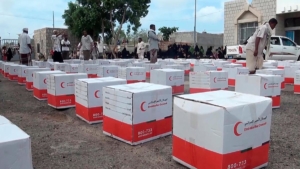
How Lithuania is Combating the Homelessness Crisis

According to the European Social Policy Network, the Lithuanian government put legislation and policies in place to help people experiencing homelessness:

  1. Shelters and crisis centers for homeless people: There are provisions for shelter in two forms: short-term temporary housing and crisis centers. Short-term temporary housing is for homeless people and people with addictions or other critical situations that threaten a person’s health or life. Services there include information, medication and representation, access to basic facilities for personal hygiene and access to health care. The duration of these services can last up to three nights. Crisis centers are for homeless people and victims of violence. Services include social and psychological support, employment consulting, skill-building, access to healthcare and more. Crisis center services aim to restore independent living and social connections and to help people reintegrate into society. The duration of these services may last up to six months and can receive an extension. There are also day centers for the homeless. These facilities allow people a safe place to stay during the day, to make food, attend courses and receive other social services.
  2. A brief history of social housing in Lithuania: Prior to Lithuania’s independence, the Soviet Union enacted a mass construction of social housing. Students, workers and young people leaving foster homes were the main demographic of people using this housing. The Lithuanian government dismantled public housing and allowed citizens to restore their property in the form of real estate after gaining its independence. Mass privatization eventually led to a surge in housing prices. As a result, vulnerable groups unable to afford housing returned to the streets.
  3. Ex-convicts received a chance to live independently: Ex-convicts received counseling and services aimed at preparing them for independent living. The ex-convicts would often receive access to these services toward the end of their sentences. There are no statistics on exactly how many ex-convicts are homeless, but the number of ex-convicts in homeless shelters has gone down in recent years.
  4. Larger cities with the highest rates of homelessness have their own policies in battling homelessness:  In the city of Vilnius, the municipality has a program that establishes transitional supported accommodation for people moving from homeless shelters to independent living. Accommodations have the support of social workers to manage finances and debt. They also offer counseling services to help people adjust.
  5. Recent legislation allows municipalities to provide housing for those in need:  Effective January 2019, an amendment allowed municipalities to rent housing from private or legal persons and then sublet it to people in need of housing support. This was in response to the issue of people illegally renting houses which prevented people from receiving rent assistance. This amendment addressed the stigma associated with poor and homeless people in the rental market.

The Challenges Lithuania Faces in the Fight Against Homelessness

The current programs and policies show the progress Lithuania has made since its independence. However, the country still faces challenges in its fight against homelessness:

  1. The number of evictions from social housing is increasing: The Lithuanian government made provisions for financial compensation to help with the cost of utilities for low-income citizens. Municipalities can also provide debt relief to recipients of social assistance. During the coronavirus pandemic, financial assistance increased and Lithuania facilitated new conditions for obtaining assistance. Despite this, evictions increased and counseling for debt relief became nonexistent.
  2. There is low-level reliability of funding for social protection for housing: Financing social housing in Lithuania has increased over the past decade but it has been low in comparison to the rest of the E.U. In 2016, the expenditure on social housing in purchasing power standards in the E.U. was about €54 per inhabitant whereas Lithuania’s expenditure was about €12 per inhabitant. The Ministry of Social Security and Labor planned to allocate over €3 million in housing support for 2019.
  3. The duration of stay in shelters is insufficient: Staying at a shelter for three nights does not solve the complex problems of homeless people. In many cases, once a person leaves the shelter they receive no further support and return to the streets.
  4. Social housing is difficult to obtain: It can take people anywhere from three to 12 years to receive social housing depending on the municipality. In 2014, the number of persons and families waiting for social housing was about 32,000. The waiting list decreased to approximately 10,500 in 2017. This was due to revisions on the waiting list and the enforcement of duty to declare assets and income.

Lithuania’s Ministry of Social Security and Labor has put into effect policies to help decrease the wait times for social housing. In 2024, wait times for social housing could decrease to five years. Meanwhile, in 2026, expectations determine that the wait times could decrease to about three years. If municipalities do not provide social housing by the deadline, they must compensate part of the rent to families in their current housing while they wait for social housing.

The policies the Lithuanian government has put in place have helped many homeless people get back on their feet. However, it is clear that Lithuania has a long way to go to resolve the issue of homelessness.

– Jackson Lebedun
Photo: Flickr

September 8, 2020
https://borgenproject.org/wp-content/uploads/borgen-project-logo.svg 0 0 Jennifer Philipp https://borgenproject.org/wp-content/uploads/borgen-project-logo.svg Jennifer Philipp2020-09-08 12:59:122020-09-08 12:59:12The Process of Reducing Homelessness in Lithuania
COVID-19

The UAE’s History of Foreign Aid Assistance

Foreign Aid AssistanceThe United Arab Emirates (UAE) is a Middle Eastern country made up of seven emirates. Each emirate has a unique ruler, but one of those rulers acts as the president of the entire UAE. The population of the UAE is 9.2 million and their GDP was $421.14 billion in 2019. This makes them one of the richest countries in the Middle East. Thankfully, over the years, the UAE has been utilizing a portion of its GDP to provide foreign aid assistance.
The Goal of the UAE’s Foreign Aid Assistance

The UAE aims to be unbiased in its humanitarian assistance, not focusing on politics or beliefs. This is a byproduct of the UAE’s mission for tolerance. The UAE has made multiple initiatives in recent years to promote tolerance not only in their foreign affairs but also in their domestic affairs. At the end of 2018, President H. H. Sheikh Khalifa bin Zayed declared 2019 the Year of Tolerance. To push this goal forward, the UAE began teaching tolerance in schools, focused on promoting more tolerant policy, and created a number of organizations to promote tolerant objectives. In order to carry out these aims internationally, the UAE’s Cabinet formed the UAE Humanitarian Committee. The committee brings together experts in the field to ensure that their foreign aid is efficient and moral.

History

According to the UAE’s website, the UAE provided more than 47 billion AED in foreign aid assistance from 1971 to 2014. Africa is the largest recipient of the UAE’s foreign aid. However, the UAE also provided assistance to those in their neighboring communities. In 2015, the UAE was named the World’s Top Humanitarian Donor as a percentage of its GDP for the year 2013. The Development Assistance Committee of the Organization for Economic Cooperation and Development gave this award. In 2013 the UAE provided roughly 5.89 billion U.S. dollars in foreign aid, equal to about 1.33% of their GDP. More than 140 countries received this aid, and it focused on issues such as health, education and social services.

Present Day

The year 2020 has been tumultuous for every country due to COVID-19, causing many nations to focus solely on domestic affairs. The UAE has remained dedicated to its mission regarding foreign aid assistance. It has also been making strides to ensure that both their people and other countries have the tools they need to combat this global pandemic.

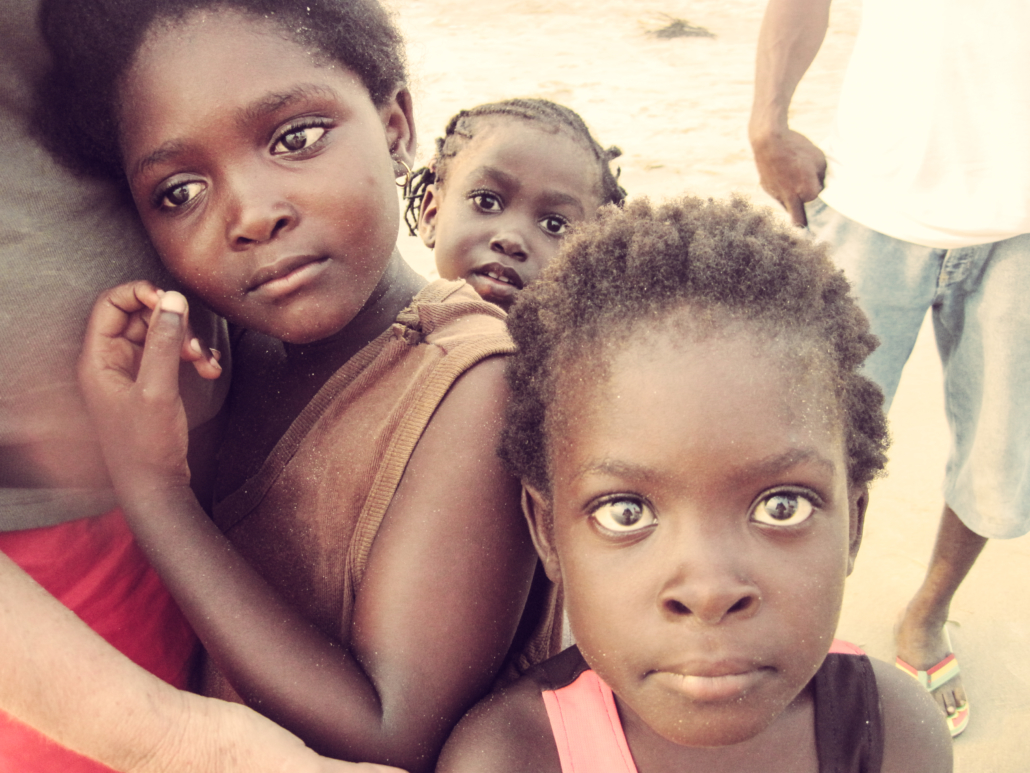
A major factory was repurposed to produce only N95 masks in Abu Dhabi, the capital of the UAE. This factory has the capacity to produce more than 90,000 masks per day. To date, the UAE has provided more than 1,000 metric tons of foreign aid assistance in response to COVID-19. Additionally, $10 million was donated by the UAE via the World Health Organization. The donation went toward COVID-19 testing kits.

In addition to their COVID-19 foreign aid response, the UAE has been a major player in foreign aid assistance to those affected by the Beirut Port explosion. On August 4, 2020, two explosions caused the death of close to 200 people. They also destroyed the homes of many more in Lebanon. The UAE has utilized its organization, the Emirates Red Crescent (ERC), to provide foreign aid assistance in Lebanon after this tragedy. This aid focuses on providing medical supplies and medical support.


The UAE has set an example not only of the degree in which countries should engage in foreign humanitarian assistance but also in the way they should do so. Humanitarian assistance is not about a country’s beliefs, geography or affairs. Instead, humanitarian assistance is about facilitating a more equal society where everyone is able to fulfill their basic needs.

– Danielle Forrey
Photo: The National

September 7, 2020
https://borgenproject.org/wp-content/uploads/borgen-project-logo.svg 0 0 Kim Thelwell https://borgenproject.org/wp-content/uploads/borgen-project-logo.svg Kim Thelwell2020-09-07 11:22:462024-05-29 23:23:22The UAE’s History of Foreign Aid Assistance
COVID-19, Global Poverty, Water Quality

How a Solar Wash Hand-Washing Basin Saves Lives

Solar WashWith the rapid spread of COVID-19, public health and hygiene habits are being promoted unlike ever before. The importance of handwashing has been particularly emphasized as it is, according to The World Bank, “one of the most effective ways to prevent transmission of disease,” including COVID-19. However, in many countries where access to clean water is rare, disease and unsanitary conditions present an even greater threat.
Access to Water in Ghana

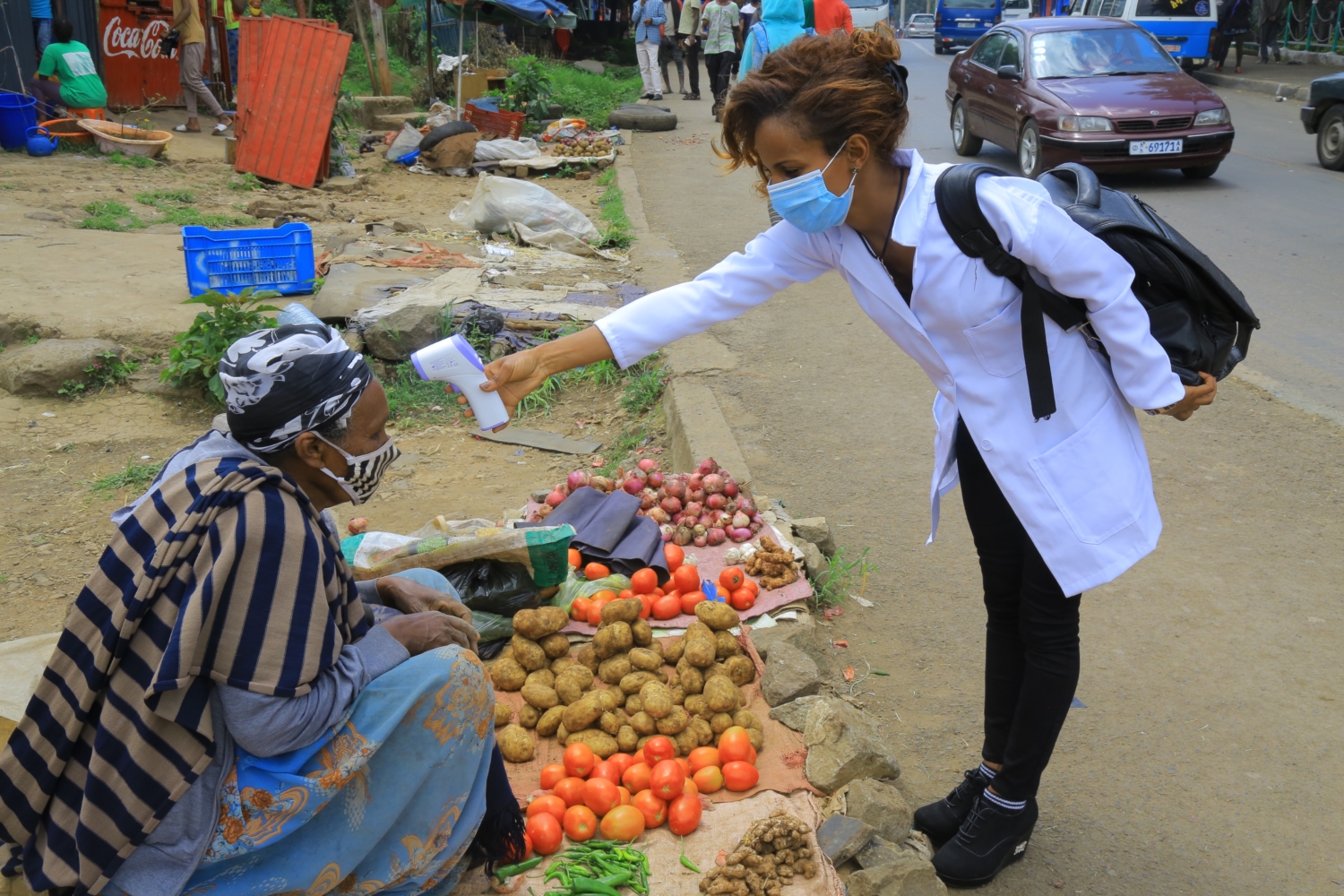
In Ghana, more than five million people utilize surface water to meet their basic needs.  Utilizing contaminated water is often the only option many people have. However, it leaves populations vulnerable to water-related diseases, infections and illnesses. In many cases, this discourages populations from practicing handwashing, taking daily baths, and ensuring their body is sufficiently nourished. As a result, the transmission of water-related diseases increases. This establishes and encourages poor hygiene, sanitary and personal care habits.

Solar Wash

Two native Ghanian brothers, Richard Kwarteng and Jude Osei, have developed a solar-powered handwashing basin in efforts to curb the spread of COVID-19 and “encourage regular hand-washing etiquette,” Kwarteng said. The invention, called Solar Wash, uses just a few components. It comprises of an alarm, a sink, a sensor, a faucet, a motherboard and a solar panel. Solar Wash resembles a regular hand-washing sink but works in an even more hygienic, sustainable and cost-efficient manner.

Solar Wash’s sensors ensure users do not have to physically touch the faucet’s tap. First, upon sensing motion, the sensor dispenses soapy water and enacts an alarm for 25 seconds. This is in accordance with the guidelines of the World Health Organization (WHO) and the Centers for Disease Control (CDC). After the 25 seconds, the tap dispenses just enough water for users to conclude washing their hands. Solar Wash acts as a handwashing station for 150 people during just one charging cycle.

The Ghanaian Ministry of Environment, Science, Technology and Innovation is working with Kwarteng and Osei. They are working to ensure the continuation of Solar Wash manufacturing and its accessibility to people in all of Ghana.

Global Potential of Solar Wash

Solar Wash emerged in Ghana as a result of the COVID-19 pandemic. However, continued manufacturing and placement of the invention would greatly improve conditions around the world, particularly those living in poverty. Continued use of Solar Wash, or similar technology, would:

  1. Reduce the spread of water-transmissible diseases – According to the CDC, “about 1.8 million children under the age of five die each year from diarrheal diseases and pneumonia.” The spread of pneumonia and diarrheal diseases can be significantly reduced with proper handwashing practices, protecting “about one out of every three young children who get sick with diarrhea and almost one out of five young children with respiratory infections like pneumonia.”
  2. Offer a sustainable solution to the global water crisis – In 2019, about two billion people were living in a country engulfed by high water stress. In other words, there were about two billion people without access to enough water to fulfill their basic needs. To globally address the water crisis, the world needs an affordable, sustainable and accessible solution, which Solar Wash offers.
  3. Reduce global poverty – UNICEF and the WHO said, “over half of the global population or 4.2 billion people lack safely managed sanitation services.” This contributes to the spread of many diseases and illnesses, including COVID-19, diarrheal diseases, cholera, adenovirus and salmonella. By reducing the spread of these infections, illnesses and diseases, populations have a lower chance of being engulfed by poverty. They will be able to work, attend school and so forth.

Conclusion

Innovations like Solar Wash demonstrate simple but important practices and solutions needed to alleviate poverty. Solar Wash offers a simple, affordable and sustainable means of practicing handwashing with its simple build and technical structure. An innovation like Solar Wash can play an immense role in reducing health-related concerns in Ghana. It can also help throughout the world with continued production and implementation.

– Stacy Moses
Photo: Flickr

September 7, 2020
https://borgenproject.org/wp-content/uploads/borgen-project-logo.svg 0 0 Kim Thelwell https://borgenproject.org/wp-content/uploads/borgen-project-logo.svg Kim Thelwell2020-09-07 11:13:472024-05-29 23:23:28How a Solar Wash Hand-Washing Basin Saves Lives
COVID-19, Global Health, Global Poverty, Health, United Nations

What the Numbers Don’t Reveal About COVID-19 in Africa

COVID-19 in AfricaOn a world map of the distribution of COVID-19 cases, the situation looks pretty optimistic for Africa. While parts of Europe, Asia and the United States are shaded by dark colors that implicate a higher infection rate, most African countries appear faint. This has created uncertainty over whether or not the impact of COVID-19 in Africa is as severe as other continents.
Lack of Testing

A closer look at the areas wearing light shades reveals that their situation is just as obscure as the faded shades that color them. Dark spots indicate more infections in places like the U.S. However, in Africa these are usually just cities and urban locations, often the only places where testing is available.

Although insufficient testing has been a problem for countries all over the world, testing numbers are much lower in Africa. The U.S carries out 205 per 100,000 people a day. Nigeria, the most populous country, carries one test per 100,000 people every day. While 8.87% of tests come back positive in the U.S, 15.69% are positive in Nigeria (as of Aug. 4, 2020). Nigeria was one of 10 countries that carried out 80% of the total number of tests in Africa.

As a continent that accounts for 1.2 billion of the world’s population, the impact of COVID-19 in Africa is even more difficult to measure without additional testing. To improve this, the African CDC has set a goal of increasing testing by 1% per month. Realizing the impossibility of reliable testing, countries like Uganda have managed to slow the spread by imposing strict lockdown measures. As a result, the percentage of positive cases in Uganda was only 0.82% (as of Aug. 4, 2020).

A Resistant Population

COVID-19 in Africa has had a lower fatality rate than any other continent. Fatality rates may even be lower than reported. Immunologists in Malawi found that 12% of asymptomatic healthcare workers were infected by the virus at some point. The researchers compared their data with other countries and estimated that death rates were eight times lower than expected.

The most likely reason for the low fatality rate is the young population. Only 3% of Africans are above 65 compared with 6% in South Asia and 17% in Europe. Researchers are investigating other explanations such as the possible immunity to variations of the SARS-CoV-2 virus as well as higher vitamin D in Africans with more sunlight exposure.

Weak Healthcare Systems

Despite these factors, the impact of COVID-19 in Africa is likely high. Under-reporting and under-equipped hospitals contribute to unreliable figures. Most hospitals are not prepared to handle a surge in cases. In South Sudan, there were only four ventilators and 24 ICU beds for a population of 12 million. Accounting for 23% of the world’s diseases and only 1% of global public health expenditure, Africa’s healthcare system was already strained.

Healthcare workers have the most risk of infection in every country. In Africa, the shortage of masks, equipment and capacity increases the infection rate further amongst healthcare workers. Africa also has the lowest physician to patient ratios in the world. As it can take weeks to recover from COVID-19, the recovery of healthcare workers means less are available to work.

Additionally, those that are at-risk and uninsured can rarely afford life-saving treatment in Africa. For example, a drug called remdesivir showed promising results in treating COVID-19. However, the cost of treatment with remdesivir is $3,120 – an unmanageable price for the majority of Africans. These factors will determine the severity of COVID-19 in Africa.

Economic and Psychological Factors

Strict lockdowns have helped some nations in controlling the spread of COVID-19 in Africa but at a very great price.

Lack of technology often means that all students stop learning and many lose their jobs. More than three million South Africans have become unemployed due to the lockdown. The lockdowns have also resulted in much higher rates of domestic violence, abuse and child marriage. Many such cases go unreported and mental health services for victims or those struggling through the pandemic are unavailable. In Kenya, the U.N. has appealed for $4 million to support those affected by gender-based violence.

The slow spread of COVID-19 in Africa has allowed the continent and leaders to prepare, and the young population will lessen the impact. Although there’s reason to be hopeful, there’s no doubt that there will be an impact on Africa’s economy and future. This calls for the need of foreign assistance – not only in controlling COVID-19 in Africa but in the recovery of the continent for years to come.

– Beti Sharew
Photo: Flickr

September 7, 2020
https://borgenproject.org/wp-content/uploads/borgen-project-logo.svg 0 0 Kim Thelwell https://borgenproject.org/wp-content/uploads/borgen-project-logo.svg Kim Thelwell2020-09-07 10:42:042020-09-07 10:42:04What the Numbers Don’t Reveal About COVID-19 in Africa
COVID-19, Global Poverty, United Nations

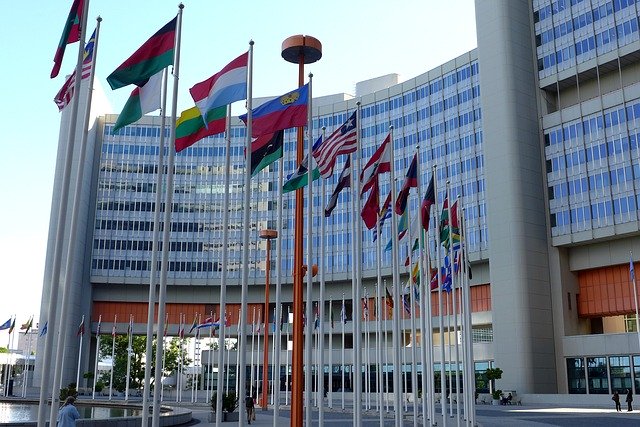
Celebrating the 75th Anniversary of the United Nations

Anniversary of the United Nations
In the 75 years since its establishment, the United Nations has led global efforts to promote human rights and eradicate poverty, especially in developing nations. House Resolution 1024, in the U.S. House of Representatives, celebrates the 75th anniversary of the United Nations and its establishment. The resolution also acknowledges the organization’s role in leading responses to global crises and promoting international peace and security.

The United Nations Purpose

Established in 1945 in the aftermath of the Second World War, the United Nations (U.N.) is an international organization that is currently comprised of 193 member states. The primary bodies that make up the U.N. are the General Assembly, the Security Council, the Economic and Social Council, the Trusteeship Council, the International Court of Justice and the U.N. Secretariat. The mission of the U.N. is to maintain international peace and unite peoples around the globe in pursuit of a better world. Additionally, the U.N. provides humanitarian assistance to those in need, upholds international law and protects human rights.

The United Nations & Global Poverty Reduction

For decades, the U.N. has been a leader in global efforts to reduce poverty and promote sustainable development. The first of the U.N.’s 17 Sustainable Development Goals (SDGs) is to end poverty in all its forms, everywhere. In line with this goal, the U.N. has mobilized its member states to dedicate resources to the eradication of poverty. It has facilitated cooperation between countries to support developing countries in particular in implementing poverty reduction programs and policies.

Due to global efforts spearheaded by the U.N., poverty has decreased substantially in the past few decades. For instance, from 1990 to 2015, extreme global poverty decreased from 36% to 10%. However, the economic fallout from the COVID-19 pandemic is threatening this progress. In addition, the U.N. warns that global poverty could rise for the time in 30 years. Nevertheless, the U.N. is committed to a comprehensive and coordinated, global response to mitigate the effects of the pandemic.

House Resolution 1024 (H.Res. 1024)

The purpose of H.Res. 1024 is to celebrate the 75th anniversary of the establishment of the United Nations. Another purpose is to call upon the President of the United States to issue a proclamation. As a result, U.S. citizens can observe the anniversary with appropriate ceremonies and activities. The resolution praises the U.N.’s commitment to eradicating extreme poverty and hunger and its leadership in addressing global health issues. It also commends the U.N. for its responses to unprecedented humanitarian crises and its essential role in maintaining international peace and security.

Status of the Resolution

On June 25, 2020, the 75th anniversary of the signing of the United Nations’ Charter, Rep. Barbara Lee [D-CA-13] introduced H.Res. 1024 into the U.S. House of Representatives — recognizing the 75th anniversary of the establishment of the U.N. The resolution was referred to the House Committee on Foreign Affairs. Additionally, it currently has 27 Democratic co-sponsors. Moreover, H.Res. 1024 is in the first stage of the legislative process.

H.Res. 1024 commemorates the 75th anniversary of the establishment of the United Nations. According to Rep. Lee, it is “vital to our global community and essential to realizing a peaceful and prosperous shared future.” She notes that, since its founding in 1945, the U.N. has played a crucial role in conflict prevention, peacemaking, maintenance and the safeguarding of human rights around the world.

– Sarah Frazer
Photo: Pixbay

September 3, 2020
https://borgenproject.org/wp-content/uploads/borgen-project-logo.svg 0 0 Kim Thelwell https://borgenproject.org/wp-content/uploads/borgen-project-logo.svg Kim Thelwell2020-09-03 02:23:332024-05-14 11:44:57Celebrating the 75th Anniversary of the United Nations
COVID-19, Development, Health

CATCH Technology for Virus Discovery

CATCH Technology for Virus DiscoveryAccurate and efficient virus detection is needed now more than ever. In areas like Africa, one of the most prevalent diseases is the viral disease of HIV/AIDS. Thousands of people die every year due to viral diseases like HIV/AIDS and even the seemingly harmless flu. The most recent of viruses is COVID-19, the rapidly spreading virus that has led to a global pandemic. CATCH technology for virus discovery provides hope for a less disease-stricken future.

CATCH Technology for Virus Discovery

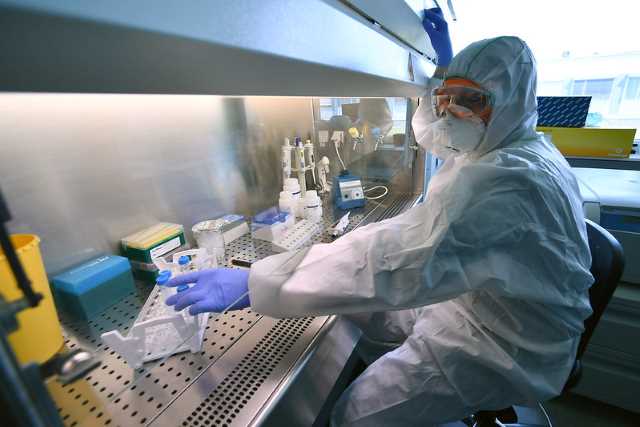
First developed in 2019 by scientists at the Broad Institute, CATCH provides scientists with an efficient new way to detect and code viruses. In scientific terms, CATCH stands for Compact Aggregation of Targets for Comprehensive Hybridization. CATCH is a computational method that allows scientists and users to design probes that then catch genetic material for all viruses known to humans. This tool is particularly helpful for viruses like Zika, which is very difficult to see in clinical samples. CATCH is able to very accurately and quickly detect even viruses that occur in low abundance in clinical samples. Due to these abilities, CATCH could play a key role in future disease prevention and treatment.

Advantages of CATCH

  1. It is adaptable. As new mutations and strains of viruses are discovered and uploaded to the GenBank database, CATCH users can quickly redesign a set of probes with up-to-date information.
  2. It is efficient at detecting viruses. The Zika outbreak in 2015 proved to be particularly problematic because the Zika virus was not easily detectable within the human body. Zika is difficult to detect because even in patients who contract the virus, blood samples would often have a very low amount of actual Zika virus particles. This is where CATCH proves to be such a groundbreaking method for virus detection. CATCH can detect even the lowest amount of virus particles present in a sample.
  3. It has the power to detect all human viruses. While the first version of CATCH only targeted 20 viruses, as the software developed, the number of viruses it targeted expanded. Now, CATCH has the ability to target all forms of viruses known to infect humans. As more viruses are discovered, they can be easily added to CATCH.
  4. It is accessible. The software for CATCH is available to any member of the public on Github and the development and validation of the tool is available via an online scientific website, Nature Biotechnology.

Impact of CATCH in Africa

In a study by researchers Hayden Metsky and Katie Siddle, data gathered using CATCH helped discover that the ZIka virus was present in several regions, months before scientists could detect it.

At the time of the Lassa outbreak in Nigeria in 2018, the Lassa virus was difficult to sequence and hard to detect. The researchers proved that by using CATCH, content of the samples of the 2018 Lassa virus could be rescued. This means that the Lassa virus will be more easily detectable.

The above results warrant the use of CATCH technology for virus discovery and for future outbreaks. The CATCH tool can be used to provide low-cost disease surveillance and the information required to control outbreaks. In the very depths of a viral pandemic like COVID-19, the CATCH tool creates hope for the future of global health.

– Lucia Kenig-Ziesler
Photo: Flickr

September 2, 2020
https://borgenproject.org/wp-content/uploads/borgen-project-logo.svg 0 0 Kim Thelwell https://borgenproject.org/wp-content/uploads/borgen-project-logo.svg Kim Thelwell2020-09-02 08:08:182020-09-02 08:12:32CATCH Technology for Virus Discovery
Page 29 of 30«‹27282930›

Get Smarter

  • Global Poverty 101
  • Global Poverty… The Good News
  • Global Poverty & U.S. Jobs
  • Global Poverty and National Security
  • Innovative Solutions to Poverty
  • Global Poverty & Aid FAQ’s
Search Search

Take Action

  • Call Congress
  • Email Congress
  • Donate
  • 30 Ways to Help
  • Volunteer Ops
  • Internships
  • Courses & Certificates
  • The Podcast
Borgen Project

“The Borgen Project is an incredible nonprofit organization that is addressing poverty and hunger and working towards ending them.”

-The Huffington Post

Inside The Borgen Project

  • Contact
  • About
  • Financials
  • President
  • Board of Directors
  • Board of Advisors

International Links

  • UK Email Parliament
  • UK Donate
  • Canada Email Parliament

Get Smarter

  • Global Poverty 101
  • Global Poverty… The Good News
  • Global Poverty & U.S. Jobs
  • Global Poverty and National Security
  • Innovative Solutions to Poverty
  • Global Poverty & Aid FAQ’s

Ways to Help

  • Call Congress
  • Email Congress
  • Donate
  • 30 Ways to Help
  • Volunteer Ops
  • Internships
  • Courses & Certificates
  • The Podcast
Scroll to top Scroll to top Scroll to top