• Link to X
  • Link to Facebook
  • Link to Instagram
  • Link to TikTok
  • Link to Youtube
  • About
    • About Us
      • President
      • Board of Directors
      • Board of Advisors
      • Financials
      • Our Methodology
      • Success Tracker
      • Contact
  • Act Now
    • 30 Ways to Help
      • Email Congress
      • Call Congress
      • Volunteer
      • Courses & Certificates
      • Be a Donor
    • Internships
      • In-Office Internships
      • Remote Internships
    • Legislation
      • Politics 101
  • The Blog
  • The Podcast
  • Magazine
  • Donate
  • Click to open the search input field Click to open the search input field Search
  • Menu Menu

Archive for category: Child Soldiers

Africa, Child Soldiers, Children

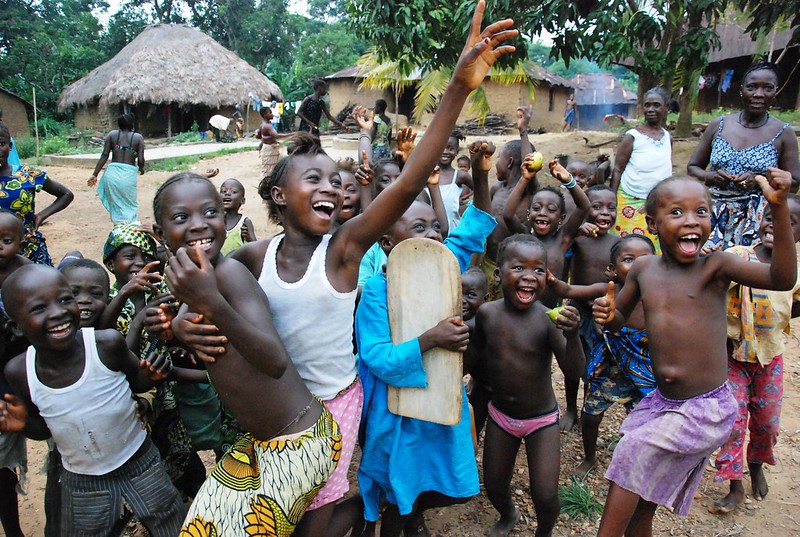
Child Soldiers in Sierra Leone

Child Soldiers in Sierra LeoneIt is upsetting when children witness violence outside their homes. There is a sense of fear about what will happen to their family and homes. As a result, it is easy to kidnap or coerce children into becoming soldiers for the sake of their country. Children experience many different forms of violence. According to UNICEF, “they may be required to participate in harrowing training or initiation ceremonies, to undergo hazardous labor or engage in combat–with a great risk of death, chronic injury and disability.”

Between 1991 and 2002 civil war took place in Sierra Leone in which the country “recruited” children as young as 7 years old as soldiers. These child soldiers were “actual” children with families and lived at home but were abducted under the promise of protection and a sense of community as the war was raging, according to UNICEF.

Stigmatization, Poverty and Vengeance

According to Human Rights Watch (HRW), children are more likely to become soldiers when they do not have access to education and live in poverty. Armed groups often make children kill their own families or neighbors to ensure stigmatization, making a child “unable to return to his or her community.”

Sierra Leone has a long history of struggling with poverty and unemployment. According to HRW, “many children join armed groups because of economic and social pressure, or because children believe that the group will offer food or security.”

Ishmael Beah was only 13 years old when the government’s army unit recruited him to fight against Rebel forces, after losing his parents and two brothers. Becoming a soldier out of vengeance for the loss of his family led him to take part in numerous battles. “When you have lost your family and everything, you quickly learn to belong in this group—but to belong to this new group requires violence. Violence becomes the way of showing loyalty,” Beah told UNICEF. Around two years later, when he was 15, UNICEF rescued him and placed him in a rehabilitation home in Freetown.

Ishmael Beah is now a UNICEF Goodwill Ambassador and pledges to help children who suffer from trauma due to violence. There have now been many rehabilitation centers for child soldiers and UNICEF reports the release and reintegration of more than 100,000 children in more than 15 countries struggling with armed conflict since 1998.

Helping Child Soldiers in Sierra Leone

Save the Children began its work in Sierra Leone in 1999 in response to the civil war. After the war, Save the Children’s initial focus was on child reunification in which the organization helped children find their parents or family members and helped those children who had participated in the war as child soldiers. The organization has now implemented its 2022-24 Global Strategy to fulfill the rights of all children, including child protection, education, health and child rights governance.

On February 12, 2002, the U.N. established the Red Hand Day, the International Day Against the Use of Child Soldiers. Red Hand Day became an actual campaign that strives to end the use of child soldiers and to care for and protect former child soldiers, including those who were child soldiers in Sierra Leone.

Save the Children and Red Hand Day offer a glimmer of hope toward peace education, ensuring that no child under the age of 18 will end up in the army, potentially losing their own lives. Ishmael Beah’s experience is among many stories of child soldiers in Sierra Leone that bring to life how wars affect children. Hopefully, others will continue to voice their experience too, helping to end the use of child soldiers and helping provide children with the love and care that they deserve.

– Nevin Guler
Photo: Flickr

March 3, 2024
https://borgenproject.org/wp-content/uploads/borgen-project-logo.svg 0 0 Naida Jahic https://borgenproject.org/wp-content/uploads/borgen-project-logo.svg Naida Jahic2024-03-03 07:30:452024-06-11 00:12:43Child Soldiers in Sierra Leone
Child Soldiers, Global Poverty

Child Soldiers in Ethiopia 

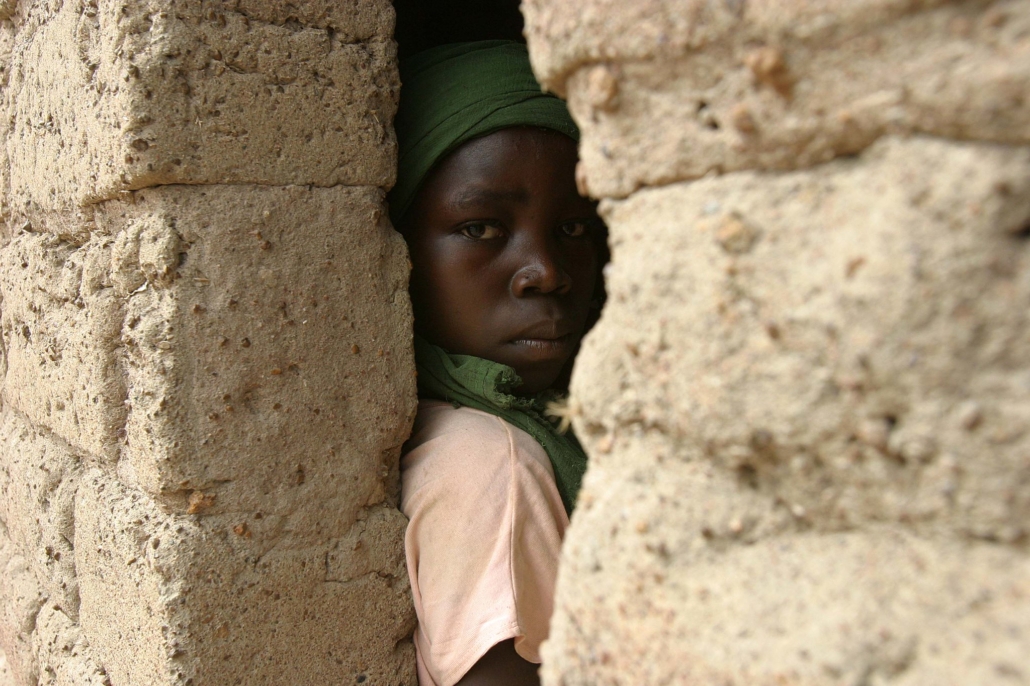
Child Soldiers in EthiopiaEthiopia’s long history of armed conflicts endangers the well-being of children, subjecting them to trauma and putting them at risk of recruitment for combat. Child soldiers in Ethiopia are continuously caught between the chaos of conflict and political instability. Their rights are violated as they find themselves susceptible to physical harm, sexual violence and abductions.
Conflict Background

The debris of the Tigray War, which ended in 2022, has brought a new internal conflict to the country. Ethnic relations and political tensions between Ethiopia’s Prime Minister Abiy Ahmed and the Tigrayan People’s Liberation Front (TPLF) caused the Tigray War to break out in 2020. The TPLF had previously been the leading force in control of the federal government, opposing Ahmed’s agenda. The Tigray War was notably characterized by ethnic violence and became of international concern.

During the war, the TPLF army used child soldiers in Ethiopia as a shield, positioning them on the front lines of the war zone. While the use of child soldiers is a violation of human rights and international law, the TPLF denies the proven accusations, stating that the children are only used to collect and gather weapons left behind.

After the war and under the premise of wanting to minimize crime based on ethnicity, the Ethiopian government began fighting militias and regional forces. This even included ones to which the government was an ally during the Tigray War, most notably the regional forces of Amhara. According to a 2022 Country Report on Human Rights Practices in Ethiopia published by the U.S. Department of State, both militias and the government are using child soldiers in Ethiopia in the current conflict. The Ethiopian government also denies the allegations.

Becoming Child Soldiers

Children become child soldiers for different reasons. Some are kidnapped; others are threatened or manipulated into joining. Armed forces favor kids for their physical endurance and because they raise fewer suspicions. However, some of them become soldiers as a way to escape poverty.

Child soldiers are not only those on the front lines; they are also used in war in any other capacity. This includes using children as cooks, spies or most recently suicide bombers. Girls who are recruited are subject to gender-specific vulnerabilities such as sexual assault, sex trafficking and unwanted pregnancies.

The Fight Against Child Soldiers

Child soldiers are victims who are forced onto battlefields and manipulated to stay. Many struggle to re-integrate into society when conflicts are over and face discrimination by their families and communities.

Organizations such as Children and Armed Conflict, part of the United Nations, focus on combating the recruitment of children for war. As stated on the site, “The African Charter on the Rights and Welfare of the Child outlaws child soldiering, and the Optional Protocol to the Convention on the Rights of the Child established 18 as the minimum age for children’s participation in hostilities.”

The campaign Children, Not Soldiers, launched in 2014, achieved a wide range of success in the fight against child soldiers. Despite ending only two years later, long-lasting actions were achieved, such as the end and prevention of child soldiers in the DRC and Sudan. While the campaign had a major impact in other African countries, Ethiopia did not become part of the campaign.

Ethiopia’s continuous state of conflict endangers children and perpetuates a cycle of child soldier recruitment. While the issue has drawn international attention, there is much more work required to end the phenomenon of child soldiers in Ethiopia.

– Paula Pujol-Gibson
Photo: Flickr

February 17, 2024
https://borgenproject.org/wp-content/uploads/borgen-project-logo.svg 0 0 Jennifer Philipp https://borgenproject.org/wp-content/uploads/borgen-project-logo.svg Jennifer Philipp2024-02-17 07:30:562024-02-16 23:27:30Child Soldiers in Ethiopia 
Child Soldiers, Global Poverty

Child Soldiers in the Central African Republic

Child Soldiers in the Central African RepublicIn June 2023, UNICEF reported that militant groups across the world recruited at least 105,000 children. The Central African Republic (CAR) constitutes a large portion of this statistic and has one of the highest numbers of child soldiers in the world.
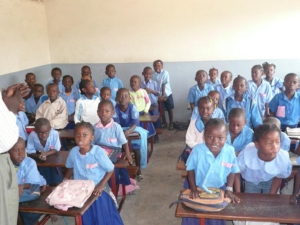
Years of armed conflict mean the political landscape of the CAR is highly unstable. Attempts to reduce political volatility including the 2019 peace agreement, have largely been unsuccessful. UNICEF considers the exploitation of children as soldiers, as one of the worst forms of child labor damaging a child both physically and detrimentally psychologically. Here are seven facts about child soldiers in the Central African Republic.

7 Facts About Child Soldiers in the CAR

  1. The Broadness of the Term ‘Child Soldier’ – A child soldier is anyone under the age of 18 who a militant group recruits and uses in any capacity. This encompasses exploitation as messengers, cooks, spies, guards, human shields, combatants and for sexual purposes. Child soldiers in the Central African Republic are not only those involved in direct fighting.
  2. Female Child Soldiers are Silent Victims of War – In 2023, the charity Theirworld estimated that 40% of child soldiers across the world are currently girls. Male combatants predominately use them as sex slaves and refer to them as ‘wives,’ resulting in the girls suffering greater gender-based violence. This is typically less reported and therefore statistics often exclude female child soldiers rendering them silent victims in conflict. In March 2023, the World Bank reported the CAR currently has one of the largest gender inequality gaps in the world ranking 188 out of 191. Greater emphasis on the empowerment of women is necessary to reduce violence against girls and increase awareness surrounding their use as child soldiers in the Central African Republic.
  3. Child soldiers Account for the Most Common Violation Against Children – The 2022 Human Rights Council reported 647 child victims of child rights violations in the CAR which included sexual violence, illegal imprisonment and the use of children in armed conflict. The latter violation was reported as the most frequent. In 2022, the UN reported this figure had decreased since 2021. However, to minimize this statistic, a greater emphasis on preventing the recruitment and subsequent exploitation of children as soldiers is necessary.
  4. The Release of Child Soldiers is Only Half the Battle – In 2022, the UN reported the successful release of 134 child soldiers in the CAR after discussions with militant groups. However, the removal of children from violent conflict does not equate to their immediate return to normalcy. Child soldiers are highly vulnerable to re-recruitment. Stigmatization of child soldiers in the Central African Republic may lead to their alienation from society as they are deemed dangerous and even made scapegoats. This also increases their chances of re-entering conflict and even remaining in it until they are adult soldiers.
  5. Reintegration is Possible Via Entire Community Efforts – Since 2014, the organization World Vision has been active across seven different locations throughout the country. It helps child soldiers by enhancing community relationships, offering protection from violence and improving nutrition and clean water availability. Crucially, it has created child protection programs that work comprehensively with community leaders, families, law enforcement and caregivers to create a safe space for those children associated with armed groups. By 2025, it predicts that it will have improved the well-being of 2.1 million vulnerable CAR children.
  6. Neighboring Conflict Leads to a Higher Risk of Greater Child Soldiers – The recent conflict in neighboring Sudan has led to approximately 14,000 Sudanese refugees and CAR repatriates into the northeast of the country. Rebel groups largely control this area and it is outside of government control. As the number of vulnerable children residing in militant areas increases so does the risk they face of recruitment and exploitation as child soldiers in the Central African Republic. However, in June 2023, the UN reported within the first weeks of conflict beginning in Sudan, they were able to preposition 155 tons of emergency cargo in the northeast of the CAR which has provided life-saving assistance.
  7. Prevention of Child Soldiers Possible Via Reducing Conflict – The CAR ranks as one of the poorest countries in the world with real GDP growth estimated at 0% in 2022. About 71% of the CAR live below the international poverty line. Conflict is highest among countries with the lowest per capita income and economic growth.

Looking Ahead

Where conflict and violence prevail, so too will the existence of child soldiers. Therefore, greater funding to improve the CAR economy including emphasis on employment, health care and education is vital. In 2021, the World Bank reported project PACAD, designed to support committees affected by all displacement had injected approximately $12,279,000 into the local economy.

While the number of child soldiers in the Central African Republic remains critical, investments and greater funding provide life-changing relief. Aid assists by advancing the economy, providing emergency health care relief, de-radicalization and reintegration programs as well as assisting in the prevention of conflict. In the CAR, as children’s chances of exploitation in armed conflict are high, funding can provide indelible change.

– Heidi Helen Horgan
Photo: Flickr

January 11, 2024
https://borgenproject.org/wp-content/uploads/borgen-project-logo.svg 0 0 Borgen Project https://borgenproject.org/wp-content/uploads/borgen-project-logo.svg Borgen Project2024-01-11 01:30:492024-01-07 12:29:05Child Soldiers in the Central African Republic
Child Soldiers, Global Poverty, United Nations

Child Soldiers in the Democratic Republic of the Congo

Child Soldiers in the Democratic Republic of the Congo
Belgium colonized the Democratic Republic of the Congo (DRC) for 80 years until the country was able to gain its rightful independence in 1960. Belgian rule allowed the use of torture in particular to political opponents, causing instability from the ground up that has stayed with the country even as it became a democratic nation. History has shown how difficult it is for countries to prosper once colonized and the Congo is unfortunately no different. Both internal struggles for power and outside conflicts have hindered the country for decades, and the most vulnerable group is feeling it the worst — children. Child Soldiers in the Democratic Republic of the Congo are nothing new, but the country is actively working to change that. One of the largest hurdles facing this issue is the extreme level of poverty in the country, where nearly 80% of citizens survive on less than $2 per day.

Congolese Politics

The DRC has had many instances of political violence, but the 1990s were a turning point. After seizing power in 1965, President Mobutu took control and ruled until he was overthrown in 1997. Former President Laurent Kabila took control and suspended the democratic process before he himself was assassinated a few years later. It was not until 2006 that democratic policies were reinstituted, but the internal conflicts of the past still remain today, including ethnic nationalism and tribalism throughout the region. The DRC is one of the poorest countries in the world. This poverty and constant internal conflict for power leave so many displaced, opening the door for child soldiers to be recruited and taken advantage of. With consistent instability, often the most at-risk groups feel the weight of the tension the most.

Child Soldiers

 Children as young as 6 find themselves routinely recruited to join militia groups, though the most common ages range from 8-16. There are varying positions they are forced to work including spies and messengers. Other child soldiers in the DRC find themselves fighting on the front lines for differing warlords.

 The UN has found militias operating in the DRC have a “staggeringly high number of violations against children.” They prey on children using patriotism as motivation or by taking advantage of the extreme level of poverty in the country. Government forces, who once also implemented child soldiers, have to shoulder some of the blame, as attacks on schools and hospitals have risen as well.

The U.S. Department of State provides a report to explain and understand how child soldiers are being implemented in the DRC while also showing the best estimation of child soldier numbers. The Trafficking in Persons (TIP) report lists the DRC as a Tier 2 country on a 3-tier system. Tier 2 countries are those that have not eliminated trafficking but are making “significant efforts” to do so.

Solutions and Progress

The United States passed a law in 2008 that allows for the withholding of military aid to governments that use children in their armed forces, called the Child Soldiers Prevention Act. At the time, the Congolese government was still using child soldiers, but this act directly changed that. After its passing, the DRC signed a U.N. action plan that made certain guarantees leading to the end of its recruitment and use of child soldiers. Further penalties stem from TIP if a country is listed on Tier 3, which opens the door for U.S. sanctions.

The government of the DRC has taken further action against militia groups that are still involved by showing an increase in trafficking probes and prosecutions once caught. They have also removed children from these armed groups while agreeing with militia commanders on ending child recruitment, getting some to even renounce the practice altogether. That is quite an improvement in a country where this has taken place for decades.

 NGOs are operating in the country, including Mercy Corps, which is finding ways to help the government economically that in turn, help the citizens of the DRC. Mercy Corps is addressing basic needs by piping in clean water and building wash stations. It has also proposed strategies that are designed to tackle poverty by repairing economic relations with other African countries that are facing the same violence. Another path is using the Congo’s massive amount of natural resources, both diamonds and gold and refining them at home. 

There are still thousands of child soldiers in the Democratic Republic of the Congo being used as spies and messengers. There are programs being implemented to bring change in this area, by both the Congolese government and outside NGOs. Further outside help is being provided by foreign countries that have incentive programs to counteract child soldier use. The number of child soldiers is down, but without continued help to alleviate a major cause, extreme poverty, the threat of being forced to fight in armed conflicts will remain. 

– Benett Crim
Photo: Wikimedia Commons

October 7, 2023
https://borgenproject.org/wp-content/uploads/borgen-project-logo.svg 0 0 Yuki https://borgenproject.org/wp-content/uploads/borgen-project-logo.svg Yuki2023-10-07 07:30:432023-10-09 05:09:16Child Soldiers in the Democratic Republic of the Congo
Child Soldiers

Child Soldiers in Burundi 

Child Soldiers in BurundiThere is a widespread issue of child soldiers in Burundi. It is not uncommon for armed militias in conflict zones to recruit children without proper training and send them to the front lines, often using them as mere cannon fodder.  

Burundi, a small nation bordered by Rwanda to the north and Tanzania to the east, still bears the scars of a 12-year civil war that began in 1993 and ended in 2005. Even almost 20 years later, it is still one of the poorest nations on the planet, with thousands of children becoming soldiers during the conflict.

Child soldiers in Burundi were recruited by armed groups for various roles, not just as frontline fighters. They had no say in the matter, as the groups forced them to perform tasks ranging from cooking to guarding. Additionally, girls were often coerced into sexual acts and arranged marriages with older men.

Civil War

The Burundian Civil War took the lives of more than 300,000 people and left more than one million more displaced. The conflict was a result of the long-term tensions and unrest between the majority Hutu and minority Tutsi ethnic populations. Burundi’s first Hutu President got elected in 1993 and was later assassinated by the Tutsi army. This act of murder of a Hutu-born president caused the nation to plunge into a state of mass genocide.

Many families had their children forcibly taken; some children got kidnapped at school while those in refugee camps volunteered to join the militias, hoping to find a better life.

The growing poverty rates pushed some children into the military as they sought the financial means to send money back home to their loved ones. Many of these children later discovered that there would be no wages for them, with only 6% of child soldiers in Burundi receiving any form of payment for their service(s). Following their subjection to inhumane abuse and acts of atrocities, many of them live on to experience the pain for several years.

Due to the corrupt and secretive nature of recruiting children as soldiers, official figures are difficult to determine. There are no accurate estimates of how many child soldiers in Burundi lost their lives in action.

Demobilization and Reintegration

While it remains a fact that society’s most vulnerable citizens play roles in a war they do not understand, a number of poverty-reduction and reintegration programs are working toward bringing about positive change. These programs focus on demobilizing former child soldiers in Burundi and providing them with the support and rehabilitation necessary to get back into society.

In 2000, most active groups in the conflict signed the Arusha Peace and Reconciliation Agreement in a partnership that set the foundations for ending the civil war. Nelson Mandela, the former President of South Africa oversaw the agreement.

The United Nations International Children’s Emergency Fund (UNICEF) created a framework in 2001 to develop a demobilization action plan, which the Burundi Government signed. The goal of the plan was to reintegrate a total of 5,500 child soldiers back into their communities through financial aid, mental health support and medical support.

Amnesty International emphasized that plans and programs must prioritize providing support to sexual violence survivors, with additional assistance to pregnant women and nursing mothers.

Throughout the war, Amnesty International documented acts of human rights violation to inform the global community. These reports exerted pressure on both the Burundi Government and armed militias to prioritize the well-being of civilians during future negotiations.

UNICEF’s project failed to include most child soldiers once they turned 18, underscoring the importance of efforts from other charities in preventing re-recruitment. World Vision (WV) prioritizes preventing recruitment through educational programs that aim to empower and protect young people. Providing financial support to families is also crucial in reducing the temptation of bribery from militant groups. WV continues to support reintegration by collaborating with small local organizations.

War Child’s Efforts

War Child collaborates with former child soldiers to establish “safe spaces” where they can meet and attend classes to further their education. Those aged 18 or older are offered employment opportunities and mentoring to supplement their vocational training.

Since its establishment in Burundi in 2011, War Child has witnessed the likelihood of further violence, as seen in 2016. The organization utilizes its platform to focus on prevention, leading the Economic Empowerment of Youth Toward Peacebuilding and Crisis Prevention project. The project examines why children feel compelled to join militias while identifying community actions that can provide protection.

Hope for Better Days

While child exploitation persists in Burundi, ongoing efforts from both local and international organizations to create a safer, more enabling environment for children in the country have resulted in some progress. The hope is for every child in Burundi to have the assurance of fundamental human rights and remain protected from the terror that comes in times of conflict.

– Yasmin Hailes
Photo: Flickr

May 3, 2023
https://borgenproject.org/wp-content/uploads/borgen-project-logo.svg 0 0 Jennifer Philipp https://borgenproject.org/wp-content/uploads/borgen-project-logo.svg Jennifer Philipp2023-05-03 01:30:222023-05-03 10:51:27Child Soldiers in Burundi 
Child Soldiers, Global Poverty

Child Soldiers in South Sudan

Child Soldiers in South Sudan
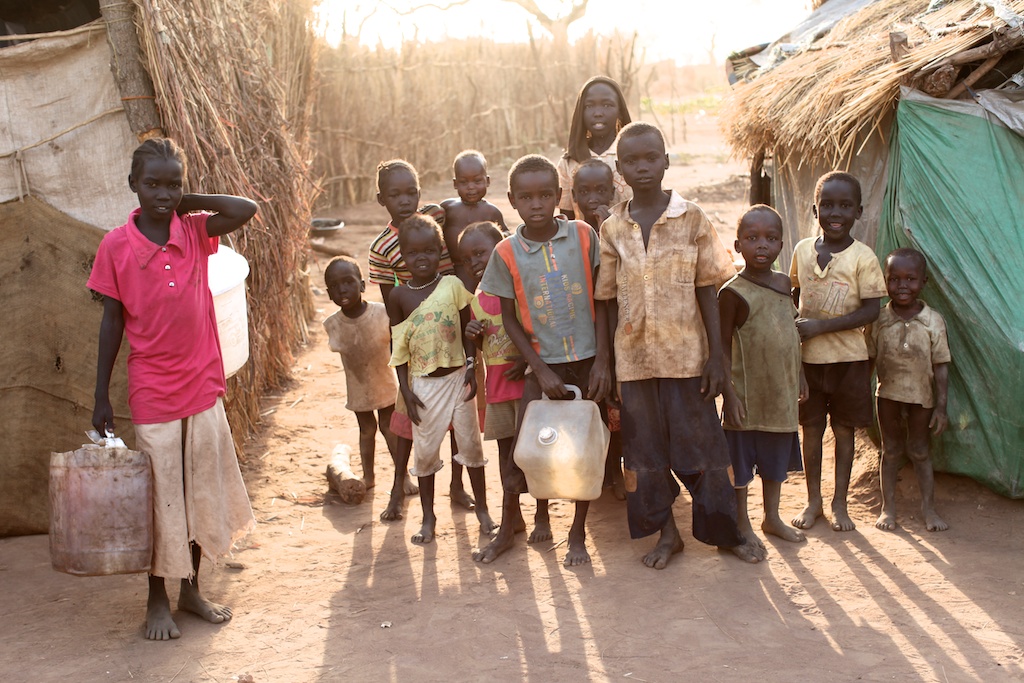
South Sudan has one of the “youngest populations in the world, with more than 70% under the age of 30.” The U.N. included South Sudan in its shame list; a list of nations responsible for abuses against children during armed conflict. Following independence in 2011, the region has suffered “subnational violence,” which has led to the recruitment and exploitation of child soldiers in South Sudan.

Child soldiers are those under the age of 18 who join armed militias and are used in combat as fighters, spies and suicide bombers. Some become cooks and messengers and often enter into child marriage. Nations all over the world continue to use child soldiers recruited by both armed forces and groups beyond government control. Due to reduced regulation, non-state forces recruit more child soldiers, which makes the issue more difficult to challenge. These groups often recruit children by force, either through abduction or coercion or lure them with financial or drug-related assurances. However, some also join voluntarily, arguably with little comprehension of what participation will involve.

South Sudanese Independence and Civil War

In 2011, South Sudan became an independent state. In 2013, the country entered a civil war after rising political power struggles resulted in a war between the forces of President Salva Kiir, the armed opposition Sudan People’s Liberation Army and other smaller armed groups. The violence became worse once leaders began to supply communities with weapons. The South Sudanese conflict, combined with mistrust of government spending and corruption, caused international aid to dry up, which was particularly consequential for a country that relied so heavily on it.

Overall, civil war has had dire humanitarian consequences, with the U.N. declaring hunger and famine to be the worst since the country gained independence. Civilians, especially women and children, continue to suffer at the hands of armed groups and security forces.

Child Soldiers in South Sudan

South Sudan has notoriously used child soldiers in conflict. The precise number is difficult to determine due to the unregulated nature of the crime. UNICEF reported that out of the formally released recruited children in the Western Equatoria state of South Sudan, individuals younger than 15 accounted for 28% of this group. In South Sudan, armed forces recruit more boys than girls. According to Theirworld, children are susceptible to recruitment as child soldiers, when suffering from poverty, displacement or familial separation, which due to the civil war, are all conditions existent in South Sudan.

Looking to the Future

UNICEF plays a vital part in addressing the violations against children in South Sudan. This process involves the release and reintegration of each child and is essential to preventing the normalization of child soldiers. Through the signing and ratification of numerous legal frameworks, such as the Convention of the Rights of the Child and the South Sudan Child Act, the South Sudanese Government has committed to no longer using children in conflict. Since 2015, UNICEF has facilitated the release of 3,677 child soldiers in South Sudan. But, this is not possible without funding as the reintegration program that UNICEF provides costs $2,000 per child.

The family tracing and reunification teams at Save the Children are also instrumental in reuniting former child soldiers with their families. The organization works with local leaders, teachers and police to create “safe spaces” for the protection of child refugees and children who have experienced displacement following the war.

Because more than one in five children in South Sudan suffers from malnourishment, Save the Children trains health workers to address this and runs centers to distribute free medical care specifically tackling this issue. For many former child soldiers in South Sudan, who often miss out on education, it can be difficult to make a living, which is why Save the Children teaches young people vocational skills.

Looking toward the future, South Sudan is taking the steps to stop the use of child soldiers within the country and UNICEF and Save the Children play pivotal roles in this.

– Bethan Marsden
Photo: Flickr

March 24, 2023
https://borgenproject.org/wp-content/uploads/borgen-project-logo.svg 0 0 Kim Thelwell https://borgenproject.org/wp-content/uploads/borgen-project-logo.svg Kim Thelwell2023-03-24 01:30:442023-03-23 00:56:14Child Soldiers in South Sudan
Child Soldiers, Global Poverty

Rescuing Child Soldiers in Sri Lanka

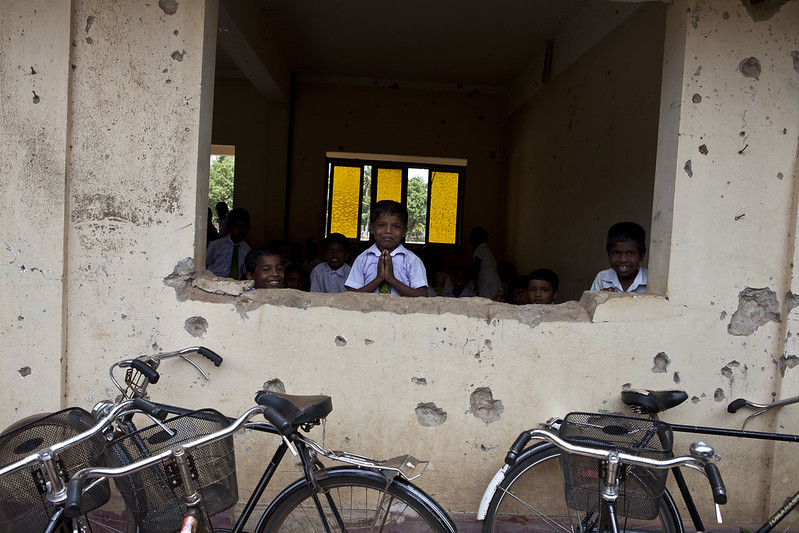
Child Soldiers in Sri Lanka
Mohan Peiris, the Permanent Representative of Sri Lanka to the U.N. said, “Sri Lanka had a success story to tell the world – unfortunately, this is now a forgotten story.” The news that ought to be extensively disseminated to the general public is the successful rehabilitation of all 594 child soldiers in Sri Lanka that the LTTE recruited without prosecution, with priority given to their investigations and swift resolution of their cases. Lamentably, misinformation that the remnant elements of this group of non-State actors propagated hounded the diffusion of this news.

The Way Children Become Soldiers for the LTTE

A documentary by The Social Architects South Asia features interviews with former child soldiers in Sri Lanka, who talked about the myriad motives for their engagement with the militant organization.

Due to the sexual violence –sex slavery and mass rape– that the Sinhalese Sri Lankan government forces committed against Tamil females, a significant fraction of the girls in the LTTE, where men and women were considered equal and held the same right to identify as combatants, as a ray of hope and a promise for change, for which they joined the organization.

While this pattern became increasingly famous as the sexual violence peaked in 2009, the atrocity persisted post-war. The LTTE grants women the title of “Birds of Freedom.” Though this can appear rather voluntary, the law forbids a child from willingly enlisting in the LTTE armed force. Thus, every form of recruiting counts as abduction.

Next, the LTTE will either torture or kill families, who object to the admission of their children into the Baby Brigade of the LTTE or make them pay the price in cash or gold. In order to save their children, many affluent and educated families fled to North America, Europe and India.

Poor families oftentimes originating from the lower caste had little choice but to surrender their children, who would then be the front-line attackers. On account of their refusal to join the LTTE, the group abducted many children, the documentary reported.

Action Plan on Children Affected by War

In June 2003, the LTTE and the Sri Lankan government, together with the United Nations Agencies and the Tamil Rehabilitation Organization, agreed to the formal Action Plan on Children Affected by War with the aim of stopping the recruitment of minors and releasing any remaining juveniles to their families or new transit camps. However, despite the agreement, the LTTE had recruited more than twice as many children as it released. The LTTE deliberately started its re-recruitment of child soldiers in mid-2004 under the pretext of guarding them against external danger.

UNICEF planned a public awareness campaign on children’s rights as part of the Action Plan for Children in conjunction with the National Child Protection Authority to express objection to child recruitment. UNICEF then put the mass media campaign on hold indefinitely in January 2004 because the LTTE did not agree with the core messages.

In March 2006, the LTTE highlighted that the topic of child recruiting does not belong within the purview of the CFA and should not be on the discussion table at the next round of negotiations during a meeting with the Norwegian ambassador Hans Bratskar in preparation for negotiations in April 2006, according to SCOPP report.

According to Bratskar, the history of the six rounds of negotiations shows an acknowledgment that child recruiting should stop and that continuing recruitment was very detrimental to LTTE’s reputation internationally. The LTTE refused to attend the April negotiations as a result of this conversation.

The Bring Back the Child Campaign

In February 2009, the Srilankan government and UNICEF launched a “Bring Back the Child” campaign. The government troops defeated the LTTE in May 2009.

In October 2009, officials from the Military of Defense reported that a leading school in the capital Colombo welcomed 144 former child soldiers in Sri Lanka, who had received rehabilitation in the north under the first stage of the rehabilitation program.

Sri Lanka rehabilitated all 594 child soldiers in February 2021 under LTTE recruitment without prosecuting them, according to The Morning. Exposure to violent conflict and the death of loved ones can result in trauma and other psychological repercussions that have an impact on a child’s development and education. They received national identification cards, which made them feel like they belonged. With the aid of rehabilitation programs, they went back to their families. Today, the majority of child soldiers in Sri Lanka finish high school or get a job-related education.

Despite the amazing progress of the Sri Lankan government in putting an end to the problem of child soldiers, escaping the vicious cycle of violence while dealing with a series of cognitive and behavioral problems as a result of past traumas requires prolonged care, welfare, psychotherapy, appropriate monitoring and social support. It is essential that people discuss the institutional and societal prejudice that former child soldiers experience today as well as how to prevent the recruitment of child soldiers altogether.

– Karisma Maran
Photo: Flickr

October 12, 2022
https://borgenproject.org/wp-content/uploads/borgen-project-logo.svg 0 0 Jennifer Philipp https://borgenproject.org/wp-content/uploads/borgen-project-logo.svg Jennifer Philipp2022-10-12 01:30:122024-12-13 18:02:46Rescuing Child Soldiers in Sri Lanka
Child Soldiers, Children, Global Poverty

Child Soldiers in Afghanistan

Child Soldiers in Afghanistan
Since the Taliban overthrew the Afghani central government in 2021, the nation has experienced increased human rights violations such as the recruitment and use of child soldiers in Afghanistan.

Rise of the Taliban

The Taliban, meaning “students” in Pashto, is a conservative political-religious movement founded during the 90s amid the Afghan War which lasted from 1978-1992. The group originated as a modest band of religious scholars and students whose aim was to fight crime and corruption in Afghanistan. After deposing the Soviet-sponsored government, the group went on to establish the Islamic Emirate of Afghanistan and institute rigid Islamic law significantly impacting women’s livelihoods, religious minorities and political opponents.

Current Humanitarian Crisis in Afghanistan

On August 15, 2021, the Taliban launched its campaign to take over Afghanistan’s capital, Kabul. Soon after the initial assault on September 7, 2021, the Islamic fundamentalist group declared itself as the interim government without communicating its plans for establishing a new central government. Since the hostile takeover, the U.N. has observed growing human rights violations, including forceful censorship of journalists and protestors, regression of women’s rights, worsening socio-economic conditions, an increase in child marriage and the recruitment of child soldiers.

Child Soldiers

The U.S. Department of State’s Trafficking in Persons (TIP) Report identifies a state’s ability to combat human trafficking and assess the implementation of child soldiers. The Department of State reported Afghanistan as a “Tier 3” country, indicating failure to report cases of trafficking and a lack of serious reduction efforts.

The use of child soldiers in Afghanistan is not a new phenomenon. Before the insurgency, the Afghan government made an effort to address the symptoms of trafficking by developing awareness programs to prepare officials to respond to such cases. Through government-sanctioned Child Protection Units (CPUs), between April 2020 and March 2021, Afghani authorities thwarted the recruitment of more than 5,000 children into armed government groups and programs and identified 20 within the military.

However, the effects of the Taliban’s takeover and the COVID-19 pandemic have hindered the state’s capacity to protect, maintain or counter threats to civil liberties, including the use of children in the militia. Before and after the insurgency of August 15, 2021, the Taliban continued to illicitly use child soldiers in combative roles such as planting and setting off IEDs, carrying out suicide attacks, transporting weapons, standing guard and spying. The Taliban has ceased to investigate, prosecute or prevent cases of trafficking or recruiting. The Insurgent forces continue to eliminate shelters and protective services for victims, resulting in a more vulnerable population.

Without a centralized infrastructure or agency to provide services, Afghan children are more susceptible to recruitment and trafficking. The Taliban has made NGOs operating within Afghanistan useless as the group has imposed crippling restrictions on humanitarian aid, ransacked the few remaining shelters and threatened humanitarian staff. The Taliban has recruited children in Afghanistan from madrassas or religious schools. The children are indoctrinated and prepared to fight in exchange for protection. Moreover, the Taliban also targets children from Afghanistan’s more impoverished rural regions, exemplifying the role of poverty in the assimilation of children into the armed forces. Young boys living in dire economic circumstances see fighting as a means to a better life. Unfortunately, this is seldom the case.

The Road Ahead

It has been a year since the collapse of the central Afghan government, and conditions within the state remain concerning. Without proper protective and preventive services, children and women and girls remain Afghanistan’s most vulnerable. The U.N. has documented hundreds of human rights violations against children along with increased attacks on schools, hospitals and humanitarian shelters. The Taliban’s presence continues to exacerbate Afghanistan’s worsening socio-economic systems, poverty and food insecurity, thus, increasing the presence of child soldiers among their ranks.

The Taliban’s continued presence in Afghanistan and the lingering effects of the COVID-19 pandemic remain the biggest threat to the well-being of Afghan citizens. Thousands of children stay within the Taliban’s ranks serving in dangerous combative roles. With the U.N. and NGOs calling for urgent humanitarian aid, hope remains for a decrease in the number of children becoming child soldiers in Afghanistan.

– Ricardo Silva
Photo: Flickr

September 26, 2022
https://borgenproject.org/wp-content/uploads/borgen-project-logo.svg 0 0 Naida Jahic https://borgenproject.org/wp-content/uploads/borgen-project-logo.svg Naida Jahic2022-09-26 07:30:172022-09-23 06:12:16Child Soldiers in Afghanistan
Child Poverty, Child Soldiers, Global Poverty

The Struggle of Child Soldiers in Colombia

Child Soldiers in Colombia
Child involvement in armed conflict is a harsh reality, although the media often considers it a niche phenomenon with respect to many other international matters. According to estimates, the number of children soldiers around the world today amounts to more than 300,000, but this is only a statistical number. Africa, the Middle East, Asia and Latin America are areas where there is the greatest use of minors in war contexts. The prevalence of child soldiers in Colombia is an issue that requires significant attention.

Child soldiers are often in areas that have very unstable governments and prevalent rebel organizations. Additionally, these areas often implement military investments aimed at maintaining stability at the expense of economic development plans, subsequently leading to other countries cutting them out of international trades. Meanwhile, these governments are frequently unable to deliver even the most essential services resulting in inadequate or absent health care systems, very high levels of unemployment and the lack of education systems. Colombia is no different with a prevalence of unrest and child soldiers.

The Beginning of Child Warfare in Colombia

The Republic of Colombia stands out in this context not only for having the world’s highest crime levels but also for the increasing rate of children involved in military actions. Guerrilla and paramilitary groups in addition to government armed forces, forcibly recruit children of every age, many as young as 8 years old. Statistics estimate there are up to 14,000 child soldiers now fighting in opposition groups in Colombia; although, it is a practice that has been going on for more than 60 years.

The preferred targets for recruitment are inevitably young people from the poorest neighborhoods of large cities or the more desperate rural areas as they do not have access to basic education and vocational training, and are therefore without many prospects. Furthermore, the recruitment takes place with false promises, but more often through coercion, under the threat of violence to these children and their families. Unfortunately, joining those corps does not represent an escape to the threats for those children that, with little to no training, must act as front liner shields, conduct executions, participate in suicide missions or make and transport explosives. In this context, the gender difference is a thin line and the differences in roles between males and females become smaller and smaller as the age of recruitment falls.

According to estimates, female child soldiers make up 40% of the total of child soldiers globally and it seems that militias reserve the hardest tasks for them. Not only do female child soldiers across the world carry out the tasks reserved for boys but many also end up as porters, spies, medical aides and even child brides and sex slaves.

Cause of Child Soldiers

To understand the causes of child soldiers in Colombia, it is necessary to frame the country’s political background. Colombia’s troubled political past dates to 1948 when the murder of liberal leader Jorge Eliécer Gaitán caused a war between liberals and conservatives. More than a decade of growing instability led to the establishment of the Revolutionary Armed Forces of Colombia (FARC) and the National Liberation Army (ELN). Those paramilitary groups later converged in the Autodefensas Unidas de Colombia (AUC) and continued the fights for 20 more years, wreaking havoc and death in the country and kidnapping political leaders. It is among these paramilitary groups that the practice of child exploitation for various purposes began. In conclusion, on June 23, 2016, FARC and the government signed a ceasefire showing commitment to building a better future for Colombia.

Five years later, however, political stability still seems far away, and with it, the tragedy of boys and girls used and abused. In November 2019, the Colombian government enforced a national action plan along with other accountability measures like Case No. 07 of the Special Jurisdiction for Peace aimed to prevent recruitment and sexual violence against children in the country. Despite these measures, according to the latest Annual Report of the Secretary-General on Children and Armed Conflict, paramilitary groups like FARC continue to forcibly recruit younger boys into their militias without punishment.

Combating the Problem

Luckily, especially in the last decades and thanks to the mobilization of the Colombian government, many nonprofit organizations directly support the cause against child soldiers in Colombia and multiple other poor countries. The way they are doing this is by not only granting populations access to essential services but also by building playgrounds and schools and promoting access to work. One organization that is helping children is Misiones Salesians, which began in Madrid in the 1970s and has reached 130 countries today. It provides international aid to promote the economic and social progress of various countries, thus contributing to eradicating the root causes at the base of child exploitation. Furthermore, Missioni Don Bosco Onlus, which began in Turin in 1991 and is a continuation of the pioneering work of the Italian humanitarian, has created 4,469 schools and professional training centers to help approximately 1,140,000 boys around the world.

To bring an end to children in warfare, the Colombian government must continue to define ever more stringent policies and accountability measures aimed to discourage the recruitment of child soldiers. In addition, on an international level, it is necessary for governments to collectively establish and impose sanctions against those who refuse to ratify the relevant international agreements and commit such crimes. In a time when governments around the world seem to be coming to terms with the reality of facts on several matters, it remains crucial not to forget the capital importance of foreign aid plans from developed countries in support of those causes that may not have a direct or immediate return on their economy or society, but that represents a considerable opportunity for collective progress.

– Francesco Gozzo
Photo: Flickr

February 5, 2022
https://borgenproject.org/wp-content/uploads/borgen-project-logo.svg 0 0 Jennifer Philipp https://borgenproject.org/wp-content/uploads/borgen-project-logo.svg Jennifer Philipp2022-02-05 07:30:262024-05-30 22:25:41The Struggle of Child Soldiers in Colombia
Child Labor, Child Poverty, Child Soldiers, Children, Global Poverty

Reducing Numbers of Child Soldiers in Syria

Child Soldiers in Syria
In June 2021, the United Nations released its yearly 2020 report on children in armed conflict, confirming the ongoing recruitment of children by various Syrian militant groups. These groups include the Syrian National Army, the Syrian Democratic Forces, Hay’at Tahrir al-Sham and other Syrian armed opposition groups. By June 2021, militant groups recruited almost 840 children to work as child soldiers in Syria, among other roles, meaning child soldier numbers will likely increase by the end of the year.

Child Soldiers in Syria

With conflict raging since 2011, these groups turn to child populations to manage their shortage of combatants. By exploiting children in impoverished communities, groups use adults and other child victims to coerce and manipulate children into joining the armed forces. The child soldiers in Syria become spies, combatants and checkpoint guards, among other roles, enduring sexual exploitation and harsh military punishments. By using children as combatants, these groups continue to violate international laws with few repercussions.

Syrian Democratic Forces

The Syrian Democratic Forces (SDF) has a long history as a critical perpetrator of recruiting child soldiers in Syria. In 2019, the SDF signed a United Nations Action Plan intending to prevent the use of child soldiers, making it appear as though the SDF was attempting to adhere to international law. Under this plan, anyone younger than the age of 18 would be unable to join the SDF.

However, the Syrian Justice and Accountability Center reported that the SDF continues to recruit young boys and girls, some as young as age 11. Additionally, a U.N. report in April 2021 explains that the SDF and its branches are responsible for about 35% of confirmed child recruitments in Northern Syria.

Due to the United Nations Action Plan and international pressure, the SDF is increasingly reuniting recruited children with their families, but only after those specific families put constant pressure on the SDF. Since the creation of the SDF’s Child Protection Office, families have complained about the issue of child soldier recruitment 150 times. However, as of March 2021, the SDF has only demobilized 50 children. In December 2020, the SDF held a press conference, reuniting 16-year-old S. Jam Harran and 15-year-old G. Muhyiddin with their families.

Law No. 21 – Child Rights Law

On Aug. 15, 2021, Syrian President Bashar al-Assad presented Law No. 21 to regulate child rights and welfare throughout the country. The law prohibits the practice of trafficking children, including the use of child soldiers in Syria. The government will take action in response to reports of such practices but does not mention specifics in this regard. While this legislation seems like a significant step in the right direction, many groups, such as the Syrian Accountability and Justice Center, are skeptical about the law’s true ability to end the militant groups’ use of child soldiers. This is due to the existence of a vast number of groups that recruit children, including the Syrian government.

Addressing the Issue of Child Soldiers

Despite the skeptics, the new Syrian legislation on child rights and welfare is a promising step for children throughout the country. Enforcing these new laws nationally will take time, but various groups are working to alleviate the current child soldier situation until then.

UNICEF is responsible for aiding more than 8,700 children following their release from armed forces globally through counseling, education, medical services and safe living arrangements. These rehabilitation and poverty-fighting efforts allow for proper healing from trauma, allowing these children to become functioning members of society. Additionally, UNICEF specifically aids Syrian children, thus impacting communities directly by assisting in medical care, education and improving living situations.

In reducing the number of child soldiers in Syria, the investment by wealthy nations through humanitarian aid may be the most powerful tool as those countries could positively influence local dynamics by helping to lift populations out of extreme poverty. Armed groups have a more difficult time recruiting educated children from stable environments. Nonprofits like Save the Children work to aid impoverished child populations. Save the Children establishes programs and services for families to develop economic stability, preventing child exploitation by increasing the standard of living.

Because children are one of the most at-risk populations, militant groups often use them to sustain extreme military operations through indoctrination and community approval. With emerging Syrian legislation and organizations tackling the issue of child soldiers in Syria, the future of Syrian child welfare could be moving in a positive direction. These efforts combined with international advocacy and education on the issue of child use by armed forces could significantly change the lives of children in Syria.

– Hannah Eliason
Photo: Unsplash

November 29, 2021
https://borgenproject.org/wp-content/uploads/borgen-project-logo.svg 0 0 Jennifer Philipp https://borgenproject.org/wp-content/uploads/borgen-project-logo.svg Jennifer Philipp2021-11-29 07:30:382024-05-30 22:25:30Reducing Numbers of Child Soldiers in Syria
Page 2 of 3123

Get Smarter

  • Global Poverty 101
  • Global Poverty… The Good News
  • Global Poverty & U.S. Jobs
  • Global Poverty and National Security
  • Innovative Solutions to Poverty
  • Global Poverty & Aid FAQ’s
Search Search

Take Action

  • Call Congress
  • Email Congress
  • Donate
  • 30 Ways to Help
  • Volunteer Ops
  • Internships
  • Courses & Certificates
  • The Podcast
Borgen Project

“The Borgen Project is an incredible nonprofit organization that is addressing poverty and hunger and working towards ending them.”

-The Huffington Post

Inside The Borgen Project

  • Contact
  • About
  • Financials
  • President
  • Board of Directors
  • Board of Advisors

International Links

  • UK Email Parliament
  • UK Donate
  • Canada Email Parliament

Get Smarter

  • Global Poverty 101
  • Global Poverty… The Good News
  • Global Poverty & U.S. Jobs
  • Global Poverty and National Security
  • Innovative Solutions to Poverty
  • Global Poverty & Aid FAQ’s

Ways to Help

  • Call Congress
  • Email Congress
  • Donate
  • 30 Ways to Help
  • Volunteer Ops
  • Internships
  • Courses & Certificates
  • The Podcast
Scroll to top Scroll to top Scroll to top