Effective Charities Reducing Poverty
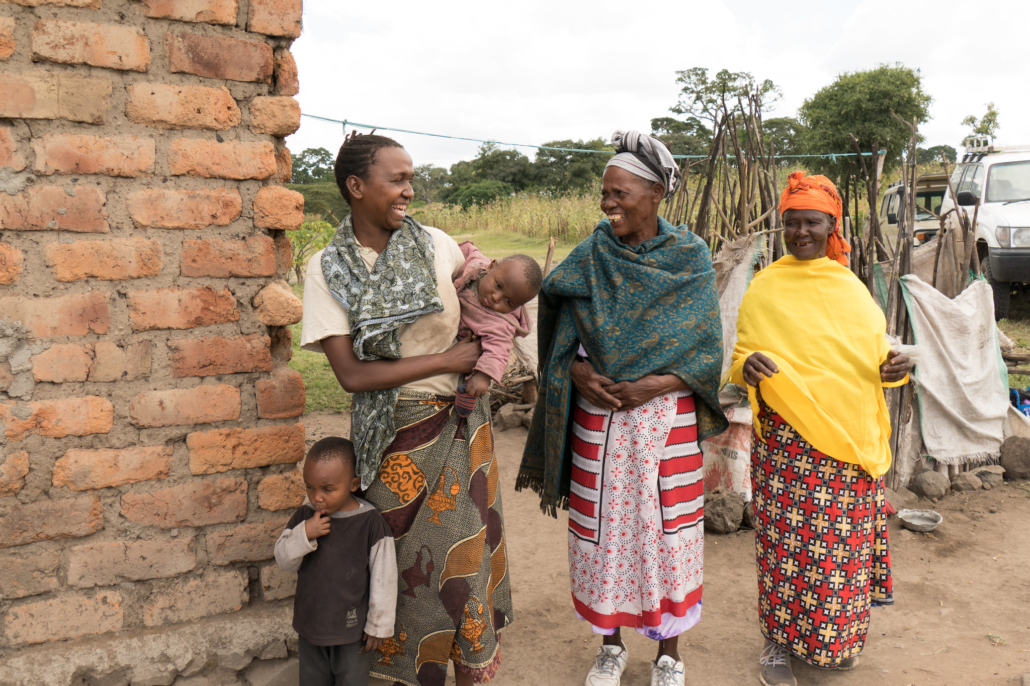
One of the most straightforward methods to combat extreme poverty is contributing to charities dedicated to this cause. However, the positive impact a donation can have varies between different organizations. Despite this, only 38% of U.S. donors research where their money is going. Fortunately, websites such as TheLifeYouCanSave and GiveWell provide valuable data to help individuals identify effective charities that reduce poverty globally. Here are three charities reducing poverty. They are different, yet highly cost-effective and impactful, organizations worthy of support.
Effective Charities Reducing Poverty
- GiveDirectly: A new and radical way of helping those most in need is through transfers of no-strings-attached cash. This concept has received wide criticism — consider the aphorism, “Give a man a fish and you feed him for the day; teach a man to fish, and you will feed him for a lifetime.” However, Michael Faye, executive chairman and co-founder of GiveDirectly argues, “There is some visceral discomfort with simply giving poor people money. But the evidence, overwhelmingly, is that cash is one of the most effective ways of alleviating poverty.” Using the gold-standard evidence of a randomized controlled trial (RCT), GiveDirectly claims its impact per $1,000 increases earnings by $270, assets by $430 and spending on nutrition by $330, with no effect on alcohol or tobacco spending, clearly demonstrating the effectiveness of their method. One research study conducted in Siaya County, Kenya, found the economic impact of a $1,000 transfer to be roughly $2,500 after 27 months. Not only did the economic benefit more than double, but psychological well-being, food security and education all improved too. Although there could be a risk of inflation, in Siaya where over 15% of local GDP was delivered in cash transfers, prices hardly increased — only rising 0.1%. Another study evaluating $1,000 cash transfers to coffee-farming communities in Uganda also found consumption, earnings and food security all improved for those in coffee farmer households as well as those not. GiveDirectly proves that cash transfers can have a huge impact on poverty-stricken communities as they reduce child labor (without reducing adult labor), increase school attendance, and provide economic autonomy and greater diversity in diet. It might be time to trust that those most in need know what they need and are capable of building a future for themselves.
- Malaria Consortium & The Against Malaria Foundation: Malaria is one of the leading causes of death in low-income countries, killing more than 600,000 people annually, most of whom are children under 5 years old in sub-Saharan Africa. One of the most effective ways of combating malaria is through seasonal malaria chemoprevention, a preventative medicine. In the Sahel region of Africa, which experiences notably high malaria rates, the Malaria Consortium leads the implementation of the Seasonal Malaria Chemoprevention program. This program involves administering monthly doses of antimalarial drugs to children during the four months when malaria season is at its peak. According to the World Health Organization (WHO), Seasonal Malaria Chemoprevention has demonstrated its effectiveness in reducing the prevalence of malaria attacks and severe cases by approximately 75%, potentially preventing millions of cases and thousands of child deaths. The estimated cost of providing this treatment during the high-risk rainy season is remarkably low, at around $3.40 per child. Another method for malaria prevention is the distribution of bed nets along with education on how to use them. The Against Malaria Foundation (AMF) excels in efficiently distributing bed nets while conducting follow-up audits to ensure the distributed nets are in use and being used correctly. Each bed net from the AMF costs just $2 and can protect two individuals for up to three years. Thanks to sponsor support for additional costs, the AMF is able to allocate 100% of public donations toward the purchase of bed nets.
- Helen Keller International: Malnutrition is another main focus for organizations dedicated to eradicating poverty, as every 11 seconds a child dies of malnutrition. According to the WHO, inadequate consumption of micronutrients (vitamins and minerals) is a form of malnutrition — micronutrients help produce the necessary enzymes and hormones for growth and development. Deficiencies in iron and vitamin A threaten the development and health, especially of pregnant women and children, in low-income countries. More than 200,000 children die every year from vitamin A deficiencies, as they are left vulnerable to deadly infections. Helen Keller International is an effective organization supporting door-to-door campaigns where health workers administer vitamin A supplements to preschool children at their homes and fixed-site campaigns where caregivers travel to health facilities with preschool-aged children to receive the supplements. It is an extremely cost-effective method as it costs only $1.00 to deliver a vitamin A supplement and help save a life.
Looking Ahead
These charities reducing poverty continue to do incredible, life-changing work to reduce extreme poverty. GiveDirectly offers an economic approach by providing families with an allowance to help them not only survive but thrive, while Malaria Consortium, the Against Malaria Foundation and the Helen Keller Foundation focus on health as they try to prevent deaths from malaria and malnutrition.
– Alice Isola
Photo: Flickr
