• Link to X
  • Link to Facebook
  • Link to Instagram
  • Link to TikTok
  • Link to Youtube
  • About
    • About Us
      • President
      • Board of Directors
      • Board of Advisors
      • Financials
      • Our Methodology
      • Success Tracker
      • Contact
  • Act Now
    • 30 Ways to Help
      • Email Congress
      • Call Congress
      • Volunteer
      • Courses & Certificates
      • Be a Donor
    • Internships
      • In-Office Internships
      • Remote Internships
    • Legislation
      • Politics 101
  • The Blog
  • The Podcast
  • Magazine
  • Donate
  • Click to open the search input field Click to open the search input field Search
  • Menu Menu

Archive for category: Aid

Aid, Global Poverty, Innovations

5 Innovative Solutions to Reduce Poverty in Developing Nations

5 Innovative Solutions to Reduce Poverty in Developing Nations In 2022, about 670 million people lived in extreme poverty, which marks an increase of 70 million from pre-pandemic projections. Innovative solutions are essential for reducing poverty in developing nations. These strategies emphasize sustainability, empowerment and long-term change, revealing measurable progress in marginalized communities. The following explores five lesser-known innovative solutions to reduce poverty, including blockchain and biogas plants, that are transforming lives worldwide.

Blockchain for Transparent Aid Distribution

Blockchain is revolutionizing aid distribution in developing nations by ensuring transparency and reducing corruption. Example of Impact
the United Nations (U.N.) World Food Programme (WFP) introduced the Building Blocks initiative in Jordan in 2017 to distribute aid to Syrian refugees. This blockchain-based system tracks cash assistance for more than 100,000 refugees monthly, cutting fraud and saving $1.5 million in banking fees in 2018 alone. Blockchain creates a secure and trackable digital ledger, ensuring that every transaction is transparent and reliable. It has the potential to be scaled to other developing nations where corruption and inefficiencies hinder aid effectiveness.

AgriTech for Urban Food Security

Urban food insecurity in developing nations can be addressed with AgriTech innovations like vertical farming and hydroponics. Hydroponic farming in Kenya’s Kibera settlement is helping residents grow vegetables in small urban spaces. These systems use less water, no soil and minimal space. As of 2022, the initiative has benefitted thousands of households, reducing food costs and improving nutrition. The benefits
hydroponics allows families in urban areas to grow fresh produce while generating income from surplus crops. This model addresses food insecurity and unemployment, two significant challenges in densely populated areas.

Biogas Plants for Rural Clean Energy

Biogas plants are providing clean, renewable energy to rural households in developing nations, reducing reliance on harmful cooking fuels. Barefoot College has installed biogas plants in more than 600 villages across India since its establishment in 1972. These plants turn animal and agricultural waste into clean energy. By 2020, the initiative reached more than 100,000 rural families, reducing respiratory illnesses and saving money on fuel. Biogas systems are environmentally friendly, economically beneficial and easy to maintain, making them ideal for rural areas. They reduce deforestation, indoor air pollution and household fuel costs.

Indigenous Knowledge for Climate Resilience

Indigenous knowledge systems are helping communities in developing nations adapt to climate challenges while preserving cultural traditions. Ethiopia’s Sustainable Land Management Programme (SLMP), launched in 2008, incorporates traditional terracing methods to combat soil erosion. By 2020, this approach had restored 1.9 million hectares of degraded land and improved food security for 6 million farmers. These traditional practices are cost-effective and promote community participation, ensuring sustainable agricultural practices while preserving local ecosystems.

Social Franchising for Women Entrepreneurs

Social franchising models are empowering women in developing nations, creating economic opportunities and addressing community needs. Solar Sister, a program launched in 2010, operates in Nigeria, Uganda and Tanzania. By 2023, it had trained 9,000 women as entrepreneurs selling solar-powered products, bringing clean energy to more than 4 million people. Women participating in the program reported a 40% increase in household income. Social franchising provides women with business training, mentorship and sustainable supply chains. These businesses contribute to gender equality while driving local economic growth.

Looking Ahead

These five innovative solutions to reduce poverty—blockchain, AgriTech, biogas, Indigenous knowledge systems and social franchising—are making a difference in developing nations while empowering communities. Each strategy has demonstrated measurable success, with scalable potential to benefit millions more. By investing in innovative and proven methods, governments, NGOs and private organizations can accelerate poverty reduction and build a sustainable future for the world’s most vulnerable populations.

– Fiza Meeraj

Fiza is based in London, UK and focuses on Good News and Technology for The Borgen Project.

Photo: Flickr

December 8, 2024
https://borgenproject.org/wp-content/uploads/borgen-project-logo.svg 0 0 Precious Sheidu https://borgenproject.org/wp-content/uploads/borgen-project-logo.svg Precious Sheidu2024-12-08 07:30:142024-12-07 12:18:395 Innovative Solutions to Reduce Poverty in Developing Nations
Aid, Global Poverty

5 Grassroots Organizations Tackling Poverty

Grassroots Organizations Tackling PovertyGrassroots organizations are groups of civilians advocating for a cause with solutions from the bottom up. This could include teaching communities skills that help them economically or providing them with the equipment to create their own gardens and food resources. However, as opposed to traditional aid, grassroots organizations tend to focus on the community rather than the hardship, working with them to address their needs and create a sustainable way of tackling the issue. Here are five grassroots organizations tackling poverty from the ground up.

Stand By Me Lesvos

Founded in 2017, Stand By Me Lesvos (SBML) is dedicated to supporting refugee communities on the island through a variety of projects aimed at improving their quality of life. One of SBML’s key initiatives is its educational programs. By offering language courses and other skills training, SBML works with both refugees and local residents to bridge cultural gaps and provide those in need with the tools necessary to integrate into the community and find work on the island.

SBML works to help cultivate a community that helps those in poverty, with both the locals and the refugee communities receiving the skills they need to help tackle poverty themselves rather than rely on aid from governments or larger organizations.

British Ukrainian Aid

British Ukrainian Aid is dedicated to supporting those affected by health poverty in Ukraine, directly improving the health of Ukrainians by providing first aid kits and medical care to those in war zones. One of its recent initiatives involved using ambulances and evacuation vehicles to give people in these areas access to emergency transport, helping to save the lives of those injured.

The organization also ensures that medical professionals in Ukraine have access to life-saving machines like Ultrasound, anesthetic and C-arm machines, providing accessible emergency health care for Ukrainians. The British Ukrainian Aid proudly describes itself as a grassroots charity, emphasizing how important it is for communities to help other groups stand independently.

SOS Children’s Villages

SOS Children’s Villages is a global organization established in 1949 in the aftermath of the Second World War when many children were left orphaned, displaced and living in poverty. The organization is committed to helping children separated from their parents by integrating them into new families and protecting them from the hardships often faced by orphans and vulnerable youth. Whether through rehoming children or reuniting them with their families, SOS Children’s Villages works to ensure their safety and well-being. The organization provides a supportive community that functions as a family and helps to lift them out of poverty during their most vulnerable years.

Plan International

Plan International has helped more than 10,000 girls and boys from 10 countries affected by conflict, working to ensure that every child has a safe environment protected from violence and the impacts of poverty. The organization focuses on empowering those in vulnerable situations and helping to improve their social standing through initiatives like “Real Choices, Real Lives.” This program encourages open discussions about taboo topics, such as sexual and reproductive health, with girls in Benin, aiming to educate and normalize conversations about sexual well-being.

Save! Foundation

Save! Foundation works to improve the quality of life for vulnerable communities across Africa through a wide range of initiatives, including wildlife conservation, health care and education. The foundation focuses on empowering local populations by providing skills and resources to foster sustainable futures. Committed to tackling all aspects of poverty, Save! Foundation designs its projects to reduce dependency and help people break free from the cycle of poverty.

One notable initiative includes the creation of vegetable gardens. The initiative supports local soup kitchens that provide hot meals to those in need. Through these efforts, Save! Foundation emphasizes the importance of grassroots organizations tackling poverty. Indeed, the organization continues to enable communities to become self-sufficient and resilient.

– Caitlin Mulholland

Caitlin is based in Lymington, UK and focuses on Good News for The Borgen Project.

Photo: Unsplash

December 2, 2024
https://borgenproject.org/wp-content/uploads/borgen-project-logo.svg 0 0 Hemant Gupta https://borgenproject.org/wp-content/uploads/borgen-project-logo.svg Hemant Gupta2024-12-02 01:30:122024-12-01 12:32:505 Grassroots Organizations Tackling Poverty
Advocacy, Aid, Developing Countries, Global Poverty, Nonprofit Organizations and NGOs, Poverty Reduction

Concern Worldwide in Malawi Takes Action

Concern Worldwide Takes Action in Malawi Malawi, a landlocked country in southeastern Africa, sees more than 70% of its population living in extreme poverty. After gaining independence in 1964, the Malawian government implemented a Poverty Monitoring System in 1994 to address rising poverty levels. Since then, various nongovernmental organizations have dedicated their efforts to improving the health and livelihoods of Malawians. Concern Worldwide, established in 2002, plays a crucial role in addressing multiple issues that contribute to poverty in Malawi.

Poverty in Malawi

A variety of challenges cause poverty among Malawians, including extreme weather variations, difficulty accessing globally traded goods, inequalities in food production and low access to health facilities. These issues result in an increased cost of living that is disproportionately impacting women and rural communities. A study from the National Library of Health describes the connection between income and the health status of families in rural Malawi. Research reveals that by increasing the overall income level by 10%, the average health status and level of well-being of Malawians improves by up to 1.2%. Concern Worldwide understands the crucial role the economy plays in health and poverty levels and takes action from multiple angles. 

Economic Impact

Research from the World Bank explains how economic growth directly affects mortality rates and life expectancy in developing countries. Additional factors such as income and income distribution, food prices, education and access to trading and transportation are primarily impacting the 80% of Malawians living in rural areas. Improving economic conditions requires changes in multiple areas of society by increasing the minimum wage, education and the household division of labor. 

RAISE Program

Concern Worldwide has taken action to improve the economic stability of the country by educating community members. The Raising Assets and Income for a Sustainable Environment in Malawi (RAISE) program, funded by the EU and Irish Aid, provides individuals from four districts in Malawi with a Business Skills Training course to encourage small businesses. This training, offered in Chikwawa, Mwanza, Neno and Nsanje, focuses on business management, risk vs reward and budget organization. Despite navigating literacy barriers, participants claim to have learned valuable skills to increase stability in sales and organization. Not only are entrepreneurs provided the knowledge to start their businesses, but they are also provided with a capital-funded transfer to start their enterprise. 

Health

In particular, rural Malawi’s low-income households, lacking access to medical resources or transportation to health centers, contribute to the lowest mortality rate. Researchers in the National Library of Medicine suggest public health and disease as the primary causes of decreasing mortality rates in struggling countries. Flooding furthers the spread of diseases and blocks roads, preventing access to centers.

To combat this, the organization is increasing the use of accessible technology to aid those who cannot make a trip to a clinic. Chipatala cha pa foni is a mobile hotline where young women and potential mothers can ask questions and hear advice from health care professionals. This program offers potentially life-saving opportunities to women struggling with their pregnancy or overall health. The organization is also implementing entertaining, educational methods to teach young girls about sexual health and reproduction. This helps younger populations be more aware of concerns such as AIDS, HIV, teen pregnancy and early marriage. 

Environmental Relief

Malawi relies heavily on agriculture to support its economy and feed its population. This makes the country dependent on the stability and predictability of the weather. However, Malawi is among the top 10 countries in the world impacted the most by turbulent weather changes. For instance, periods of high rainfall increase the spread of malaria through mosquitoes and flooding makes access to clean water more difficult, increasing the spread of cholera. Concern Worldwide combats agricultural disturbances by implementing Climate Smart Agriculture (CSA) techniques. CSA is a form of conservation agriculture that prioritizes the land and its sustainability in the future regardless of unpredictable weather concerns.

Specifically, Concern was one of the first organizations to respond to Cyclone Freddy in 2023. The storm damaged more than 50,000 homes, destroying crops, roads, powerlines and livestock. In response, Concern Worldwide provided 45 camps for displaced families throughout South Malawi and sent blankets, mosquito nets and other supplies to impacted areas. Emergency funds were allocated to 2,000 families forced to rebuild their lives. 

Women

The ongoing conflict in Ukraine has made commonly received goods unaffordable throughout Malawi. This increases the overall cost of living and contributes to poverty in an already struggling environment. Concern Worldwide analyzes the rising economic concerns through a gendered lens, considering how these challenges impact women. Malawian women especially lack access to financial responsibility, credit centers and household decision-making, which makes them vulnerable to inequalities in supplies and food production. By encouraging women to have a greater role in household decision-making and implementing a division of labor, families are better prepared to recover from disaster in the future.

A 2022 event featuring a panel discussion on the gendered impacts of the increasing cost of living in Malawi explains the economic and social issues women face and what is being done to address them. The discussion outlines the necessity of adopting a genderless approach to social protection systems to ensure women have equal access and support. The emphasis is on how prioritizing access to social protection programs for women in need can benefit the community long-term by reducing factors that contribute to poverty. In addition to encouraging women to enter the workforce, raising the minimum wage is considered an option to combat increasing costs. This would benefit the daily livelihoods of the workforce and boost the economy in life-changing ways.

Overall Impact

Despite various adversities, Malawi’s stability is gradually improving with the help of Concern Worldwide. This life-changing NGO offers aid and assists communities in protecting and rebuilding their livelihoods. By educating the workforce, supporting women, providing environmental and health care services and backing micro-businesses, Concern Worldwide empowers Malawi to support itself and require less aid in the future.

– Lauren Sellman

Lauren is based in Rochester Hills, MI, USA and focuses on Good News and Global Health for The Borgen Project.

Photo: Flickr

November 30, 2024
https://borgenproject.org/wp-content/uploads/borgen-project-logo.svg 0 0 Precious Sheidu https://borgenproject.org/wp-content/uploads/borgen-project-logo.svg Precious Sheidu2024-11-30 07:30:592024-11-30 03:16:33Concern Worldwide in Malawi Takes Action
Aid, Global Poverty, Humanitarian Aid

Urgent Humanitarian Aid for Africa’s Flooding Crisis

Africa’s Flooding CrisisSevere floods are damaging communities across Africa, displacing families, submerging entire villages and damaging critical infrastructure. The 2024 rainy season has caused Africa’s flooding crisis and countries like Chad, Niger, Nigeria and South Sudan endure some of the worst impacts, with communities suffering from destroyed homes, lost livelihoods and rising food insecurity. In response, several nongovernmental organizations (NGOs) are working swiftly to deliver life-saving resources such as food, shelter and medical care.

The Scope of the Crisis

The United Nations Office for the Coordination of Humanitarian Affairs (OCHA) reports that floods in 2024 have affected 7.1 million people across the Sahel region. The death toll and number of injuries from Africa’s flooding crisis have risen sharply, with 1,526 people reported dead and 4,499 others injured so far this year.

The relentless rainfall has destroyed more than 639,000 homes, affecting 645 schools and 169 health facilities across the region. In South Sudan alone, nearly 380,000 people have been forced to flee as floods submerge entire villages, leaving families without shelter or basic resources. Chad remains the worst-hit country, with 1.9 million people affected by the flooding.

Economic and Health Impacts

Agriculture, a vital economic driver in many African regions, has been severely impacted by the flooding. In Chad, the natural disaster has wiped out 880,000 acres of farmland and killed nearly 70,000 cattle. This has intensified hunger risks in a country where 3.4 million people already face acute food insecurity. Nigeria has also suffered catastrophic losses, with more than 300,000 acres of farmland destroyed. The loss of crops exacerbates food insecurity and undermines economic stability in regions heavily reliant on agriculture as a primary source of income.

The floods have also triggered hazardous health conditions, especially in displacement camps where overcrowding and inadequate sanitation are contributing to the spread of waterborne diseases. In July 2024, the World Health Organization (WHO) reported 1,094 cases of cholera in Nigeria alone. Meanwhile, in South Sudan, by September 2024, up to 400 children per week were being hospitalized for severe malaria. The scale of the crisis underscores the urgent need for coordinated aid efforts to help displaced communities and rebuild essential health infrastructure, restoring stability to affected regions.

IFRC

The International Federation of Red Cross and Red Crescent Societies (IFRC) is actively supporting flood-stricken communities in Chad, Niger, Nigeria and South Sudan. Red Cross teams are distributing essential aid, including shelter, food and sanitation facilities, to those affected by the floods. The organization has also launched a relief fund to help flood victims, providing essential supplies and tackling disease risks in overcrowded camps. Efforts include distributing mosquito nets and hygiene kits to prevent malaria and cholera outbreaks. This protects vulnerable communities from additional health threats caused by the floods.

UNICEF’s WASH Programs

UNICEF is ramping up its Water, Sanitation and Hygiene (WASH) programs across Africa, delivering crucial support to flood-affected communities. In Chad, UNICEF responded swiftly within the first 48 hours of the floods by constructing latrines for 2,200 people and restoring water points for 3,000 individuals. Additionally, the team distributed essential household items to 1,000 people. It also offered therapeutic food to children younger than 5 years old to address immediate nutrition needs.

In Nigeria, UNICEF is partnering with local authorities to register 5,000 households for emergency cash distributions to support those in urgent need. Teams are distributing water purification tablets, setting up portable toilets and running hygiene campaigns to keep families safe from waterborne diseases.

The World Food Programme

After floods submerged 50% of Maiduguri, Nigeria, the World Food Programme (WFP) swiftly set up food kitchens in four camps. These kitchens provide flood-affected families with nutritious meals, including rice and beans, as they seek refuge from their homes. WFP is also delivering emergency food and cash support to Chad and Niger. This critical aid helps families meet their urgent food and nutrition needs while they work to rebuild their lives.

Building Resilience for Long-Term Recovery

Africa’s flooding crisis highlights an urgent call for both immediate aid and sustainable recovery initiatives that can help communities withstand future disasters. As Bob Kitchen, Vice President for Emergencies at the International Rescue Committee (IRC), explains, “Anticipatory action is crucial to how we respond to climate shocks. It enables us to provide earlier and targeted assistance to help populations caught up in the vicious cycle of poverty, conflict and displacement challenges” heightened by climate instability.

While immediate aid response is essential, long-term recovery plans are equally crucial for sustainable change. In partnership with the WFP in Nigeria, the African Development Bank has proposed a $1 billion infrastructure recovery plan for Africa, prioritizing flood-resistant roads and reinforced housing to withstand future disasters. Indeed, these recovery efforts prioritize sustainable agriculture and stronger health care systems to help communities fully recover and better withstand future flooding. Ultimately, these resilience measures are vital to reducing the long-term impact of natural disasters in impoverished African communities.

– Nour Mostafa

Nour is based in Gloucester, UK and focuses on Good News and Global Health for The Borgen Project.

Photo: Flickr

November 27, 2024
https://borgenproject.org/wp-content/uploads/borgen-project-logo.svg 0 0 Hemant Gupta https://borgenproject.org/wp-content/uploads/borgen-project-logo.svg Hemant Gupta2024-11-27 07:30:352024-11-26 22:47:20Urgent Humanitarian Aid for Africa’s Flooding Crisis
Aid, Health, HIV/AIDS, Women and Children

Efforts to Stop Mother-to-Child HIV Transmission in Indonesia

Mother-to-Child HIV Transmission in indonesiaIn 2023, about 570,000 people in Indonesia were living with HIV. Recognizing the urgency, the Indonesian government intensified its efforts to support individuals and prevent mother-to-child HIV transmission. Community organizations play a crucial role in this endeavor, providing care and treatment access to those in need.

The Situation in Indonesia

Since 2008, UNICEF has supported the governments of Papua and West Papua in Indonesia in establishing a Prevention of Mother-to-Child Transmission of HIV (PMTCT) program. This program emphasizes HIV prevention, diagnosis and treatment within communities. Providing antiretroviral treatment during pregnancy can significantly reduce the risk of mother-to-child transmission. Ideally, since 2009, HIV testing should be part of antenatal care for pregnant women in Indonesia. However, more than a decade later, 37% of pregnant women still do not receive HIV screening. In 2022, only 18% of mothers with HIV accessed antiretroviral therapy.

Current Action to Prevent HIV Transmission

The National Alliance to End AIDS in Children, established in 2023, unites government, international organizations and civil society to improve access to health services and mental support for women and children living with HIV. The alliance focuses on three primary priorities:

  1. Advocating for the specific needs of adolescent girls and children living with HIV.
  2. Raising awareness by disseminating information about PMTCT (Prevention of Mother-to-Child Transmission), Early Infant Diagnosis and sexual education.
  3. Empowering communities to support children living with HIV effectively.

Importance of the Community

With renewed political commitment, supporting community-based services becomes crucial to providing necessary care and support for women and children living with HIV. Mobilizing community health workers is essential not only to prevent transmission but also to assist those affected by the disease. Organizations like Lentera Anak Pelangi (LAP), operating since 2009, play a vital role in this effort. As Indonesia’s first multidisciplinary service provider focusing on children with HIV, LAP collaborates with volunteers, sponsors and partners to enhance the quality of life for those living with the disease.

Key Focuses of LAP

  • Improving the Quality of Health and Nutrition. LAP offers health and nutrition assessments, family counseling and support during child hospitalizations. The organization also educates on sanitation and hygiene. Additionally, LAP provides monthly free medical checkups, non-BPJS laboratory testing and financial support for medications.
  • Advocating for ARV treatment. Its program raises public awareness about treatment options and conditions through training, social media campaigns and mass media efforts. It also extends its outreach to schools by educating both staff and students.
  • Ensuring the psychosocial well-being of children and their families. The program teaches children life skills and includes a school that monitors their development. It offers vocational training tailored to each child’s talents and interests. Additionally, the organization facilitates peer support groups for parents.

Providing a Community

A mother describes how her daughter’s confidence has grown since joining LAP, highlighting the friendships they have both formed with others in similar situations. Another parent comments on the bonds her son has created and the benefits he has received from LAP’s educational and nutritional support. Despite the stigma in Indonesia, where 33.5% of adults believe children with HIV should not attend school with uninfected children, programs like LAP play a crucial role. They counter isolation and stigma while ensuring families receive necessary support and help prevent the disease’s spread.

– Amelia Short

Amelia is based in Bradford, UK and focuses on Global Health for The Borgen Project.

Photo: Flickr

November 23, 2024
https://borgenproject.org/wp-content/uploads/borgen-project-logo.svg 0 0 Precious Sheidu https://borgenproject.org/wp-content/uploads/borgen-project-logo.svg Precious Sheidu2024-11-23 07:30:022024-11-23 02:24:55Efforts to Stop Mother-to-Child HIV Transmission in Indonesia
Aid, Food Insecurity, Global Poverty

Addressing Poverty Among the Dominica Kalinago

Addressing Poverty Among the Dominican KalinagoThe Kalinago, indigenous peoples of the Lesser Antilles in the Caribbean, live in an area characterized by a long arc of small islands. About 49.8% of the Kalinago population lives in poverty, compared to Dominica’s national poverty rate of 28.8%. Historically referred to as Caribs—a term introduced by Christopher Columbus—they consider this label derogatory and prefer the designation Kalinago. Dominica hosts the largest population of Kalinago, approximately 3,000, primarily because it was the last Caribbean island to be colonized by Europeans due to its defendable terrain. Once colonized, the Kalinago were forced inland to less desirable territory. In 1903, the Kalinago Territory was established on the east coast of Dominica, covering 3,700 acres. Poverty in the Dominican Kalinago is exacerbated by a lack of infrastructure, land encroachment and environmental devastation within this territory.

Lack of Infrastructure

The Kalinago Territory, isolated from much of Dominica, offers limited economic opportunities. Local employment mainly revolves around farming, fishing and artisanal crafts due to a lack of industrial development. Unclear territorial boundaries lead to frequent land encroachment by non-Indigenous farmers. This compounds the challenges faced by the growing Kalinago population and further reduces their accessible land. The devastation of Hurricane Maria in 2017 exacerbated poverty, destroying about 90% of homes in the Kalinago Territory. With ancestral ties to the region now known as modern-day Venezuela, the Venezuelan government has committed $4.5 million to fund housing and educational infrastructure projects in the Kalinago Territory.

Food Insecurity and Conservation Efforts

More than 40% of Dominica’s population faces the risk of food insecurity, with the indigenous peoples particularly vulnerable. Following Hurricane Maria, severe food insecurity affected about 24,000 people. Dominica’s food production is highly susceptible to climate change and natural disasters. In response, the United Nations Development Programme (UNDP) initiated the Strengthening Sustainable Livelihoods and Resilience in the Kalinago Territory project in 2021. This project targets poverty among the Dominican Kalinago. It enhances food security through sustainable agriculture practices, focusing on the cultivation of cassava, a crop of significant cultural importance to the Kalinago.

The project equips farmers with the necessary tools, materials and technical know-how to set up a Climate Smart Agricultural Research Station. This station will enable farmers to boost productivity and develop cassava-based products for both local and international markets. It also offers small grants to promote sustainable farming practices. A major component of the project is environmental conservation, addressing the longstanding issue of deforestation in the Kalinago Territory. The initiative includes a reforestation strategy designed to restore land and improve water catchment areas. These ongoing efforts in sustainable agriculture, environmental conservation and climate resilience aim to establish a foundation for the long-term sustainability and self-reliance of the Kalinago.

Looking Ahead

Efforts to support the Kalinago community focus on addressing poverty, food insecurity and environmental degradation through sustainable initiatives. Projects like the Strengthening Sustainable Livelihoods and Resilience in the Kalinago Territory aim to improve agricultural productivity. Additionally, they promote reforestation to restore natural resources. By equipping farmers with tools and training, these initiatives enable the development of cassava-based products, fostering both local and international economic opportunities. The combined focus on environmental conservation and climate resilience highlights a commitment to empowering the Kalinago people while preserving their cultural and natural heritage.

– Nina Bujewski

Nina is based in San Luis Obispo, CA, USA and focuses on Technology and Politics for The Borgen Project.

Photo: Flickr
November 22, 2024
https://borgenproject.org/wp-content/uploads/borgen-project-logo.svg 0 0 Precious Sheidu https://borgenproject.org/wp-content/uploads/borgen-project-logo.svg Precious Sheidu2024-11-22 07:30:472024-11-22 04:06:02Addressing Poverty Among the Dominica Kalinago
Aid, Global Poverty, War

Baltic Aid to Ukraine: An example for the international community

Baltic aid to UkraineA shared history of occupation and aggression from their Russian neighbor is what unites the Baltic states and Ukraine. Whilst Latvia, Lithuania, Estonia and Ukraine all gained independence from the Soviet Union in 1991, the Russian invasion of Ukraine in 2022 caused old alliances to form. The continuous support by the Baltic states for Ukrainian refugees and the country’s post-war development sets an example for the wider international community on the importance of ensuring aid to Ukraine is ongoing. Here is a breakdown of Baltic aid to Ukraine.

Aid Compared to GDP

The Baltic states are three out of the five top contributors of aid to Ukraine relative to GDP. Since the beginning of the conflict, Latvia provided 0.9%, Estonia 0.8% and Lithuania 0.4% of bilateral aid as a percentage of GDP. This proves to be starkly different to the level of government aid by other Western countries; the U.S. and U.K. allocated €26.9 billion and €3.8 billion in government support, which amounted to only 0.2% of their GDPs.

Baltic aid to Ukraine is not limited to the allocation of aid to the country but also the number of refugees welcomed into the Baltic states in 2022. Estonia currently hosts 40,000 Ukrainian refugees which amounts to 3% of its population. Latvia similarly has 53,000 refugees which forms 2.7% of its population. 80,000 Ukrainians entered Lithuania, with 50,000 temporary visas issued for temporary protection. The intake of refugees in these countries is considerably larger than other large European countries like the U.K., which currently hosts 246,960 Ukrainian refugees.

Preservation of Ukrainian Culture in the Baltics

The displacement of 6.3 million Ukrainian citizens and the destruction of cultural sites risks the erasure of Ukrainian culture. However, programs within the Baltic states seek to preserve Ukrainian culture. One example is The Freedom School in Estonia which teaches Ukrainian culture and language education for 560 displaced Ukrainians. The school even received praise from the First Lady of Ukraine who told students there that the opportunity to study in two languages will give them the “freedom of knowledge.”

The World Bank, United Nations and European Commission report estimates the cost of rebuilding Ukraine to be around $486 billion. Lithuania has taken steps to ensure that it can reduce the long-term war damages to the country through the implementation of its Future of Ukraine initiative. So far the scheme rebuilt the Borodyanka school in Ukraine and re-modeled the electricity distribution network at Mykolaiv.

The Vice Minister of Foreign Affairs Jovita Neliupšienė explained the aim of the initiative: “Our aim is resolute—to demonstrate unwavering support for Ukraine’s reconstruction in the face of Russian aggression.”

Looking Forward

Whilst other E.U. countries such as Germany look to halve its aid to Ukraine in 2025 to €55 billion, ongoing Baltic aid to Ukraine sends signals to the international community of the ongoing need for support in Ukraine.

– Sofia Brooke

Sofia is based in Oxfordshire, UK and focuses on Politics for The Borgen Project.

Photo: Flickr
November 14, 2024
https://borgenproject.org/wp-content/uploads/borgen-project-logo.svg 0 0 Naida Jahic https://borgenproject.org/wp-content/uploads/borgen-project-logo.svg Naida Jahic2024-11-14 07:30:142024-11-14 00:06:20Baltic Aid to Ukraine: An example for the international community
Aid, Conflict, Global Poverty

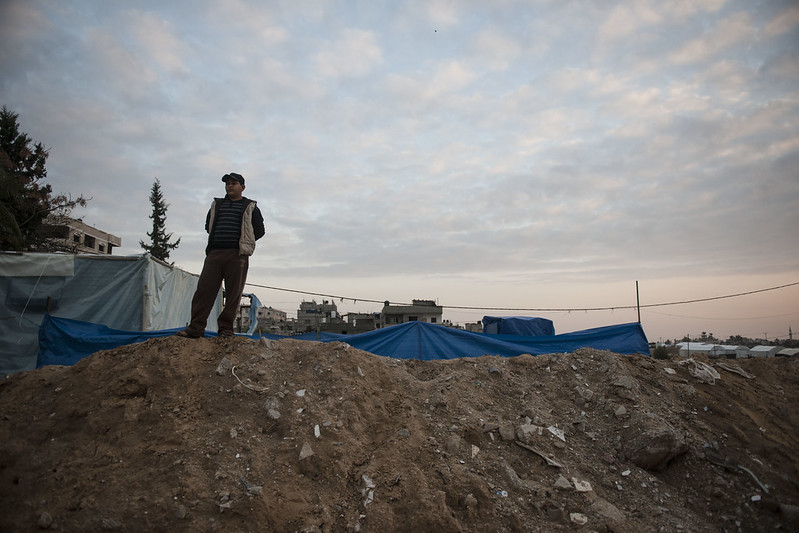
How Award-Winning Authors Are Showing Support for Palestine

Support for PalestineThe relentless brutality of Israeli forces has reduced Gaza to a state of extreme humanitarian crisis. Catherine Russell, executive director of the United Nations Children’s Fund (UNICEF), reports that “the entire Palestinian population in northern Gaza is at imminent risk of dying from disease, famine or ongoing bombardments by the Israeli military.”

With no sign of an end in sight and access to aid severely restricted, global support for Palestinians is crucial for encouraging leaders of the most powerful nations to act in every way they can to see this reality of horror come to an end. One thousand acclaimed publishing professionals and authors, including the author of “Normal People,” Sally Rooney, have demonstrated their stance of support for Palestine by signing a letter that pledges to boycott Israeli cultural institutions.

The Situation in Gaza

Palestinian rights are increasingly violated day by day as the conflict continues to escalate. Since the conflict began on 7 October 2023, more than 40,000 lives have been lost and a minimum of 97,000 civilians have been injured in Gaza. Intern physician Dr. Amira Qadeeh spoke with The New Humanitarian about the devastating impact of the conflict on those living through this nightmare.

Qadeeh expresses: “Before, I was in the safety and comfort of my home, leading a quiet life … and doing all the things that are normal for any human being. Now we need a miracle to get clean drinking water, enough healthy food, a blanket that warms us in the bitter cold and above all, safe shelter.” Urgent continued support for Palestine is crucial for the restoration of livelihood; however, with many companies, countries and institutions still profiting off this crisis, we are witnessing complicity that actively enables the bloodshed to persist.

Support for Palestine From Book Industry Figures

Rooney, Arundhati Roy and Rachel Kushner are just a few names among more than 1,000 signatories of the pledge to boycott Israeli cultural institutions that “are complicit or have remained silent observers of the overwhelming oppression of Palestinians.” Organized by the Palestine Festival of Literature, the boycott recognizes the existence of institutions profiting from others’ suffering. All those in favor of this campaign express that they will refuse to work with any Israeli publishers, festivals, literary agencies and publications that are complicit in the violation of Palestinian rights.

This also includes those operating “discriminatory policies and practices” or “whitewashing and justifying Israel’s occupation, apartheid or genocide.” Among others, Rooney’s support for Palestine has been unwavering, demonstrated through her history of openly advocating for Palestinian rights and refusing to “sell the Hebrew translation rights of her third novel, “Beautiful World, Where Are You,” to an Israeli publisher in 2021. 

The impact of well-known and loved book industry figures such as Rooney using their influence to speak out about the situation in Gaza, as well as calling for the boycott of institutions, is invaluable for generating as much public support for Palestinian rights as possible. Moreover, this high-profile boycott has the power to influence others and highlight companies and institutions that capitalize on the conflict in Gaza.

– Imogen Prince

Imogen is based in Oxford, UK and focuses on Good News and Politics for The Borgen Project.

Photo: Flickr
November 13, 2024
https://borgenproject.org/wp-content/uploads/borgen-project-logo.svg 0 0 Hemant Gupta https://borgenproject.org/wp-content/uploads/borgen-project-logo.svg Hemant Gupta2024-11-13 07:30:262024-11-12 23:54:41How Award-Winning Authors Are Showing Support for Palestine
Aid, Conflict, Global Poverty

Organizations Offering Humanitarian Aid in Lebanon

Lebanon Conflict Escalates: Organizations Offering Humanitarian AidIn Lebanon, Israeli airstrikes in densely populated areas have displaced more than 1 million people, resulting in more than 2,300 deaths and 11,100 injuries. The Middle Eastern country, bordering Israel has a population of 5.2 million, including 400,000 Palestinian refugees and 1.5 million Syrian refugees. Violence escalated in September with pager explosions in Beirut, leading up to a full military assault. With Lebanon already facing an economic crisis, the surge in violence has made humanitarian aid critically necessary.

Oxfam 

Oxfam runs the ‘Gaza-Lebanon Appeal,’ seeking public donations to assist with humanitarian aid in Gaza and Lebanon. The charity uses these funds to improve access to clean water and provide emergency cash, food and hygiene kits. Oxfam also supports displaced individuals in shelters across Beirut, Mount Lebanon and North Lebanon. It advocates for an ‘immediate and permanent ceasefire’ to end the conflict and facilitate greater aid flow across borders.

The Lebanese Red Cross

In Lebanon, the Red Cross serves as the ‘lead emergency responder,’ uniquely providing ambulance services and managing a blood bank for distributing donated blood. By the end of September 2024, the charity had dispatched 254 ambulances staffed by 810 medical workers and distributed 45,988 ready meals and 22,349 food packages. The Red Cross further conducts rescue searches and evacuations.

Action Against Hunger

Action Against Hunger provides vital humanitarian aid in Lebanon and works globally to end hunger in 59 countries. In Lebanon, the charity focuses on the Southern Red Zones—areas devastated by conflict—supplying food, water, medicine and shelter. The organization emphasizes the need for more donations to continue distributing necessary aid.

Medical Aid for Palestinians

Medical Aid for Palestinians (MAP) operates in Gaza, Lebanon and the West Bank, focusing on displaced individuals in refugee camps. The organization provides mental health support, psychological services and immediate medical aid. Midwives volunteer to assist pregnant women, mothers and children; the charity distributes medical kits. MAP is planning a two-week mission to send a medical team to aid the injured. The organization advocates for a permanent ceasefire and urges the United Kingdom (U.K.) government to suspend arms sales to Israel.

Médecins Sans Frontières – Doctors Without Borders

Médecins Sans Frontières (MSF) operates mobile health clinics in Lebanon’s shelters, providing essential items such as mattresses and hygiene kits and running a mental health helpline. This helpline supports those grappling with the psychological impacts of conflict, grief, displacement and separation. It is particularly beneficial for children who face premature adulthood, displacement, educational losses and limited access to food. MSF also provides in-person mental health assistance through mobile units. As of Oct. 21, the organization has conducted nearly 5,000 psychological first-aid sessions and facilitated 450 individual sessions. This mental health support is crucial for Palestinian and Syrian refugees in Lebanon, who live with the constant fear of deportation and struggle to find safety.

Age International

Age International is actively running a Middle East Humanitarian Appeal that specifically assists older individuals in Lebanon and Gaza. The charity acknowledges the heightened risks faced by the elderly, who often struggle to receive support due to disabilities, mobility issues and illnesses. By providing medical assistance and assistive products, such as walking sticks, Age International aids those who find it difficult to access support.

Looking Ahead

Humanitarian aid is flowing steadily into Lebanon as international and local organizations mobilize to support vulnerable populations affected by the ongoing conflict. With targeted assistance, including clean water, medical care, food and shelter, efforts by groups like Oxfam, the Lebanese Red Cross and others are crucial in providing immediate relief. Specialized support, such as mental health counseling and aid for the elderly, helps address the diverse needs of those impacted. These ongoing collective actions are vital in sustaining and protecting affected communities in a nation already grappling with significant economic challenges.

– Ellie Western

Ellie is based in London, UK and focuses on Global Health and Celebs for The Borgen Project.

Photo: Flickr

November 12, 2024
https://borgenproject.org/wp-content/uploads/borgen-project-logo.svg 0 0 Precious Sheidu https://borgenproject.org/wp-content/uploads/borgen-project-logo.svg Precious Sheidu2024-11-12 07:30:352024-11-12 00:41:11Organizations Offering Humanitarian Aid in Lebanon
Aid, Global Health, Global Poverty

Health Initiatives in South Asia

Unlocking Health: Collaborative Solutions for South AsiaHome to nearly 25% of the global population, South Asia is one of the world’s most populous yet vulnerable regions, facing extensive health disparities due to poverty, limited health care infrastructure and high disease burdens. South Asia has the second-highest number and proportion of the world’s extremely poor at a staggering 33.4%. In response, countries like India, Pakistan and Bangladesh have launched targeted health initiatives to address these ongoing challenges, especially for marginalized populations. 

Bangladesh

In Bangladesh, mobile health clinics are reaching remote communities, providing essential health care that would otherwise be inaccessible. BRAC, one of the world’s largest NGOs, has partnered with the government to deploy these clinics across rural areas, delivering crucial services to more than 20 million people annually. In addition to general health care, these mobile clinics offer antenatal and postnatal care, vaccinations and nutrition counseling, all of which are critical in a country where approximately 60% of the population lives in rural areas without easy access to health care facilities.

The Shasthya Shebika initiative, one of BRAC’s standout programs, trains local women to serve as health workers. With more than 50,000 Shasthya Shebikas operating in rural communities, this program reaches more than 80 million people across Bangladesh. The initiative has been shown to reduce maternal mortality in the areas it serves, highlighting the effectiveness of community-based health care support in reducing life-threatening childbirth complications.

Pakistan

In Pakistan, vaccination efforts have led to significant reductions in preventable diseases. Polio, once a widespread threat, is now close to being eradicated due to a massive vaccination campaign launched in partnership with UNICEF and the World Health Organization (WHO). Since 1988, polio cases in Pakistan have dropped by more than 99%—from thousands annually to just a handful in recent years. In 2021, the campaign vaccinated more than 40 million children under 5 across the country, illustrating the reach and impact of sustained immunization efforts.

Pakistan’s Sehat Sahulat Program, a health care financing initiative introduced in 2015, provides health care cards to families earning less than $2 per day. The program currently covers more than a million families, providing them with up to $6,000 annually for medical expenses, including surgeries, maternal health services and emergency care. Studies reveal that households participating in the program are more likely to seek medical care early, reducing disease progression and associated health care costs.

India

In India, where infant mortality and malnutrition are significant challenges, programs like Saans and Poshan Abhiyaan are making measurable progress. The Saans Initiative, launched by the Ministry of Health and Family Welfare, trains community health workers to perform neonatal resuscitation, reducing neonatal mortality rates in rural and underserved areas. Studies reveal that trained health workers can reduce neonatal deaths by up to 20% in resource-limited areas, a statistic supported by Saans data from states like Madhya Pradesh, where the program is heavily implemented.

On the nutrition front, Poshan Abhiyaan (National Nutrition Mission) has been a cornerstone in India’s fight against child malnutrition. Launched in 2018, this program targets stunting, wasting and anemia among children under 5 and women of reproductive age. Since its inception, the mission has reached more than 80 million people across India. Data from the National Family Health Survey reveals a 6% reduction in stunting and a 2% reduction in wasting among children between 2016 and 2020, attributed in part to Poshan Abhiyaan’s focus on community-based nutrition programs, counseling and distribution of fortified foods.

Looking Ahead

The success of health initiatives in South Asia hinges on strong partnerships, leveraging local expertise and international resources to drive sustainable, large-scale impact. Collaborations between BRAC and Bangladesh’s Ministry of Health, Pakistan’s Sehat Sahulat with GIZ and India’s Poshan Abhiyaan with UNICEF and the World Bank have empowered millions, reducing maternal mortality, nearly eradicating polio and lowering childhood stunting rates. Together, these ongoing initiatives transform health access and quality of life for vulnerable populations, creating a foundation for lasting health improvements across South Asia.

– Irtija Ahmad

Irtija is based in Slough, Berkshire, UK and focuses on Global Health for The Borgen Project.

Photo: Flickr

November 8, 2024
https://borgenproject.org/wp-content/uploads/borgen-project-logo.svg 0 0 Precious Sheidu https://borgenproject.org/wp-content/uploads/borgen-project-logo.svg Precious Sheidu2024-11-08 07:30:472024-11-07 12:44:36Health Initiatives in South Asia
Page 9 of 65«‹7891011›»

Get Smarter

  • Global Poverty 101
  • Global Poverty… The Good News
  • Global Poverty & U.S. Jobs
  • Global Poverty and National Security
  • Innovative Solutions to Poverty
  • Global Poverty & Aid FAQ’s
Search Search

Take Action

  • Call Congress
  • Email Congress
  • Donate
  • 30 Ways to Help
  • Volunteer Ops
  • Internships
  • Courses & Certificates
  • The Podcast
Borgen Project

“The Borgen Project is an incredible nonprofit organization that is addressing poverty and hunger and working towards ending them.”

-The Huffington Post

Inside The Borgen Project

  • Contact
  • About
  • Financials
  • President
  • Board of Directors
  • Board of Advisors

International Links

  • UK Email Parliament
  • UK Donate
  • Canada Email Parliament

Get Smarter

  • Global Poverty 101
  • Global Poverty… The Good News
  • Global Poverty & U.S. Jobs
  • Global Poverty and National Security
  • Innovative Solutions to Poverty
  • Global Poverty & Aid FAQ’s

Ways to Help

  • Call Congress
  • Email Congress
  • Donate
  • 30 Ways to Help
  • Volunteer Ops
  • Internships
  • Courses & Certificates
  • The Podcast
Scroll to top Scroll to top Scroll to top