• Link to X
  • Link to Facebook
  • Link to Instagram
  • Link to TikTok
  • Link to Youtube
  • About
    • About Us
      • President
      • Board of Directors
      • Board of Advisors
      • Financials
      • Our Methodology
      • Success Tracker
      • Contact
  • Act Now
    • 30 Ways to Help
      • Email Congress
      • Call Congress
      • Volunteer
      • Courses & Certificates
      • Be a Donor
    • Internships
      • In-Office Internships
      • Remote Internships
    • Legislation
      • Politics 101
  • The Blog
  • The Podcast
  • Magazine
  • Donate
  • Click to open the search input field Click to open the search input field Search
  • Menu Menu
Blog - Latest News
Development, Foreign Aid, Global Poverty

Cash on Delivery Could Be the Future of Foreign Aid
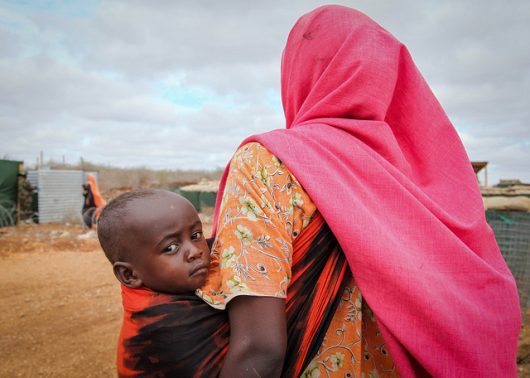
Cash on DeliveryCash on Delivery is a new approach to foreign aid that incentivizes turning laws and legislation into action. It works to strengthen government accountability to its citizens rather than the donor. It is a way that donors can pay for progress rather than set the platform for it.

Cash on Delivery works to provide funding for measurable development so that foreign aid can be more focused on results rather than disbursements. It is this type of results-based aid that is arising from the wonder of why money is being spent overseas rather than on local hospitals if results aren’t the main goal.

In the case of health funding, many developing countries such as Rwanda and Burundi are adopting this type of approach by setting a health standard and receiving, for example, $100 for every child at or above that standard.

Cash on Delivery aid (COD), named after a mail delivery option where you pay for the package upon delivery, is being crowned as the most refined form of results-based aid. It fosters a hands-off approach to development, providing the incentive to progress where the country can use all tools at it needs as long as results are generated.

As many believe foreign aid has long been plagued by micromanagement and transparent contracts, this hands-off approach encourages countries to make their own process decisions and remain independent both culturally and politically.

No more is the time when countries are forced to take fees for basic health services or resources for schools. By giving the decision-making power to the country, aid will be in service of the citizens rather than the donors.

The criticisms of this program lie in the potential risk and short-term feel, but the advantages lie with a more self-sustaining approach to progress. Providing the incentive and the tools to progress may prove just as valuable as the funding itself. Cash on Delivery may just be the future of aid.

– Tucker Hallowell

Photo: Flickr

August 28, 2017
Share this entry
  • Share on Facebook
  • Share on X
  • Share on WhatsApp
  • Share on Pinterest
  • Share on LinkedIn
  • Share on Tumblr
  • Share on Vk
  • Share on Reddit
  • Share by Mail
https://borgenproject.org/wp-content/uploads/borgen-project-logo.svg 0 0 Borgen Project https://borgenproject.org/wp-content/uploads/borgen-project-logo.svg Borgen Project2017-08-28 07:30:332020-06-25 09:21:27Cash on Delivery Could Be the Future of Foreign Aid

Get Smarter

  • Global Poverty 101
  • Global Poverty… The Good News
  • Global Poverty & U.S. Jobs
  • Global Poverty and National Security
  • Innovative Solutions to Poverty
  • Global Poverty & Aid FAQ’s
Search Search

Take Action

  • Call Congress
  • Email Congress
  • Donate
  • 30 Ways to Help
  • Volunteer Ops
  • Internships
  • Courses & Certificates
  • The Podcast
Borgen Project

“The Borgen Project is an incredible nonprofit organization that is addressing poverty and hunger and working towards ending them.”

-The Huffington Post

Inside The Borgen Project

  • Contact
  • About
  • Financials
  • President
  • Board of Directors
  • Board of Advisors

International Links

  • UK Email Parliament
  • UK Donate
  • Canada Email Parliament

Get Smarter

  • Global Poverty 101
  • Global Poverty… The Good News
  • Global Poverty & U.S. Jobs
  • Global Poverty and National Security
  • Innovative Solutions to Poverty
  • Global Poverty & Aid FAQ’s

Ways to Help

  • Call Congress
  • Email Congress
  • Donate
  • 30 Ways to Help
  • Volunteer Ops
  • Internships
  • Courses & Certificates
  • The Podcast
Link to: In Happiness and in Health: Causes of Poverty in Nicaragua Link to: In Happiness and in Health: Causes of Poverty in Nicaragua In Happiness and in Health: Causes of Poverty in Nicaragua Link to: Solar-Powered Lanterns Boost Grades for Kenyan Students Link to: Solar-Powered Lanterns Boost Grades for Kenyan Students Solar-Powered Lanterns Boost Grades for Kenyan Students
Scroll to top Scroll to top Scroll to top