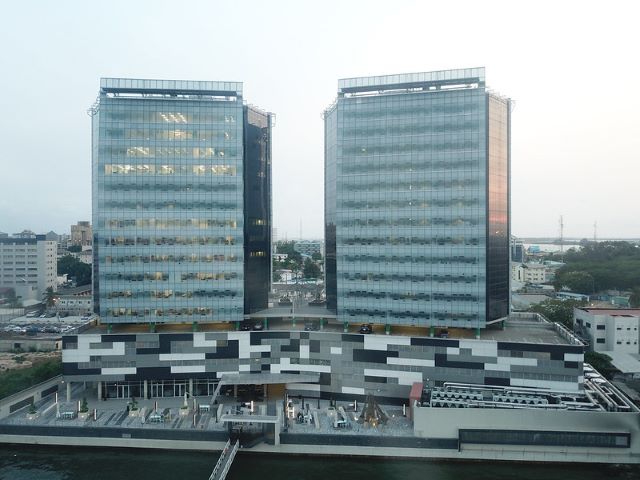
 Through a combination of STEM education, infrastructure and trade with industrialized countries, many formerly underdeveloped nations have seen significant growth in economic output and improved quality of life, especially Asian countries such as China, Singapore and South Korea. Halfway across the world from those countries, a massive well of largely untapped potential lies in Lagos, Nigeria. Lagos houses nearly 15 million people, making it the most populated city in Africa. A combined effort from the Nigerian government and various private enterprises aims to revolutionize tech infrastructure in Lagos and spur economic growth through the Smart City project.
Making the Change
The Smart City project is led by Lagos State Governor Babajide Sanwo-Olu, assisted by several individuals and organizations in both the public and private sectors. The government has assigned a budget of 250 million nairas (around $640,000) toward research on tech infrastructure in Lagos under the management of the Lagos State Science, Research and Innovation Council, which will invest in fields such as AI, robotics, biomedical informatics and sustainable energy. The Smart City project aims for multi-level integration, with the government providing funds and direction for the private sector. This strategy aims to improve tech infrastructure in Lagos and increase the city’s productivity.
The Plans
Lagos is a city with a very large population. Nonetheless, the people of Lagos are limited to a space of less than 4,000 square miles, resulting in immense pressure on existing infrastructure and transportation systems. According to Sanwo-Olu, one of the premier goals of the Smart City project is to construct an intricate rail network that would allow for much more efficient transportation of people and goods, along with remodeled roads, airports and seaports.
Tech infrastructure in Lagos will also be improved through the installation of “3,000 kilometers of fiber metro network cables and broadband infrastructure.” This will provide high-speed internet access to offices, homes, healthcare buildings and schools. High-speed internet would increase productivity and allow for increased connectivity between organizations and the possibility of learning or working remotely, if necessary.
To help sustain technological progress for the future, the government has also sponsored student participation in a new program, the 774 Young Nigerian Scientist Presidential Award. This program aims to promote interest in STEM subjects among young Nigerians and encourage youth participation to innovatively solve the challenges within Nigeria. The fact that more than 66% of the population of Lagos are younger than 30 makes it certain that the future of Nigeria lies in the hands of the youth. As such, Nigeria aims to prioritize and empower young Nigerians.
The Progress
The installation of network cables is well underway with 3,000 kilometers of fiber cables laid in the ongoing first phase of plans. According to Sanwo-Olu, the Nigerian government has funded more than 20 innovative startups “in areas such as agriculture-tech, environmental tech, educational technology and small-scale manufacturing.” The government has also financially supported more than 70 research programs in four educational institutions.
Sanwo-Olu’s administration has also secured funding for the Fourth Mainland Bridge, which is slated for construction in December 2021 and will be the longest bridge in Africa upon completion. Another project slated for completion in 2021 is the Imota Rice Mill. The mill will be the largest in sub-Saharan Africa and will create more than 250,000 jobs for Nigerians.
The government and people of Lagos have made great strides to modernize tech infrastructure in Lagos. The Smart City project has the potential to transform Lagos into a tech powerhouse. Such a development has the potential to reduce poverty throughout Nigeria.
– Sawyer Lachance
Photo: Flickr

Period Poverty Challenges Women Around the World
Period Poverty Challenges in Africa
According to ActionAid, one in 10 girls in Africa do not attend school because they lack access to menstrual products or private hygiene facilities at school. Moreover, 50% of schoolgirls in Kenya do not have access to menstrual products. In addition, community stigmas and taboos about menstruation lead to girls experiencing emotional and mental problems. Girls and women in these situations often feel the need to hide their periods because of the shame associated with menstruation. Understanding the anthropological impacts and possible solutions to period poverty reveals beneficial changes that could help women.
Anthropological Perspective
According to the anthropological perspective of menstruation, menstruation is the biological experience of young girls that notifies them of their body’s transition to womanhood. In a world with more than 300 million women menstruating per day, menstruation is still not openly discussed. In places where menstruation is considered taboo or dirty, women tend to have negative perceptions of themselves. This encourages secrecy and shame. Research suggests that menstruation as a topic of private discussion is universal. Women and girls are expected to deal with their menstruation in silence and invisibility.
Period Poverty Interventions
Sophia Bay, researcher of “Moving Toward a Holistic Menstrual Hygiene Management: An Anthropological Analysis of Menstruation and Practices in Western and Non-Western Societies,” proposes interventions that go beyond the issue of accessing menstrual products. Bay addresses the social stigma and shame as well. The first intervention recognizes the issue of access to menstrual products and the second addresses efforts to destigmatize the topic of menstruation.
When girls in lower-income areas have access to period products regularly, their risk of anxiety and fear is drastically reduced. Additionally, access to sanitation such as handwashing facilities and clean toilets is important to improve hygiene. Increasing privacy is also vital to sanitation as this will prevent young girls from improperly discarding used menstrual products. Lastly, puberty education needs to be prioritized. Many women do not know enough about menstruation. A lack of education about biological changes negatively impacts how girls see themselves and menstruation.
Qrate Workshops
Individuals and organizations are working to change the stigma surrounding periods and address period poverty challenges. Candice Chirwa, the founder of the organization Qrate, currently works with communities in parts of South Africa to educate people about menstruation. She is a passionate menstruation activist, speaker and scholar who uses artistic techniques to encourage conversation about periods and period poverty. Visual art, dancing and acting offer an opportunity for communities to discuss a usually challenging topic in a light-hearted way.
In an interview with The Borgen Project, Chirwa explains that the girls play games to become more confident in themselves during the workshops. For example, one of these games requires the girls to pretend to explain different menstrual products to an alien. This helps them learn more about the products and become more comfortable talking about menstruation. Chirwa explains that the game also lets her know whether the girls are gaining the menstrual knowledge they need.
Ending Period Poverty
Facilitating workshops for young girls in South Africa has shown promise. Furthermore, understanding period poverty from an anthropological perspective offers explanations for the negative cultural stigma around periods. Using the work of researchers, making period products accessible, ensuring menstrual education and taking action to combat the stigma work hand-in-hand to alleviate period poverty.
– Nyelah Mitchell
Photo: Flickr
Toxic Treasure at the Agbogbloshie Dump in Ghana
The E-Waste in Agbogbloshie
Ghana imports almost 150,000 tons of electronic goods per year, which contributes to the excessive e-waste buildup in Agbogbloshie. The e-waste dump is now a vital source of income for impoverished Ghanaians and electronic scraps serve as one of the limited resources in the region. Some of the e-waste is burned, some of it is recycled and other electronic products are repaired or refurbished and resold. The problem is not necessarily the business endeavor itself, but the lack of formal recognition and regulations. Formally recognizing the dump as an entrepreneurial hub and implementing regulations could address environmental and health impacts.
The Health Impacts
In the Agbogbloshie dump in Ghana, workers strip electronic cables in order to uncover “gold, silver, copper and other valuable metals.” Workers resort to “acid leaching and cable burning” to more easily and economically strip cables, but these practices release harmful chemicals and byproducts that impact the health of people and the health of the environment. Researchers from the WHO Collaborating Center for Children’s Health and the Environment at the University of Queensland in Australia confirm the detrimental health impacts of exposure to e-waste. The research confirms the link “between e-waste exposure and thyroid dysfunction, adverse birth outcomes, behavioral changes, decreased lung function and adverse changes that can be seen at the cellular level.”
Reducing E-Waste Globally
On an individual level, it is possible to reduce the amount of e-waste produced. In doing so, consumers can decrease the amount of e-waste that inevitably ends up accumulating at the Agbogbloshie dump in Ghana. People can refrain from discarding electronic products in the trash, thereby reducing the electronic material imported to countries like Ghana. Instead, the goal should be to reuse old products and recycle them if they cannot be reused or repaired. If personally reusing the goods is not an option, the goods can be donated to charity or passed on to family and friends.
International waste reduction is a step in the right direction, but it cannot be the sole response to the issue of e-waste. The United Nations Environment Programme states that Ghana and other countries in West Africa create 85% of the e-waste in Ghana and West Africa. This means that reducing the export of electronics from developed countries will not be enough to address the hazards of the e-waste in the Agbogbloshie dump. Since many people rely on the dump to make a living, a solution must be approached with the locals in mind and their situations of poverty.
Agbogbloshie Makerspace Platform (AMP)
A Ghana-based organization called the Agbogbloshie Makerspace Platform (AMP) takes this idea to heart. The organization encourages people relying on the Agbogbloshie dump to create and repair e-products instead of making a fast profit from recycling materials. This global network helps people create new inventions out of used products and reduces toxic waste in the process. The AMP imparts knowledge and gives advice on how to safely work with e-waste. The organization also developed the AMP Spacecraft, which is a simple blueprint for people to build affordable mobile workshop spaces. Maker Kits are “3D digital downloads of tools and instruments” for crafters to use in their inventions and repairs.
The AMP provides the support needed to ensure that impoverished people relying on the e-waste dump can still make an income in a safe and improved way.
– Esha Kelkar
Photo: Flickr
Taking a Feminist Approach to Foreign Policy
Global Gender Equality Issues
The inequalities among men and women exist in a myriad of forms, several of which are intersecting issues. One of the most prevalent inequalities exists in the workforce. Globally, women earn 24% less than men. This gap is so large that the current rate of progress would see 170 years pass before the gender pay gap is closed. Women often work longer than men when accounting for unpaid work such as household duties and child care. Despite this fact, women still earn less money by a considerable margin. According to Oxfam, women do double the amount of unpaid care work as men, sometimes even 10 times as much. The estimated monetary value of the unpaid work women do is, at minimum, $10.8 trillion.
Also, the fundamental reason women have waned behind men is that women have fewer rights. Worldwide, women have only three-fourths of the rights that men have. The lack of rights means women are not able to progress and develop at the same rate as men despite being disproportionately affected by poverty. Unfortunately, gender inequality impacts developing countries the most, mainly because an annual amount of $9 trillion is lost due to inequality. This significant amount of money could instead uplift economies and reduce poverty in communities.
Sustainable Development Goals
Goal 5 of the 2030 Sustainable Development Goals relates to achieving gender equality. Taking a feminist approach to foreign policy would help achieve this goal due to the influence the approach would have on promoting and supporting global adoptions of policies that directly improve gender equality. More so, achieving gender equality would help accomplish several other Sustainable Development Goals such as fair and equal employment for all and ending poverty.
Rep. Jackie Speier
Rep. Jackie Speier has advocated for women’s rights throughout her tenure in Congress. Newsweek nominated Speier as one of the 150 most “Fearless Women” in the world. Rep. Speier was also considered one of the 50 most influential people in U.S. politics for introducing the Me Too movement to Congress. Rep. Speier and Sen. Gillibrand introduced the ME TOO Congress Act in 2017, which formed the fundamental part of the Congressional Accountability Act (CAA) Reform Act.
H.Res.196
H.Res.196 provides solutions to the global problem of gender inequality. The focus is on recognizing all examples of inequality and attempting to end them accordingly. The priority is to advocate peacefully and methodically for women’s rights worldwide. H.Res. 196 works with clear and precise objectives to address gender equality. The policy goals are reached by allocating more money to support worldwide efforts in increasing women’s rights. The feminist approach to foreign policy not only benefits women who have suffered from inequality but serves for the betterment of the entire world.
H.Res.196 profoundly expresses how a feminist approach to foreign policy can help solve several intersecting issues worldwide. Supplying foreign aid and support would bring the world closer to achieving several Sustainable Development Goals. Adding a feminist focus to this will accelerate global development efforts to end poverty worldwide.
– James Van Bramer
Photo: Flickr
Collaboration to Reduce Global Poverty and Hunger
What The “Imagine There’s No Hunger” Collection Encompasses
The inspiration for this promotion for Hard Rock International, WhyHunger and Yoko Ono Lennon’s collaboration to reduce global poverty and hunger came from John Lennon’s famous song “Imagine.” The music is now 50-years-old, and to celebrate, Hard Rock International is launching its “37th Signature Series – the John Lennon, Imagine There’s No Hunger Collection.” Items from this assortment will be available for purchasing digitally and at Hard Rock International’s resorts, restaurants and gaming clubs. This assortment will include different products such as various chemise styles, hats, miniature guitars with complementary stands and remembrance brooches. Merchandise will cost between $16.00 to $29.50.
The creativity behind the products is also derived from famous John Lennon photos and the pattern of the “Imagine” record case. These designs express hopefulness and positivity in helping with Hard Rock International, WhyHunger and Yoko Ono Lennon’s collaboration to reduce global poverty and hunger.
Thoughts on the Collaboration
Look To The Stars reports that Jon Lucas, president of Hard Rock International, said they are pleased to collaborate with WhyHunger continuously. Its teamwork has allowed it to raise $6.8 million to reduce worldwide food shortage and deprivation. The CEO expressed that since the company is centralized around music, the promotion is a very profound way to get people’s attention and donate through purchasing merchandise. Doing so helps Hard Rock International, WhyHunger and Yoko Ono Lennon’s collaboration to reduce global poverty and hunger.
About WhyHunger
WhyHunger aims not only to inquire but to discover long-lasting ways to solve global starvation through different strategies. The organization spends money on curriculums that train people to cultivate food and urge them to teach others. Also, the company informs people where they can locate free meals in America via its “WhyHunger Hotline” program. In addition, WhyHunger enhances neighborhoods by advocating for them and tackling the main reasons for their deprivation and scarcity. Also, 90% of the organization’s proceeds are invested into its syllabuses, such as its “Artists Against Hunger and Poverty” program that allows musicians to utilize their talent in stopping worldwide malnourishment and deficiency.
According to Look To The Stars, besides helping the poor, WhyHunger also benefits from this partnership because 30% of product revenues and at least $450,000 will be given to the organization to assist it with ending global deprivation. Hard Rock International and WhyHunger’s team efforts have resulted in the delivery of healthy foods to neighborhoods in 31 nations and 120,600 households. Also, WhyHunger’s website states that because of Yoko Ono Lennon’s kindness, the promotion has assisted the company in helping over 47,800 people learn how to develop and preserve food.
Yoko Ono Lennon’s Thoughts on the Collaboration
In response to Hard Rock International, WhyHunger and Yoko Ono Lennon’s collaboration to reduce global poverty and hunger, Yoko Ono Lennon said the following. “Fifty years ago, my late husband John Lennon released the song ‘Imagine’ with the hope of inspiring a world at peace and free from hunger. Despite the challenges we face today, his impact and vision shine brighter than ever as we work to create a better, hunger-free world for families worldwide with WhyHunger and Hard Rock International.”
Music lovers can also donate to the promotion by purchasing the John Lennon: “Bermuda Tapes” app. Through this app, people can understand how John Lennon’s voyage to Bermuda changed his outlook. Also, people can listen to unique and unpublished music samples and discover the inspiration for the record while helping Hard Rock International, WhyHunger and Yoko Ono Lennon’s Collaboration to reduce global poverty and hunger.
– Jannique McDonald
Photo: Wikimedia Commons
The US Plans to Reduce Poverty in Central America
Plans to Improve the Economy
In a public statement, the White House referred to the economic development initiative for the Northern Triangle as a call to action. The U.S. government hopes to bolster economic growth in the Northern Triangle region of Central America. Northern Triangle countries consist of Guatemala, El Salvador and Honduras. The aim of this directive is to implement sustainable action that will stem the mass migration of asylum seekers and ease the ensuing border crises between the U.S. and Mexico. The call to action involves six key areas.
6 Focal Areas of Development in the Northern Triangle
Companies Aiding Poverty Reduction Efforts
The aim of the initiative is to reduce the need to emigrate by equalizing living standards between neighboring nations of varying economic status. This supports the broader goal of creating international stability with efforts to reduce poverty in Central America. The U.S. government believes partnering with the private sector will make the plan of action a reality. So far, 12 companies and organizations have committed to the goal of developing the Northern Triangle.
Technology companies such as Microsoft will provide broader internet and digital communication systems to the Northern Triangle and teach people the digital skills needed to thrive in a digital world. Furthermore, the language learning app, Duolingo, hopes to bolster literacy rates, help people learn English and provide wider access to quality education. Beyond this, international financial institutions such as Mastercard will allow for financial inclusion by giving people the financial and digital skills and services needed to reduce the digital divide and combat poverty.
The Focus on Security
A major obstacle to the plan is how to allocate such loans and funds. Part of this wider initiative of economic recovery includes cracking down on political corruption and increasing transparency and international regulation. Vice President Kamala Harris traveled to Mexico and Guatemala in early June 2021 as a gesture of the beginning of a diplomatic response to the migration crisis. Her discussions mainly focused on issues regarding food security, border security and economic security. Harris emphasizes that women and the youth are priorities in the action plan as they are most vulnerable.
Along with economic rejuvenation efforts, the U.S. hopes to bring its own border security expertise to other nations. This will create an extended security buffer between migrants and the U.S. border. Additionally, the Biden administration wishes to broaden legal pathways toward migration and asylum to offer alternative options to illegal migration.
The Allocation of Funds
In April 2021, the U.S. pledged more than $300 million worth of aid to Central America in order to stem the migration crisis. Almost half of the funds have been allocated toward food security and COVID-19 recovery efforts. The rest of the financial assistance will help in the areas of “health, education and disaster relief services” and aid refugees and asylum seekers.
The division of funds reflects the priorities of the strategy in order to reduce poverty and increase security in the Northern Triangle. According to the World Food Programme, the number of people facing food insecurity in the Northern Triangle increased to 7.8 million in 2021. The cause of this increase correlates directly to hurricanes and the economic crisis caused by the pandemic. Therefore, the development of Northern Triangle economies will reduce poverty in Central America and decrease migration to the U.S.
– Jack Thayer
Photo: Flickr
MFine: Delivering AI-Driven Healthcare in India
What MFine Provides
Founded in 2017, MFine was initially developed by Ashutosh Lawania and Prasad Kompalli. MFine, India’s leading digital health startup, has grown to consist of more than 4,000 doctors, including the country’s best doctors from 600 reputable hospitals. MFine’s platform includes teleconsultations with doctors on a variety of chronic illnesses including diabetes, arthritis and viral infections.
Through its mobile app, MFine provides the user with services such as “diagnostics, health checks, radiology” and an online pharmacy. The year 2020 has presented MFine with a unique opportunity to help millions of people access quality healthcare services during the COVID-19 pandemic. With the enforcement of lockdown policies and social distancing, digital healthcare in India has become all the more crucial, making MFine all the more relevant.
How MFine Aids Healthcare in India
Healthcare in India is defined by two different sectors: the private and public systems. In the public sector of government facilities, Indians have free access to outpatient and inpatient care. However, this system receives very little funding, resulting in shortages in personnel and medical supplies. For this reason, many people look to the private sector for care, however, the private sector requires out-of-pocket payments, which is a challenge for low-income citizens.
In addition to the challenges India already faces, the country is also battling the COVID-19 pandemic. The COVID-19 virus has spread to Indian villages where quality healthcare is scarce. The Washington Post reported in May 2021 that, in the village of Banail, more than 20 people have died from COVID-19 within two weeks. This tragedy, however, is not just limited to Banail. More than 65% of people live in the rural outskirts of India. These areas managed to avoid the first wave of the COVID-19 pandemic, but unfortunately, villages are now also facing rising COVID-19 infections.
MFine’s Benefits
During unprecedented times, MFine has several benefits in the healthcare arena:
MFine recently raised $16 million in funding and achieved tenfold growth due to the increasing popularity of telemedicine in India in 2020. Advances in technology are important for improving healthcare in India. Especially during a pandemic, digital health is a top priority. Globally, telemedicine was the top-funded category in digital health in 2020. With support and funding, digital companies such as MFine can deliver AI-driven, easy access healthcare across India. In a time when disease is rampant and rural villages cannot easily access the healthcare needed, digital healthcare is a saving grace.
– Addison Franklin
Photo: Flickr
Tuba Büyüküstün Partners with UNICEF
Tuba Büyüküstün is one of Turkey’s most famous and highest-paid actresses. Büyüküstün’s work in television and film has brought her both fame and critical acclaim. In fact, Büyüküstün has received five prestigious Televizyon Dizisi awards, in addition to a nomination for the International Emmy Award for Best Actress for her performance in “20 Dakika.” Moreover, the actress has a large social media following with 5.2 million Instagram followers. In recent years, Büyüküstün has used her celebrity status and online platform for humanitarian advocacy. More specifically, Tuba Büyüküstün has partnered with UNICEF to advocate for children’s health and development.
UNICEF’s Mission
The United Nations International Children’s Emergency Fund (UNICEF) began in 1946 to provide aid to countries recovering from World War II. The organization’s primary goal is to provide humanitarian aid to children around the world. Its celebrity ambassador program began in 1954 with actor Danny Kaye. The program aims to bring attention to the organization’s mission through celebrity platforms. Today, more than 200 celebrities from around the world, including Selena Gomez and P!nk, currently participate in this awareness program.
Büyüküstün’s Involvement with UNICEF
Tuba Büyüküstün began her partnership with UNICEF in 2014. Since then, Büyüküstün has participated in a number of campaigns and relief programs with the nonprofit organization. For instance, for her first official UNICEF Goodwill Ambassador mission, she visited children at a camp for Syrian refugees in Kilis, Turkey. Büyüküstün spoke to the children and engaged with them in their daily learning activities. Afterward, the actress and ambassador participated in the opening ceremony of the first UNICEF school located near the camps. In 2018, Büyüküstün also joined in the “One Day at a Museum” initiative, which brings Turkish and Syrian children to various art exhibits and interactive experiences at the CerModern Museum in Ankara.
In July 2020, Tuba Büyüküstün and UNICEF joined forces with the World Health Organization (WHO) to educate the public about the risks and implications of COVID-19. Nearly 35,000 people tuned in to hear from Büyüküstün and WHO professionals.
Why Büyüküstün Partnered with UNICEF
The actress and mother of two have spoken about her dedication to UNICEF’s work. Büyüküstün stated that she is greatly honored to work with UNICEF as a mother. She claimed that “Children are always innocent, no matter where they live.” Büyüküstün explained that she is part of UNICEF because “[children] are all our children regardless of their religion, language, ethnicity and gender. And I think it is the responsibility of everyone to create a world where all children can have equal opportunities.”
Büyüküstün’s outreach is a great example of a public figure using social influence for good. Thanks, in part, to Goodwill Ambassadors such as Büyüküstün, UNICEF is able to advocate for the well-being of children throughout the world.
– Nina Lehr
Photo: Wikimedia Commons
LifeBank Improves Healthcare in Africa
LifeBank’s Mission
LifeBank has dedicated itself to solving the problems of healthcare in Africa. Founder Temie Giwa-Tubosun was initially inspired by her own child’s birth, which took place in the United States. The baby was born prematurely and Giwa-Tubosun could have died of postpartum hemorrhage had she given birth in Nigeria. Giwa-Tubosun told Africa Renewal that “Eight out of 10 women who bleed to death while giving birth can be saved if blood is readily available.” Blood shortages are common in Nigeria and other African countries. Giwa-Tubosun created LifeBank to address this issue.
LifeBank has had a profound impact on healthcare in Africa. The innovative company “uses data, technology and smart logistics to improve the discoverability, delivery, affordability and safety of essential medical products like blood and oxygen for health systems” in Nigeria and Kenya. Since its creation, LifeBank has saved thousands of lives by delivering more than 25,000 essential medical products to roughly 550 hospitals in need.
How LifeBank Works
A strong health supply chain engine in Africa is characterized by a 24-hour delivery service from ports to medical centers. LifeBank works to make this process affordable, adaptable and accessible to everyone. LifeBank uses every type of delivery service, including “bikes, boats, trucks, tricycles and drones.” The company utilizes Google Maps to calculate and monitor the routes involved in blood transportation.
LifeBank uses AI and Blockchain in its distribution system. Its deployment services utilize USSD or SMS to ensure universal access. Patients or doctors place a phone call to LifeBank or make an order through the company’s app. Then, LifeBank contacts the blood bank closest to the patient and the delivery service begins. LifeBank’s service is on-demand. It works across eight states in Nigeria and will now expand to Kenya. The company is able to deliver supplies in less than 50 minutes. LifeBank has made a visible impact on healthcare in Africa and intends to continue doing so.
Improving Healthcare in Africa
According to the World Health Organization, “nearly 20% of all global maternal deaths” occur in Nigeria. Access to blood could significantly reduce cases of maternal deaths involving blood loss. The Nigerian National Blood Transfusion Service often raises concerns about the lack of blood donors in the country, which significantly impacts the blood shortage in Nigeria.
LifeBank aims to solve two major problem areas in the health sector of Africa: accessibility and infrastructure. People in need of blood or hospitals, especially those located in rural areas, have no access to essential medical supplies. Further, blood banks are searching for patients and hospitals to provide for. LifeBank helps connect the two, providing quality information and ensuring fast deliveries.
LifeBank hopes to create a more robust healthcare system by strengthening the supply chain engine across Africa. With its expansion to Kenya, it will continue to save more lives by delivering medical supplies to reduce preventable deaths.
– Addison Franklin
Photo: Flickr
The Smart City Project in Lagos, Nigeria
Making the Change
The Smart City project is led by Lagos State Governor Babajide Sanwo-Olu, assisted by several individuals and organizations in both the public and private sectors. The government has assigned a budget of 250 million nairas (around $640,000) toward research on tech infrastructure in Lagos under the management of the Lagos State Science, Research and Innovation Council, which will invest in fields such as AI, robotics, biomedical informatics and sustainable energy. The Smart City project aims for multi-level integration, with the government providing funds and direction for the private sector. This strategy aims to improve tech infrastructure in Lagos and increase the city’s productivity.
The Plans
Lagos is a city with a very large population. Nonetheless, the people of Lagos are limited to a space of less than 4,000 square miles, resulting in immense pressure on existing infrastructure and transportation systems. According to Sanwo-Olu, one of the premier goals of the Smart City project is to construct an intricate rail network that would allow for much more efficient transportation of people and goods, along with remodeled roads, airports and seaports.
Tech infrastructure in Lagos will also be improved through the installation of “3,000 kilometers of fiber metro network cables and broadband infrastructure.” This will provide high-speed internet access to offices, homes, healthcare buildings and schools. High-speed internet would increase productivity and allow for increased connectivity between organizations and the possibility of learning or working remotely, if necessary.
To help sustain technological progress for the future, the government has also sponsored student participation in a new program, the 774 Young Nigerian Scientist Presidential Award. This program aims to promote interest in STEM subjects among young Nigerians and encourage youth participation to innovatively solve the challenges within Nigeria. The fact that more than 66% of the population of Lagos are younger than 30 makes it certain that the future of Nigeria lies in the hands of the youth. As such, Nigeria aims to prioritize and empower young Nigerians.
The Progress
The installation of network cables is well underway with 3,000 kilometers of fiber cables laid in the ongoing first phase of plans. According to Sanwo-Olu, the Nigerian government has funded more than 20 innovative startups “in areas such as agriculture-tech, environmental tech, educational technology and small-scale manufacturing.” The government has also financially supported more than 70 research programs in four educational institutions.
Sanwo-Olu’s administration has also secured funding for the Fourth Mainland Bridge, which is slated for construction in December 2021 and will be the longest bridge in Africa upon completion. Another project slated for completion in 2021 is the Imota Rice Mill. The mill will be the largest in sub-Saharan Africa and will create more than 250,000 jobs for Nigerians.
The government and people of Lagos have made great strides to modernize tech infrastructure in Lagos. The Smart City project has the potential to transform Lagos into a tech powerhouse. Such a development has the potential to reduce poverty throughout Nigeria.
– Sawyer Lachance
Photo: Flickr
Trade Partnership Between The EU And India
The European Union and India have recently agreed to resume trade negotiations since 2013. The European Union has acknowledged that trade leads to the reduction of national poverty, a huge benefit. The trade partnership between the E.U. and India is strategic to the E.U. in terms of India’s geographical location and natural resources.
National Poverty in India
In India, 30% of the population lives under extreme poverty, meaning that individuals earn less than $1.25 per day. India is one of the subcontinents with the highest toll of poverty in the world. The lack of resources creates a chain reaction, leading to unemployment, child labor and lack of education. Similarly, the poverty rate in India is concerning, alarming other nations to develop impactful relations with India. The economy in India bases on exporting spices, coffee, tea, tobacco, iron and steel. The current COVID-19 pandemic struck India with the lowest economic growth in years. It affected rural areas in India the most. People are reducing spending due to the crisis and financial situation. The European Union has agreed to trade with India to pursue common interests.
Trade Agreements Between the EU and India
The European Union agreed on trading with India for better development and strategic commerce. Europe and India froze their relationship in 2013. This decision strongly affected India’s financial situation. Trade partnership between both nations creates impactful relationships and empowers women. Strengthening the relationship between both countries strengthens human rights and reduces the poverty index, helping civil society. The trade deal between nations is 8.5 billion euros. The European Union and India agreed to build infrastructure projects to increase cooperation.
Both nations have compromised to reduce carbon emissions and increase renewable energy. The pledge between both will improve citizens living conditions and minimize national poverty. According to the European Commission, India is amongst one of the fastest-growing economies in the world. The trade partnership with the European Union could potentially grow India’s GDP up to 6%. The European Union will exhaust available channels to work with India to ensure a transparent market and respect multilateral obligations.
Trade Drives International Development
Open trade policies enable economic development in countries. The cooperation of international trade will benefit the importer and exporter in numerous ways. For instance, trade is critical when it comes to ending global poverty. Multilateral relationships create a win-win scenario, improving productivity and innovation. Poverty means the concentration of individuals deprived of basic needs, often disconnected from global or even regional markets. Consequently, increasing trade creates jobs and grows the exporting sector.
Improving Living Standards in India
In conclusion, emphasizing trade partnership is a national growth strategy. With the collaboration and agreement, India could increase up to 6% of its annual GDP. According to the World Bank, trade-open markets help create an inclusive and integrated environment. The European Union will help India significantly reduce national poverty levels. All sectors in India benefit from bilateral and multilateral negotiations. Above all, it is essential to have an equitable economy to ensure growth in society. The United Nations has prioritized poverty as a millennium development goal emphasizing MDG 8, which corresponds to international trade as a growth strategy to reduce poverty. Thus, the trade partnership between the E.U. and India is conducive to India’s future economic success.
– Ainara Ruano Cervan
Photo: Flickr