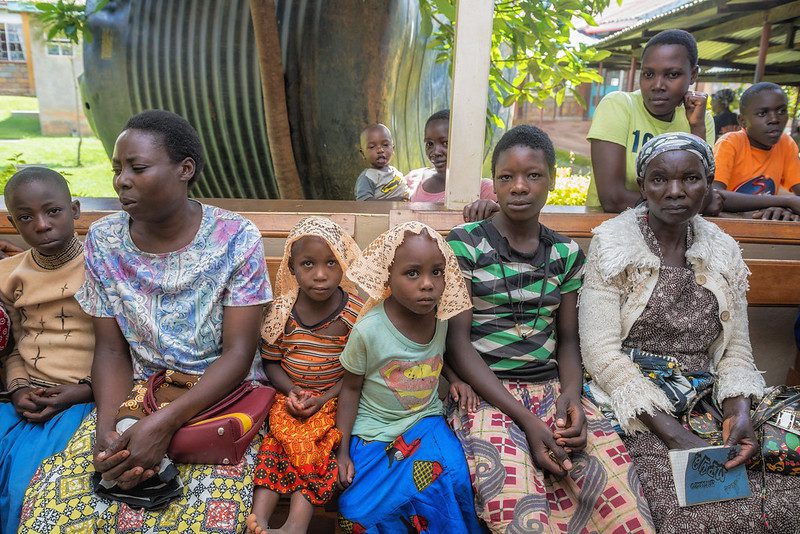
Life expectancy in Africa is rising, increasing to 56 years from 46 in 2000, thanks to expanding healthcare access. Other parts of the world have not observed this tremendous growth rate of 10 years and show a valiant effort to address the issue of essential health care in African countries.
Reshaping Health Care Infrastructure
To tackle the issue of life expectancy in Africa, governments must revamp the framework of their existing healthcare infrastructures. Essential medications, equipment, facilities and technology for communication and information are the significant elements when redesigning a country’s current healthcare infrastructure.
Some countries, such as Ethiopia, utilize infrastructure roadmaps, which help establish a clear plan to improve public health. In Sierra Leone, strategic plans help the government identify what equipment is necessary to combat public health issues effectively. The Central African Republic has worked to maintain existing infrastructure.
From a technological standpoint, the World Health Organization’s AFRO (WHO AFRO) sector assisted African countries based on their healthcare infrastructure status. Modifying and verifying data in the Integrated African Health Observatory is a priority for less established countries, including Burundi and Nigeria, allowing WHO AFRO to determine what aspects of the health care system require improvement. Updated information and technology included new systems to certify causes of death and disease rates.
Affordable and Accessible Health Care
Life expectancy in Africa has a direct connection to access to health care services. Since 2000, there has been a 22% increase in the number of people able to receive necessary health care treatment. In 2019, healthcare coverage in Africa rose to 46%, contrasted with only 24% in 2000. Those living in higher-income countries typically have a more advanced healthcare system than those in lower-income countries.
The ultimate goal is to prevent households from spending excessive money on health care. Many families must spend more than 10% of their income on health-care-related treatments, increasing poverty rates. Ghana and Mauritius utilized medicine pricing strategies and pharmaceutical policies to work towards affordable health care.
These numbers show governments must reform public health spending. Affordable and accessible health care would allow the people of Africa to receive help for treatable diseases as well as offer services to prevent people from contracting diseases in the first place.
Treating Disease with Vaccines and Medications
To continue the current inclination of life expectancy in Africa, public health efforts must focus on those under the age of 5 and above 60. According to Give Well, the top causes of death in those under the age of five are malaria, respiratory infections, diarrhea, perinatal conditions, measles and HIV/AIDS. Those above the age of 60 also risk mortality from ailments similar to those responsible for high death rates among those under five. The leading causes of death among those between 5 and 60 are HIV/AIDS, tuberculosis and maternal mortality.
Nigeria, a country with one of the weakest public health infrastructures, has created a National Drug Policy and implemented vaccination policies for all citizens. The organization of treatment guides and essential medication lists will strengthen the process of treating patients for curable and vaccine-preventable diseases. Many countries have worked to complete this goal, with Sierra Leone finalizing and validating these guidelines.
The mobilization of vaccines and vaccine campaigns has shown some success with meningitis type A breakouts. WHO anticipated stopping all meningitis outbreaks by 2030 with a vaccine named MenAfriVac.
No new meningitis type A cases occurred as of 2017; the form of the disease was responsible for 90% of cases and deaths prior to 2010. The coronavirus pandemic has significantly disrupted these efforts, but the results have shown that life expectancy in Africa can continue to increase by focusing on improving health care.
Public Health Security
According to a WHO survey in 2021, 90% of the 36 responding countries disclosed one or more coronavirus-related events that halted healthcare services. These services included immunizations for other diseases and nutritional programs.
The coronavirus pandemic and the responses of African countries are an example of the relationship between healthcare investment and public health security. When African countries do not have the resources needed to combat threats to public health, the people of those countries can not focus on improving the economy.
As of July 2022, 282 million people in Africa received their first round of COVID-19 vaccinations, an increase of 10% since January 2022. This news reflects a continent dedicated to securing the public health, another factor helping to increase life expectancy in Africa.
– Mikada Green
Photo: Flickr

How the Canadian Job Market Made A Comeback After COVID-19
Following the outbreak of COVID-19, Canada’s unemployment rate first jumped to the highest it had been in more than two decades. In just two years, it dropped to almost the lowest it has ever been. As in many countries, the Canadian job market struggled after the start of the COVID-19 pandemic. Many people had trouble finding work during the first few months of the pandemic. However, Canada has managed to create a staggering number of jobs since then. Now, the country’s job market is, arguably, in better shape than it was prior to the start of the pandemic.
Pre-COVID-19
Before the start of the COVID-19 pandemic, the Canadian job market had been enjoying a prolonged period of prosperity. From 2009 until 2019, Canada’s unemployment rate decreased almost every year, with a low in 2019 0f 5.7%, an all-time low for the country.
In February 2020, just before the start of the pandemic, Canada’s unemployment rate was at 5.5%, only a slight increase from 2019 and there were some signs of encouragement. Employment amongst youth had increased, although with little change to other age groups. Additionally, a number of provinces had also seen increases in employment. Most notably, Quebec increased its employment by 20,000. Other provinces that had increased employment during this same period were Alberta, Nova Scotia and Manitoba.
How COVID-19 Affected the Job Market
As COVID-19 began to spread, many nations required massive shutdowns of companies and businesses to combat the virus. People worldwide either had to work remotely or lost their jobs entirely. Canada was no exception to this as the number of jobs available decreased by more than 3 million in the months of March and April 2020.
Canada’s unemployment rate rose to 13.7% in May 2020, the highest it had been since 1993. Most of the jobs that Canada lost had been recovered during the summer of 2020 and yet, recovery efforts slowed as the virus began to ramp up again that fall. Another wave of job losses also occurred in January 2022 as a result of precautionary shutdowns in response to the Omicron variant.
The pandemic had the largest impact on women, young workers and workers with low wages. Unemployment for those between the ages of 15-24 rose far more sharply than any other age group. Before the pandemic, women had a lower unemployment rate than men. However, in May, unemployment spiked for both genders and women had the higher rate.
Post-COVID-19
In just two years since the start of the pandemic, the Canadian job market has rebounded in impressive fashion. Not only did the country’s unemployment rate return to where it was prior to the shutdowns, but it was also even lower than it was in early 2020. In February 2022, Canada’s unemployment rate stood at 5.5%, lower than the 5.7% rate it was in February 2020. That is also just about the all-time low of 5.4% that it reached in 2019.
Much of the decrease in the unemployment rate can be due to Canada’s unprecedented job creation. The nation has been able to create thousands of jobs per month over several months. In November 2021, 154,000 jobs were added and 54,700 jobs were created in December. Following the temporary Omicron shutdown, Canada added 337,000 more jobs in February 2022.
While many jobs recovered thanks to businesses reopening after the start of the pandemic, the Canadian government also introduced various measures to improve the state of the job market. One of these was the Canada Recovery Hiring Program which helped employers rehire employees with an added boost to their salaries. The Canada Emergency Wage Subsidy allowed millions of Canadians to keep their jobs so that their employers could rehire them once the positions were available again. The Canada Recovery Hiring Program provided assistance to employers that would help them rehire employees, create new jobs and increase hours for those jobs. The combination of the policies and others allowed Canada’s job market to rebound tremendously.
Looking Ahead
After losing more than 3 million jobs at the start of the COVID-19 pandemic, Canada has managed to get its job market in a better position than it was prior to the pandemic. Rapid job creation that shattered expectations has allowed millions of citizens to return to work and many to begin working. It appears that Canada has made the best of what was, otherwise, an unfortunate situation.
– Tyshon Johnson
Photo: Flickr
4 Ways that Fuel Shortages in Sri Lanka Affect Poverty and Inequality
Recently, Sri Lanka quite literally ran out of fuel and has since resorted to extreme rationing, negotiating credit for fuel with foreign nations and receiving international aid. The economy is in shambles, with soaring inflation and foreign debt, mostly due to government mismanagement, according to experts. Amidst protests, the previous president fled to Singapore. Fuel shortages in Sri Lanka have prevented mobility across the country and ground the economy to a halt. Cars queued for days for a chance to get fuel. Due to a lack of transportation, food and other essentials have become difficult to access for many. While concerted responses in both the short and long term can help mitigate the consequences of this fuel crisis, Sri Lankans will continue to endure hardships for months if not years to come. Here are four ways that the fuel crisis is affecting the country.
4 Ways that Fuel Shortages in Sri Lanka are Affecting Poverty and Inequality
Re-Mobilizing Developments
While fuel and food shortages have battered the people and strained the capacity of the government in Sri Lanka, other countries are pitching in to help with the crisis. India, Sri Lanka’s closest neighbor and largest import partner, has supplied Sri Lanka with $3.5 billion of aid as of May 2022. The World Bank has also funneled $160 million in aid for Sri Lanka to buy more fuel. Meanwhile, the IMF will provide $2.9 billion to mitigate the effects of Sri Lanka’s fuel crisis. In the longer term, the country is working towards a future less reliant on fossil fuels, with Ideal Motos having recently unveiled a domestic electric vehicle that can charge from solar roofs. These developments could help Sri Lanka get back on its feet and mobilize its economy.
– Ashwin Telang
Photo: Flickr
Expanding US Agricultural Exports to Cuba
With inflation in Cuba soaring to 70% in 2021 and food imports dropping from $2 billion pre-pandemic to $11.2 million post-pandemic, Cubans are dealing with a devastating economic collapse that has a plethora of bleak consequences. These consequences have led to a low annual income per capita of just 627 Cuban pesos (or $25 USD) and the worst food shortage crisis since the 90s, The Economist reported in July 2021. H.R. 8294 is a piece of legislation that bans the “financing of agricultural sales to Cuba.” A proposed amendment to this legislation, amendment 137, calls for the termination of this prohibition. Supporters of the amendment state that expanding U.S. agricultural exports to Cuba “would create thousands of farm jobs in the United States while providing desperately needed food at lower prices for the Cuban people.” Apart from shortening hours-long queues of people lining up to access food in Cuba, the amendment would also address hunger in the nation and help the country stabilize overall.
Food Shortages in Cuba
In 2021, Cubans had to become accustomed to long wait times for perishables, with some food queue waiting times as long as up to 12 hours. These food queues are a consequence of sanctions on Cuba, the impacts of the COVID-19 pandemic and the economic instability in the country.
Cuba imports nearly 80% of the country’s food, and as a communist nation, the state pays for these shipments. When Cuban officials had less capital to work with during the pandemic, imports fell to levels not visible since 2009. As administrators stretch beyond their capacity, U.S. efforts have become extremely important.
The Cuban government estimates that America’s embargo in its entirety (from 1962 to today) has cost Cuba more than $144 billion. The U.N. estimates this number at closer to $130 billion though. Sanctions and embargoes have stifled economic growth in Cuba, but with a worsening food crisis, U.S. agricultural exports to Cuba are of the utmost importance.
In the 17-year period (1975-1992) when the U.S. allowed Cuba to purchase commodities from “subsidiaries of U.S. companies in third countries,” 90% of the sales each year related to supplies of food and medicine.
U.S. agricultural exports to Cuba served as a major source of the country’s nutritional and medical needs in the past and Cuba still can technically buy food from U.S. companies given an embargo exception made in 2000. But, the U.S. offers no credit for the island nation and only accepts upfront cash payments, making the crucial lifeline of sustenance a mere object of the past. Amendment 137 would offer credit to Cuban consumers so as to make these imports more accessible.
The Possibility of Stability
Supporters of this amendment point toward its potential positive societal impacts as an argument for its adoption. Anti-government protesters marched in Cuba on July 11, 2021, in response to “restrictions on rights, food and medicine scarcity and the government’s response to the COVID-19 pandemic,” Human Rights Watch reported.
July 2021’s demonstrations are the biggest the country experienced since the 1959 revolution. Police detained more than 1,400 demonstrators and more than 700 of these individuals still endured imprisonment as of July 2022.
U.S. agricultural exports to Cuba will not resolve human rights restrictions or the strict rule of the Cuban government, but it would certainly quell a major upset that citizens have, which is rooted in their unmet basic necessities. The possibility of stabilization thanks to a greater U.S. food supply looks even more promising when considering the catalyst for 2021’s uprising, the failure of authorities to keep the economy at bay.
Amendment Specifics
The previously mentioned Cuban credit line would be open for a year and the termination of existing U.S. agricultural export regulations would complement this. Amendments similar to amendment 137 have been proposed in other pieces of legislation, such as the 2017’s government appropriations bill and the Cuba Agricultural Exports Act, which had bipartisan support. However, this amendment was not adopted in H.R. 8294’s first House passage but the proposal still remains on the table as the bill is still awaiting a vote from the Senate.
Amendment 137 in relation to H.R. 8294 could address a lot of the dilemmas Cubans face, from the unbearably long food queues to the instability plaguing the streets. Cuba has demonstrated in the past that it can gain a lot from U.S. business, especially when offered credit to engage with it as Cuba stood as the “ninth-largest export market” for U.S. agriculture pre-1960.
If nations like the U.S. can add stimulus, the resulting benefits would be instrumental for people who have faced a rapidly deteriorating situation over the last two years. Measures like H.R. 8294’s 137th amendment would increase U.S. agricultural exports to Cuba by deregulating U.S. farm exports into Cuba and by offering Cubans credit to afford these new imports. Its adoption would offer Cubans more nutritious food options and make existing food options more accessible. The amendment would play a significant role in the resolve that protestors are requesting, ushering in much-needed stability and peace.
– Jacob Lawhern
Photo: Flickr
Life Expectancy in Africa on the Rise
Life expectancy in Africa is rising, increasing to 56 years from 46 in 2000, thanks to expanding healthcare access. Other parts of the world have not observed this tremendous growth rate of 10 years and show a valiant effort to address the issue of essential health care in African countries.
Reshaping Health Care Infrastructure
To tackle the issue of life expectancy in Africa, governments must revamp the framework of their existing healthcare infrastructures. Essential medications, equipment, facilities and technology for communication and information are the significant elements when redesigning a country’s current healthcare infrastructure.
Some countries, such as Ethiopia, utilize infrastructure roadmaps, which help establish a clear plan to improve public health. In Sierra Leone, strategic plans help the government identify what equipment is necessary to combat public health issues effectively. The Central African Republic has worked to maintain existing infrastructure.
From a technological standpoint, the World Health Organization’s AFRO (WHO AFRO) sector assisted African countries based on their healthcare infrastructure status. Modifying and verifying data in the Integrated African Health Observatory is a priority for less established countries, including Burundi and Nigeria, allowing WHO AFRO to determine what aspects of the health care system require improvement. Updated information and technology included new systems to certify causes of death and disease rates.
Affordable and Accessible Health Care
Life expectancy in Africa has a direct connection to access to health care services. Since 2000, there has been a 22% increase in the number of people able to receive necessary health care treatment. In 2019, healthcare coverage in Africa rose to 46%, contrasted with only 24% in 2000. Those living in higher-income countries typically have a more advanced healthcare system than those in lower-income countries.
The ultimate goal is to prevent households from spending excessive money on health care. Many families must spend more than 10% of their income on health-care-related treatments, increasing poverty rates. Ghana and Mauritius utilized medicine pricing strategies and pharmaceutical policies to work towards affordable health care.
These numbers show governments must reform public health spending. Affordable and accessible health care would allow the people of Africa to receive help for treatable diseases as well as offer services to prevent people from contracting diseases in the first place.
Treating Disease with Vaccines and Medications
To continue the current inclination of life expectancy in Africa, public health efforts must focus on those under the age of 5 and above 60. According to Give Well, the top causes of death in those under the age of five are malaria, respiratory infections, diarrhea, perinatal conditions, measles and HIV/AIDS. Those above the age of 60 also risk mortality from ailments similar to those responsible for high death rates among those under five. The leading causes of death among those between 5 and 60 are HIV/AIDS, tuberculosis and maternal mortality.
Nigeria, a country with one of the weakest public health infrastructures, has created a National Drug Policy and implemented vaccination policies for all citizens. The organization of treatment guides and essential medication lists will strengthen the process of treating patients for curable and vaccine-preventable diseases. Many countries have worked to complete this goal, with Sierra Leone finalizing and validating these guidelines.
The mobilization of vaccines and vaccine campaigns has shown some success with meningitis type A breakouts. WHO anticipated stopping all meningitis outbreaks by 2030 with a vaccine named MenAfriVac.
No new meningitis type A cases occurred as of 2017; the form of the disease was responsible for 90% of cases and deaths prior to 2010. The coronavirus pandemic has significantly disrupted these efforts, but the results have shown that life expectancy in Africa can continue to increase by focusing on improving health care.
Public Health Security
According to a WHO survey in 2021, 90% of the 36 responding countries disclosed one or more coronavirus-related events that halted healthcare services. These services included immunizations for other diseases and nutritional programs.
The coronavirus pandemic and the responses of African countries are an example of the relationship between healthcare investment and public health security. When African countries do not have the resources needed to combat threats to public health, the people of those countries can not focus on improving the economy.
As of July 2022, 282 million people in Africa received their first round of COVID-19 vaccinations, an increase of 10% since January 2022. This news reflects a continent dedicated to securing the public health, another factor helping to increase life expectancy in Africa.
– Mikada Green
Photo: Flickr
Disaster Relief Data Technology Helps Progress in Malawi
The United Nations Development Programme (UNDP) and Malawi’s Department of Disaster Management Affairs (DoDMA) created a digital risk management information system (DRMIS). Currently headquartered in four districts (Balaka, Chikwawa, Mangochi and Phalombe), this initiative collects key data from various sectors to aid communities that natural disasters affected through the delivery of essential services. This advancement in technology has created immense progress in Malawi, a nation that suffers frequently from floods.
Impact of Natural Disasters
Furthermore, studies have shown that floods may lead to an average GDP loss of 1% each year. Floods in Southern Malawi have also caused annual losses of 12% in maize crops. This can seriously stint progress in Malawi as maize is the nation’s staple food crop and accounts for 25% of total agricultural employment.
However, the system that UNDP and DoDMA created aims to digitally record disaster-related information, make better sense of the data available and provide more accurate data-informed insights on what action to take. This will help tackle issues that have risen in the past such as the lack of cohesion and coordination between various disaster relief units in Malawi. Data can help disaster relief units become more organized and effective in their response to crises like floods, cyclones, droughts and hailstorms.
Features and Functions
The system is user-friendly and incorporates several digital design principles using open-source technology. In addition, the system can function in offline mode as well which ensures that users can input data during power outages that may follow a natural disaster. Once the connection undergoes restoration, the data automatically uploads into the system and feeds into a set of real-time data visualizations that users then engage with.
The system also relies on a cluster approach to help coordinate humanitarian assistance in times of emergency. Data pipelines are in place for key reporting units and can help generate key insights on clusters such as shelter and sanitation. Although the initiative is only championed in four key regions, there are plans underway to expand the system to another five regions and then nationwide. The UNDP is exploring methods to improve the system even further, possibly to include features informing users on resource allocation, availability of supply of goods and estimated time for supply deliveries.
Progress in Malawi
This new technology will save countless lives, and lessen the negative impact of natural disasters on the economy. Furthermore, since Malawi relies heavily on rainfed agriculture, it is extremely vulnerable to non-compliant weather conditions and natural disasters. The nation has also faced further difficulties in light of the COVID-19 pandemic, however, the effects of the fourth and most recent wave of the pandemic in 2021 have created far less economic damage than in previous years. Favorable weather and agricultural input subsidies have created a boost in maize and tobacco production which has in turn helped to boost the local economy. With the support of the data system introduced by the UNDP and DoDMA, one can expect a positive trajectory for the economy and progress in Malawi.
– Samyudha Rajesh
Photo: Flickr
Everything to Know About Poverty in the United Kingdom
The U.K. remains at the high end of the worldwide inflation scale, ahead of the U.S. at 8.8% in April 2021, and 8.6% in the Eurozone from June. Low-income households spend more on housing, transport and food causing the high cost of living to disproportionately impact them, increasing poverty in the United Kingdom.
Movement in Geopolitics
Recent explosions of pipelines Nord Stream 1 which carried natural gas to Germany from Russia add pressure to the energy crisis. Although the pipelines have been inactive since early September, the accusations of sabotage of energy supply connections sparked anxiety in the U.K. and Europe. The fear has spread quickly as Norway, Europe’s largest natural gas supplier, has announced increased security on all of its gas and oil infrastructure. Panic could occur as millions are dealing with the mounting debt of rising food prices pitted against the high cost of energy bills.
Soaring costs of food and energy impact the most marginalized people the hardest. Bloomberg reports a peak inflation rate of 8.7% in June for low-income households. Whereas high-income households stood at 7.8% that same month. The data shows lived experience: if one earns more, one will likely have more to supplement rising prices; however, if one does not, one will likely fall short in purchasing power.
Confronting Crisis
Liz Truss’ tax cuts stunned economists and sent the pound into a free fall. On September 23, 2022, the British government announced a 45 billion pound tax cut ($48 billion USD) which caused the pound to drop to a record low of $1.03. In an unprecedented ‘mini-budget’ announced Friday, the government abolished the top 45% rate of income tax paid by the highest earners. As a result, YouGov polling shows that the Labour party has a 33-point lead over the Tories.
Only a year ago, Boris Johnson’s government made a decision to raise taxes to avoid public spending in the wake of the pandemic. Now the new government Truss has assembled caused markets to crash and investments in British industry to be withdrawn. In mid-September, the Bank of England announced that England might already be in a recession, as many are already feeling the sting of autumn without adequate heating.
Politico has quoted Truss in transit to New York this week saying, “Lower taxes lead to economic growth, there is no doubt in my mind about that,” although, with the value of the pound diminishing and the cost of goods, energy and transport already on a high the immediate effect is a negative one. The markets are one metric that helps weigh the viability of a Prime Minister. Currently, her reputation is not strong, even in her constituency. Truss has only two years to prove herself to voters with an election waiting around the corner in 2024.
Although Truss introduced the Energy Price Guarantee on September 8, 2022, which caps energy bills at 2,500 pounds ($2,788 USD) and went into effect on October 1, 2022. Even though this program will keep bills significantly lower than predicted, at least until January, many are skeptical of the Conservative government’s attempts to help people and businesses.
Charities Lending a Hand
Organizations such as Independent Age, Groundwork and the Smallwood Trust have stepped in offering grants for a range of people and communities affected by poverty in the United Kingdom. These grants will provide financial relief for material goods and basic essentials, as well as specialized needs.
Independent Age will give 25 grants of 45,000 pounds each to charities and community organizations helping older people through the crisis. Groundwork is partnering with One Stop Stores in awarding 1,000-pound grants to successful applicants. Smallwood Trust is focused on getting relief to women who need grants in the wake of the cost of living crisis. Women are especially important because they are underpaid and often overworked in society, on top of being the main caretakers in most households. As autumn begins, people are mobilizing to help each other through any difficult day, and that is always something to be thankful for.
During the period of volatility in the United Kingdom, the various organizations providing aid are extremely beneficial. Hopefully, with these charities’ continued efforts, poverty in the United Kingdom will reduce.
– Shane Chase
Photo: Flickr
The UK Cost of Living Crisis and Period Poverty
Period poverty is not a new issue. In the U.K., it has been around for countless years, causing profound problems for those that suffer from it. However, the cost of living crisis, something which has involved the prices of essential items increasing and wages and disposable income falling, has exacerbated it. The cost of living crisis in the U.K. has only worsened the period poverty.
The Crisis
The Institute for Government refers to the cost of living crisis in the U.K. as being the fall in ‘real’ disposable incomes, something caused by high inflation going above wages. The arrival of this crisis in the U.K. is an economic consequence of two major events that have occurred over the last two years. The events are the COVID-19 pandemic and the Russian Invasion of Ukraine. The former has prompted the largest recession in modern times, with gross domestic product (GDP) declining by 9.7% in 2020, the steepest since 1948, while the latter has placed the economy at risk. The invasion has contributed to even more debt, the plunging of the pound’s value and perhaps the most far-reaching consequence, increased costs, especially in relation to household necessities (including, energy, petrol and food).
It is no mystery that the crisis will affect poorer households in the U.K. more than richer ones. The households experience higher inflation rates at 10.9% on average than richer households at 7.9%. Despite this not seeming like a large difference, increasing costs mean that the poorest households are unable to afford and thus, utilize household necessities. One such necessity is period products.
Period Poverty
Period poverty is a global problem, even in the industrialized and wealthy west, including the U.K. The phenomenon describes the struggle that many women and girls, especially those from low-income backgrounds, face when accessing period products. It does not relate only to sanitary products, such as pads and tampons, but other related costs such as pain medication and underwear.
Difficulty in affording these products has profound consequences on the lives of sufferers. Oftentimes, this issue threatens education and economic opportunities as girls and women have to stay at home from school and work. Plan International estimates that more than 137,000 girls across the U.K. have missed school days due to period poverty. This impact justifies the economic, social and political ramifications of period poverty.
The Cost of Living Crisis and Period Poverty in the UK
The cost of living crisis in the U.K. has had a profound impact on period poverty sufferers. In the U.K., period poverty affects one in three girls. Due to high production costs because of inflation, many supermarkets are forced to increase the prices of products. For instance, Tesco has doubled the price of its least expensive period product (pads) from 23 pence a pack to 42 pence. Due to the high costs, many women and girls have had to prioritize other essential items (food and energy) over period products, forcing them to keep current sanitary products in for longer or continuously using tissues.
The crisis has also increased the demand for ‘hygiene banks,’ services that provide free products. In the first 3 months of 2022, the charity Bloody Good Period reported a 78% increase in this, with products provided rising from 7,452 packs in 2020 to 13,284. The banks emerged to bridge the financial constraints that charities that typically provide period products were facing by making period products available themselves.
Two Organizations Making a Change
The cost of living crisis and its impact on period poverty in the U.K. justifies the fact that the phenomenon does not only appear in the developing world. Fortunately, in the U.K., there are organizations working to support those that suffer from the phenomenon.
Bloody Good Period
Bloody Good Period originated with the aim of creating a more sustainable flow of menstrual products. Since its founding in 2016, the organization has worked with more than 100 organizations across England and Wales, supporting more and more women and girls. It does this in four ways:
Bloody Good Period’s continuous usage of these four ways has been successful in enabling the organization to carry out its aim to recognize “the trauma and anxiety caused by not having access to essential menstrual products.”
Period Poverty UK
The founder of Gift Wellness Limited, Dr. Zareen Roohi Ahmed, established Period Poverty U.K. in 2013 with the aim of eradicating period poverty by 2025.
In March 2022, the organization launched a fundraiser called Red Rebel Day to end period poverty. It had two core objectives:
This fundraiser has been successful in providing sanitary products to homeless women, students and women in low-income employment.
The rise in those suffering from period poverty and the U.K. cost of living crisis cannot be separated. The former has been present and wide-ranging for years, while the latter has ensured that the costs of essential period products have increased at exponential rates. Nevertheless, the increase of organizations working to support those that suffer from period poverty has grown and is continuing to grow, something which presents a hopefully more optimistic future.
– Harkiran Bharij
Photo: Flickr
Government Unveils New App in Response to Flooding in Pakistan
After massive flooding in Pakistan due to atypically strong monsoon rains and the Indus River overflowing, in August 2022, the Khyber Pakhtunkhwa province’s government unveiled a new mobile app to help those the disaster affected receive aid. The app comes as millions have experienced displacement and the Pakistani government has received millions of dollars in aid.
Prior to the flooding, the country had been seeing economic growth. Additionally, according to the World Bank, Pakistan reduced national poverty from 64.3% to 24.3% from 2001 to 2015. The World Bank credits economic diversification and expansion outside of the agriculture sector for the nation’s development. However, Pakistan has seen setbacks due to the COVID-19 pandemic. According to Business Standard, the pandemic led to a setback in the number of people living below the international poverty line. The publication announced that the poverty rate in Pakistan grew from 4.4% to 5.4% in 2020 and 3.9% in 2015.
The recent flooding posits a new roadblock and challenge for Pakistan’s economic growth and its people’s security. Now, the nation has created a technological solution in hopes to speed up recovery and provide support to its citizens.
The Damage that the Floods in Pakistan Caused
Recent satellite imaging shows a newly-formed lake more than 100 km wide in Pakistan’s Sindh Province after the rising waters subsided. The lake serves as a physical reminder of the devastation left behind by the flooding in Pakistan which has thrown millions of lives into flux and caused widespread poverty.
Per Business Standard, more than 1,000 people have died from the recent flooding in Pakistan, but tens of millions more were impacted by the disaster. Water destroyed and damaged nearly a million homes, leaving millions without access to electricity, clean water or shelter. Per UNICEF, more than 664,000 have had to live in displacement camps scattered throughout the country while they await restitution.
As recently as 2018, agriculture made up more than 18% of Pakistan’s economy, with a majority of it being biased toward livestock, which makes it the largest sector of the Pakistani economy.
Reports noted that the flooding in Pakistan has killed more than 7 million livestock and rendered millions of acres of farmable land unusable, leaving many across the country without their primary source of income.
Foreign Aid and the Flood Reporting Mobile Application
In response to the flooding in Pakistan, there has been an outpouring of aid and support from the international community. The U.N. has sent $2.6 million to Pakistan, and its Central Emergency Response Fund plans to send $3 million more to help with recovery efforts.
Countries within the Islamic world have been particularly supportive of Pakistan’s healing. The United Arab Emirates has planned to send 15 planes with supplies to the country. Turkey and its Red Crescent Society have provided supplies like mosquito nets and tents for families displaced by the disaster. The NGO Qatar charity has given aid to more than 9,000 Afghan refugees and members of the Balochistan province affected by the flooding.
To help in distributing the aid it has received, the government of Khyber Pakhtunkhwa, which was among the provinces that the flooding in Pakistan hit the worst according to NASA’s satellite imaging, has released a mobile app for its citizens to use to report flood damage and request aid. According to Provincial Minister for Science and Information Technology Atif Khan, the app is primarily for requesting food and medical services.
The app is simple in its design and relatively straightforward in its use. Upon opening the app, the user sees the provincial government’s logo and then goes to the screen for reporting. From there, users can file reports, view new and historic reports and examine completed reports. According to the Khyber Pakhtunkhwa government, the Provincial Disaster Management Authority and relevant district administration respond to each claim.
Khan has said that the provincial government takes “urgent steps” in response to each user’s request for aid, though he has not provided a specific timetable for when the steps should be fulfilled or the specifics of what it has been able to provide users.
One issue with the app is that many of those that may need aid the most in Pakistan do not have easy access to regular electricity or WI-FI due to the damage caused by flooding, which makes it difficult to download and run the Flood Reporting Mobile Application. However, for those that can use it, the app connects them to support in a time when disaster has divided the nation.
– Ryan Morton
Photo: Flickr
Angelina Jolie Supports Ukraine Amid War
Russo-Ukrainian War Overtime
In 1991, Ukraine declared its independence from Russia, right after the fall of the Soviet Union. From then on Russia and Ukraine have been head to head in multiple disputes over several different issues regarding keeping ties with Russia and joining NATO.
In 2014, the Ukrainian region of Crimea was annexed by Russian forces. This launched a series of brutal retaliations that eventually led to the split between pro-Russian separatists and the Ukrainian army. The Ukrainian government reported the killings of around 15,000 people since 2014, according to Reuters.
On Feb. 24, 2022, Russia invaded Ukraine. In only three days after the invasion, Ukraine reported 352 deaths and 1,684 injuries among its people. From then on the Russo-Ukrainian war has continued to be an ongoing battle between Russia and Ukraine.
Jolie’s Surprise Visit to Ukraine
With over 7 million refugees fleeing Ukraine in hopes of escaping the turmoil of the war as of September 2022, Hollywood actress Jolie supports Ukraine by urging many to take the matter seriously.
In April 2022, Jolie traveled to Lviv, the largest city in western Ukraine, of her own will. Ukrainian woman Maya Pidhoretska spotted Jolie at a local coffee shop, stating “people just couldn’t believe that it was her,” The Washington Post reports. The actress wanted to personally observe what the refugees and the Ukrainian people are facing from the ongoing war, which positively surprised many local people as well as the refugees arriving in Lviv.
While there, she took the time to speak with people as a way of providing both support and comfort from an outside source. Jolie dedicated her time to talk to students at boarding schools and medical facilities.
Angelina Jolie Urges Support for All
Before her visit to Ukraine, Jolie made a stop in Yemen’s capital, Aden. She hoped to aid refugees as well as to draw attention to the vast need for support in Yemen. Jolie has been advocating for Yemeni refugees for many years. Due to the conflict between Russia and Ukraine, Yemen and other countries have lost substantial imports of wheat and other food supplies. Both Russia and Ukraine are among the world’s top breadbasket distributors.
Through an Instagram post, Jolie called for “an immediate end to the conflict and humanitarian crisis,” Global Citizen reports. Angelina Jolie supports Ukraine by recognizing the impact people can make on other countries suffering from the current war.
Although the Russo-Ukrainian war has been ongoing for many years, significant progress has been made. Notable figures such as Jolie have raised more awareness and support for Ukraine and other countries in conflict. As Jolie stated in a Global Citizen report, “Everyone deserves the same compassion…we cannot be selective about who deserves support.”
– Madison Stivala
Photo: Flickr
Hurricane Fiona Leaves Puerto Rico In Ruins
Puerto Rico’s History of Hurricanes
Five years before Hurricane Fiona, Puerto Rico was visited by another tropical storm: Hurricane Maria. Maria was a Category 4 hurricane that left aftershocks still impacting the island. Not only did it leave Puerto Rico in physical ruins, but it also collapsed the country’s electrical system. Although the Trump administration attempted to help with damage and repairs, United States aid efforts were inadequate, given the magnitude of the storm and the amount of relief provided. When Hurricane Fiona hit a few years later, the island had not recovered.
Hurricane Fiona Strikes
Severe flooding occurred as dark clouds rested above the entire island and delivered record amounts of rainfall in Puerto Rico. Still traumatized from Hurricane Maria, Danny Hernández, a citizen of San Juan, recalled the scarcity’ most Puerto Rican residents have experienced since the first catastrophe years ago. Hurricane Fiona left 900,000 residents without power and 358,000 without access to water. Due to high winds, debris blocked many peoples’ escape routes to safety. In Cayey, a mountainside town, the Puerto Rican National Guard was sent to rescue 21 elderly and disabled people from an elderly home. Photography student, Ada Vivian Román, experienced several trees and fences being knocked over around her town. However, she goes on to say how privileged she feels compared to those whose homes were submerged underwater by the storm, AP News reports.
Hurricane Relief Efforts in Puerto Rico
After seeing Puerto Rico in ruins, U.S. President, Joe Biden, took action in assisting the struggling island. Biden has promised to allocate federal funds to pay for 100% of aid costs related to Fiona for one month. Before the hurricane, he approved a declaration allowing FEMA to give money directly to the people impacted by the storm. Moreover, on Sept. 21, Biden issued a major disaster declaration for Puerto Rico.
Several organizations have begun to raise funds to support this catastrophe. For instance, Global Giving has started a Hurricane Fiona Relief Fund to help residents on the island and others bordering Caribbean islands affected by this storm. In addition, a women-led nonprofit, Taller Salud, is already working to provide hurricane relief across Puerto Rico by accepting donations of everyday items.
With Puerto Rico devastated by the hurricane, many residents are left wondering what the future holds and how the hurricane’s impact will likely be felt for years. With continued support from international and local aid, Puerto Ricans strive to overcome this disaster.
– Madison Stivala
Photo: Flickr