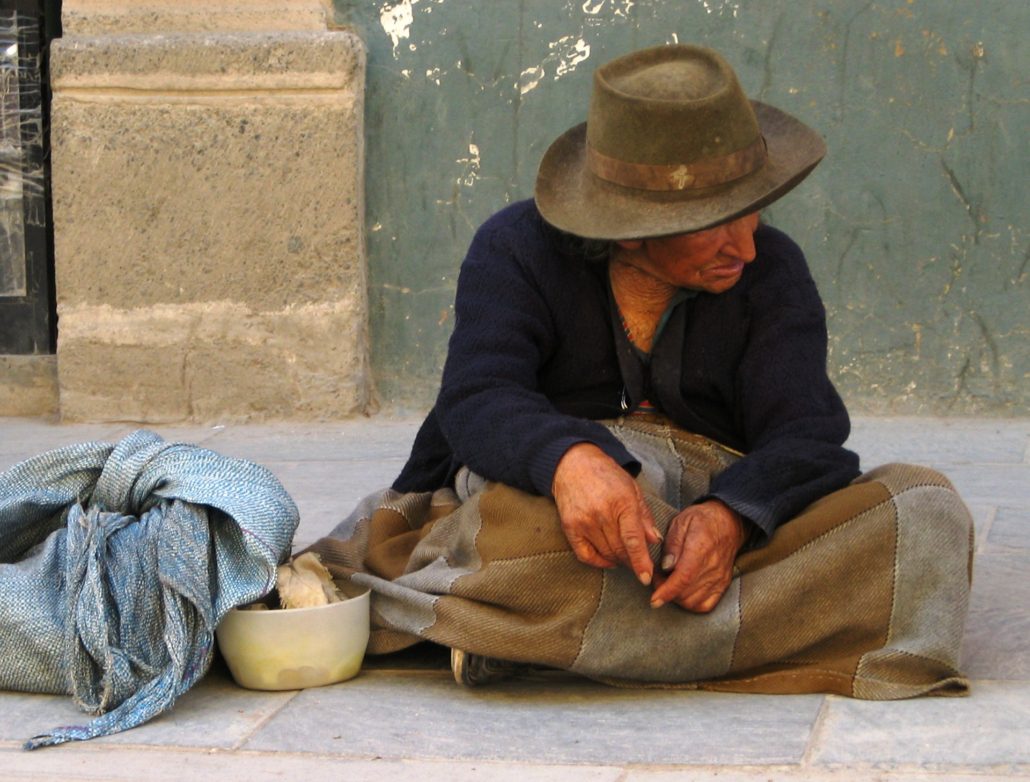
Poverty is a complex global issue that affects millions of people around the world. Despite ongoing efforts towards addressing global poverty, a large portion of the population could still be living in extreme poverty by 2030. The fact that inequality within countries has either increased or remained unchanged, leading to more global inequality, has compounded this situation.
Global Poverty Crisis
As of 2015, 736 million people still face poverty, with 10% of the world’s population living in extreme poverty and 1.3 billion people experiencing multidimensional poverty. The impact of poverty has been devastating on the health and education of the poorest individuals. It is essential to keep working towards reducing poverty and promoting equality globally to improve the lives of those affected.
The global poverty crisis is a daunting challenge that requires the collective effort of individuals, businesses and governments to solve. American businesses have a unique opportunity to make a real difference in the lives of millions of people around the world by taking practical steps to address global poverty. From providing job opportunities to donating resources and funds, there are many ways businesses can help fight poverty. American businesses can invest in companies and projects that promote sustainable economic growth and poverty reduction. This can include investing in startups and small businesses that are working to create jobs and lift people out of poverty.
Responsible Investments
Responsible investment is one-way businesses can contribute to addressing global poverty, such as through the impact investment fund Root Capital. Root Capital has invested more than $1 billion in more than 700 businesses, helping more than 1.5 million people. Its work has enabled agricultural businesses to create jobs, incomes and choices for more than 2.4 million rural families.
Another example of responsible investment is Coca-Cola’s 5by20 initiative, which aims to empower 5 million women entrepreneurs by 2020. The initiative has provided resources, financing and training to more than 6 million women around the world.
Poverty Reduction Efforts Through Philanthropy
Several American businesses have made significant contributions to poverty reduction efforts through philanthropy. One notable example is Microsoft, which has donated hundreds of millions of dollars to organizations such as The Global Fund to Fight AIDS, Tuberculosis and Malaria. The Global Fund is a partnership between governments, civil society and the private sector. It aims to accelerate the end of the three diseases by investing in prevention, treatment and care.
The Bill and Melinda Gates Foundation has partnered with the United Nations Foundation’s Shot@Life program, which provides access to life-saving vaccines for children in developing countries. The program has helped to vaccinate millions of children against preventable diseases such as measles, pneumonia and polio.
The foundation has also donated billions of dollars toward health, education and development initiatives. Its Global Health Division has helped reduce the burden of diseases such as malaria, tuberculosis and HIV/AIDS, saving millions of lives in the process.
Takeda Pharmaceutical is another company that partnered with the Shot@Life program to “expand children’s access to life-saving measles vaccines in approximately 40 countries across Africa, Asia and Latin America.” Through this support, Takeda Pharmaceutical aims to help vaccinate millions of children by 2026, making a major contribution to reducing the prevalence of preventable diseases.
The Walmart Foundation is taking significant steps to address global poverty through philanthropy, committing to strengthening farmer-producer organizations in Madhya Pradesh and West Bengal, India. This two-year project will provide farmers with training and capacity-building activities with a focus on improving their proficiency in sales, marketing and production techniques. This will help the farmers improve the quality and quantity of their output and ultimately increase their income.
Using Advocacy to Address Global Poverty
Advocacy is another important way that American businesses could contribute to addressing global poverty. By using their influence, businesses can call for systemic changes that address economic injustice and inequality, support initiatives that provide access to education and health care and lobby for government support for poverty-reduction initiatives.
One example of a business using advocacy to address poverty is Microsoft. The company has called on governments to invest in initiatives that provide access to technology to all citizens, regardless of socio-economic status.
Microsoft has also advocated for increased access to financial services for disadvantaged communities, recognizing that access to credit and financial resources are critical to economic growth and development. Through its advocacy efforts, Microsoft is promoting more equitable access to technology and finance, which can help to reduce poverty and promote economic development.
It has also promoted digital inclusion and access to technology through its Airband Initiative, which aims to expand internet access in underserved communities worldwide.
Bluetown, a company specializing in deploying last-mile technologies to expand rural access to high-speed internet and promote economic opportunities, has partnered with Microsoft’s Airband Initiative to accelerate connectivity projects in Ghana. The current internet penetration rate stands at only 32.5% in Ghana. To bridge this digital divide and promote economic development in these underserved communities, Bluetown and Microsoft are aiming to bring internet access to nearly 2 million people. This partnership demonstrates how innovative technology solutions and collaborative partnerships can make a meaningful and substantial difference.
Enhancing Customer Relations
Investing in addressing global poverty, not only promotes corporate social responsibility but also enhances customer relations. Companies that take steps towards reducing poverty can earn the support and loyalty of customers who appreciate their efforts. Furthermore, businesses can benefit from reduced costs and increased profits by investing in poverty reduction initiatives, leading to improved public opinion and financial gains.
Addressing global poverty also improves the quality of life for people in developing countries, including access to education, health care and other essential services, leading to better health and increased opportunities. This creates a more favorable business environment and attracts foreign investment.
In conclusion, addressing global poverty is a win-win situation for American businesses. By actively participating in poverty reduction efforts through responsible investment, philanthropy and advocacy, American businesses can create new markets, increase economic stability and improve the quality of life for people in developing countries. This leads to long-term sustainable economic growth for American businesses and a brighter future for all.
– Nkechi First
Photo: Flickr

Transforming South Africa’s Agricultural Struggles
Farming is crucial for growing Africa’s political economy. However, South Africa’s agricultural struggles have allowed the rest of the world to outpace South Africa’s agricultural outputs and economic prospects. Thankfully, for many South African farmers, the total income for agriculture and related goods services increased by about 4% in 2020, bringing new value to South African farming. New technologies and practices could further improve the value of South Africa’s farming by billions while bringing capital and investors into the developing nation. Such income could lift millions out of poverty and launch a new age of agriculture to benefit an entire country.
Africa’s Agricultural Economy
Despite South Africa’s agricultural struggles, the farming community remains at the heart of the South African economy. In the rural regions, more than 70% of the workforce works in agriculture and depends on it for their livelihoods and regional economic growth. South Africa’s agricultural impact expands beyond the regional farmers. Commercial farmers also strive to ensure the future of South Africa’s agricultural economy. The larger-scale farms experienced the most economic growth in 2020, increasing the South African corporate farming averages by 13% from the previous fiscal year. The commercial farmers are responsible for bringing new investments and technologies to South Africa. Still, large-scale corporate farms have their fair share of agricultural troubles.
Both the large and small-scale farms battle soil erosion, which often stems from failing or low-drainage systems and access to water, especially in the bouts of drought South Africa is prone to experience. South Africa’s agricultural struggles heavily impede a farmer’s ability to have a successful harvest and the nation’s high poverty and low-income rates strongly reflect this.
In South Africa, more than 55% of the population lived in poverty in 2014 and many economic experts believe that agriculture holds the key to poverty reduction for the nation. With such dependence on agriculture, it is necessary for South Africans, the government and farming corporations to introduce new farming technologies. Such new technologies could improve the status and quantity of South Africa’s agricultural community.
New Farming Technologies and Methods For South Africa
South Africa’s agricultural struggles have many causes. One is using soil and farmland without proper fertilizer and revitalization of soil in between harvests. To prevent soil erosion, farmers can harvest everything from their land, including the crops that did not grow sufficiently and set them aside to compost. The composted crops become mulch fertilizer. Mulch helps keep the necessary vitamins, minerals and nutrients plentiful in the soil. Mulch is only a temporary solution, though. For longer-lasting improvements in preventing soil erosion, agricultural experts are advocating for “no-till farming.”
No-till farming inflicts little disturbance on farmland. Farmers should begin their first no-tilling growing season after harvesting everything in the fields to limit diseases leftover from previous crops. No-till farming mandates fertilizer to revitalize the microbiome required for providing nutrients to the soil and crops. Due to the lengthened process to prepare a field for no-till farming, South African farmers fear they could lose out on income and delay harvests, or worse, risk crop infection and lose entire harvests. In the meantime, soil erosion sauces income losses annually until the land can grow no more.
Improper Water Irrigation
A second issue affecting South African farming is improper water irrigation. South Africa has a dry climate, with an intense rainy season between November and March. The majority of the rain falls during this period, meaning farmers must make all averaged 18 inches of rainfall count while properly irrigating the fields. The purpose of an agriculture’s irrigation system is to properly remove excess water that could cause crop damage while maintaining a healthy flow of water around the farmland. If the excess water remains, a crop is can lose sunlight and aeration and nutrients can flood the soil.
To fix poor water drainage and irrigation systems, one dominant idea has been to use Geo Positioning Software (GPS) with Light and Ranging detection technology (LiDar) to assist with curving land surfaces to appropriate levels given a region’s specific terrain and needs. Such technologies are attached to necessary plows that can then place a soil-safe, low-cost drainpipe for irrigation where it needs to go for optimal drainage and water coverage.
How South Africa Can Benefit From New Farming Technologies
No-till farming is rare in South Africa, but the few farmers who have ventured into the practice have witnessed immense improvements in the health of their crops and crop output. One farmer who began the practice only recently has had the most productive harvests in his tenure as a farmer. If both corporate and subsistence farmers were to introduce the method of no-tilling their land, there would significant improvement in a farm’s production, which could entice international investors to invest in a historically rich agricultural nation.
South Africa’s agricultural community is strong enough to have a trade surplus. Sadly, the poorest members of the farming community see no benefits. They need the help of investments and new technologies to flow in South Africa. Farming experts worldwide see potential in bringing new technologies and techniques into South Africa’s agricultural businesses. They believe that the latest tricks to the trade can improve the output and value of the region’s farming community by several billion Rand annually, benefitting all community members. New technologies and farming practices could end South Africa’s agricultural struggles, and South Africa’s high poverty rate could decrease exponentially.
– Clara Mulvihill
Photo: Flickr
Challenges Getting Earthquake Aid to Syria
On Monday, February 6, 2023, an earthquake of 7.8 magnitudes devastated South-Eastern Turkey and neighboring Syria. The earthquake has had devastating effects, killing more than 22,000 people, as of February 10, 2023. The area felt an aftershock of 7.5 magnitudes almost nine hours later and since then almost 150 aftershocks hit the region. For Syria, a country already suffering from the effects of a brutal civil war, the earthquake has been a major tragedy as the international world races and struggles to get aid to their affected areas.
Previous Needs for Humanitarian Assistance
Prior to the devasting effects of the earthquake, Norther Syria already had more than 4 million people in need of humanitarian assistance. Estimates indicated that the recent earthquakes affected almost 9 million people, raising the urgency and need for humanitarian aid to Syria. There is a major shortage of supplies currently in hospitals in Northwestern Syria, meaning many who have earthquake-related injuries are at risk of not getting the treatment they urgently need. Earthquakes damaged and destroyed many hospitals and as they are facing issues with undersupplying and overcrowding, necessities such as fuel and medicine are in extremely short supply.
Difficulties
What is a striking reality considering the urgency of the current situation is the divide in aid that others offered to both Syria and Turkey. According to Sky News, getting aid to Syria is much more difficult due to the effects of the civil war, which has divided the country into different political fragments and the oppressive ruling government’s treatment of the population. In addition, many people have criticized the U.N.’s poor response to the current situation. Local rescuers have said that the U.N. aid that they have received was the regular supplies and assistance they were receiving before the earthquake.
According to BBC, the White Helmets, an organization that is active on the ground, has reported that the supplies received do not include any special equipment or aid for search and rescue teams, leaving people trapped under the rubble. The White Helmets volunteers on the ground reported that a lack of heavy machinery was severely hampering its rescue efforts and was strongly appealing to the international community for urgent aid to Syria. Finally, the politicization of humanitarian assistance has posed a major obstacle as the international community struggles to react efficiently.
Hope Still Exists
Regardless of the obstacles, hope still exists for Syria. The U.K. has increased its funding for the White Helmets and other agencies on the ground. Around 19 states of the European Union have promised water, sanitation reliefs, blankets, hygiene items and funding for humanitarian organizations. Russia is sending rescue teams to Syria and the Chinese Red Cross has pledged around £167,000 of aid to Syria. The UAE has also pledged £11.4 million in humanitarian aid and is sending medical equipment and search and rescue teams to the country, according to Sky News. Although the response may have been slow, the international community is slowly picking up its act and reacting to the urgency of the situation.
– Saad Haque
Photo: Flickr
Why Addressing Global Poverty is Good for American Business
Poverty is a complex global issue that affects millions of people around the world. Despite ongoing efforts towards addressing global poverty, a large portion of the population could still be living in extreme poverty by 2030. The fact that inequality within countries has either increased or remained unchanged, leading to more global inequality, has compounded this situation.
Global Poverty Crisis
As of 2015, 736 million people still face poverty, with 10% of the world’s population living in extreme poverty and 1.3 billion people experiencing multidimensional poverty. The impact of poverty has been devastating on the health and education of the poorest individuals. It is essential to keep working towards reducing poverty and promoting equality globally to improve the lives of those affected.
The global poverty crisis is a daunting challenge that requires the collective effort of individuals, businesses and governments to solve. American businesses have a unique opportunity to make a real difference in the lives of millions of people around the world by taking practical steps to address global poverty. From providing job opportunities to donating resources and funds, there are many ways businesses can help fight poverty. American businesses can invest in companies and projects that promote sustainable economic growth and poverty reduction. This can include investing in startups and small businesses that are working to create jobs and lift people out of poverty.
Responsible Investments
Responsible investment is one-way businesses can contribute to addressing global poverty, such as through the impact investment fund Root Capital. Root Capital has invested more than $1 billion in more than 700 businesses, helping more than 1.5 million people. Its work has enabled agricultural businesses to create jobs, incomes and choices for more than 2.4 million rural families.
Another example of responsible investment is Coca-Cola’s 5by20 initiative, which aims to empower 5 million women entrepreneurs by 2020. The initiative has provided resources, financing and training to more than 6 million women around the world.
Poverty Reduction Efforts Through Philanthropy
Several American businesses have made significant contributions to poverty reduction efforts through philanthropy. One notable example is Microsoft, which has donated hundreds of millions of dollars to organizations such as The Global Fund to Fight AIDS, Tuberculosis and Malaria. The Global Fund is a partnership between governments, civil society and the private sector. It aims to accelerate the end of the three diseases by investing in prevention, treatment and care.
The Bill and Melinda Gates Foundation has partnered with the United Nations Foundation’s Shot@Life program, which provides access to life-saving vaccines for children in developing countries. The program has helped to vaccinate millions of children against preventable diseases such as measles, pneumonia and polio.
The foundation has also donated billions of dollars toward health, education and development initiatives. Its Global Health Division has helped reduce the burden of diseases such as malaria, tuberculosis and HIV/AIDS, saving millions of lives in the process.
Takeda Pharmaceutical is another company that partnered with the Shot@Life program to “expand children’s access to life-saving measles vaccines in approximately 40 countries across Africa, Asia and Latin America.” Through this support, Takeda Pharmaceutical aims to help vaccinate millions of children by 2026, making a major contribution to reducing the prevalence of preventable diseases.
The Walmart Foundation is taking significant steps to address global poverty through philanthropy, committing to strengthening farmer-producer organizations in Madhya Pradesh and West Bengal, India. This two-year project will provide farmers with training and capacity-building activities with a focus on improving their proficiency in sales, marketing and production techniques. This will help the farmers improve the quality and quantity of their output and ultimately increase their income.
Using Advocacy to Address Global Poverty
Advocacy is another important way that American businesses could contribute to addressing global poverty. By using their influence, businesses can call for systemic changes that address economic injustice and inequality, support initiatives that provide access to education and health care and lobby for government support for poverty-reduction initiatives.
One example of a business using advocacy to address poverty is Microsoft. The company has called on governments to invest in initiatives that provide access to technology to all citizens, regardless of socio-economic status.
Microsoft has also advocated for increased access to financial services for disadvantaged communities, recognizing that access to credit and financial resources are critical to economic growth and development. Through its advocacy efforts, Microsoft is promoting more equitable access to technology and finance, which can help to reduce poverty and promote economic development.
It has also promoted digital inclusion and access to technology through its Airband Initiative, which aims to expand internet access in underserved communities worldwide.
Bluetown, a company specializing in deploying last-mile technologies to expand rural access to high-speed internet and promote economic opportunities, has partnered with Microsoft’s Airband Initiative to accelerate connectivity projects in Ghana. The current internet penetration rate stands at only 32.5% in Ghana. To bridge this digital divide and promote economic development in these underserved communities, Bluetown and Microsoft are aiming to bring internet access to nearly 2 million people. This partnership demonstrates how innovative technology solutions and collaborative partnerships can make a meaningful and substantial difference.
Enhancing Customer Relations
Investing in addressing global poverty, not only promotes corporate social responsibility but also enhances customer relations. Companies that take steps towards reducing poverty can earn the support and loyalty of customers who appreciate their efforts. Furthermore, businesses can benefit from reduced costs and increased profits by investing in poverty reduction initiatives, leading to improved public opinion and financial gains.
Addressing global poverty also improves the quality of life for people in developing countries, including access to education, health care and other essential services, leading to better health and increased opportunities. This creates a more favorable business environment and attracts foreign investment.
In conclusion, addressing global poverty is a win-win situation for American businesses. By actively participating in poverty reduction efforts through responsible investment, philanthropy and advocacy, American businesses can create new markets, increase economic stability and improve the quality of life for people in developing countries. This leads to long-term sustainable economic growth for American businesses and a brighter future for all.
– Nkechi First
Photo: Flickr
Impact of COVID-19 on Poverty in South Africa
Nestled at the southernmost point of the African subcontinent, South Africa stands as a sparkling reminder of everything pristine. Known for its deep blue lakes, majestic peaks and picturesque landscape, South Africa is a country rich in natural beauty and cultural diversity. However, South Africa continues to face a persistent challenge in providing a decent standard of living for all of its citizens. The COVID-19 pandemic has only exacerbated this situation and the country of South Africa has felt the pronounced impacts of COVID-19 on poverty nationwide. Here is some information about the impact of COVID-19 on poverty in South Africa.
Inequality in South Africa From the Pandemic
Inequality has long been a problem in South Africa, with a large portion of the population struggling to make ends meet even before the COVID-19 pandemic. A 2017 study found that approximately 18 million people, constituting the poorest 20% of households in the country, were living in dire conditions, with a disproportionate number of these households located in rural areas.
When COVID-19 arrived, these figures increased considerably. According to The Conversation, the bottom 10% of households lost nearly 45% of their income during the nationwide shutdowns, highlighting the pandemic’s devastating impact on the most vulnerable. The pandemic has not only affected the income of South Africa’s poorest households but also resulted in a major decline in employment. The country saw a net 40% drop in employment from February to April 2020, leading to widespread job losses. Estimates have indicated that 20% to 33% of those who lost their jobs during the lockdown period lost the majority of their income, with 3 million to 5.5 million individuals falling into poverty as a result. Despite attempts to implement relief programs, a staggering 80% of newly unemployed individuals did not receive any support whatsoever.
Effect on Education
In addition to its economic ramifications, the education sector in South Africa has also felt the tremors of COVID-19. The pandemic lockdowns in 2020 resulted in widespread school closures, with nearly all African academies remaining shuttered for a minimum of 100 days. As a result, estimates have stated that nearly 13 million young students fell behind on curriculum coverage and will now face severe skill deficiencies in the coming years.
While virtual learning was an option during this time, the vast majority of learners across rural South Africa did not have access to such luxuries. In fact, a study of 515 participants aged 15-24 across the nation found that only 34.7% of households had access to a laptop and only a mere 23.9% had internet access at home, according to Frontiers in Education.
Food Instability
Another key facet of the impact of COVID-19 on poverty in South Africa is food insecurity. The COVID-19 pandemic resulted in a devastating spike in food prices across the nation, disproportionately affecting the country’s poorest. In March 2020, when the entire country went into full lockdown, many informal food traders were unable to practice their trade. Considering that the informal sector accounts for some 70% of overall food sales in South Africa, this delivered a major blow to the food economy. When food traders stopped operating, travel costs increased exponentially for food and transport expenses for those who were still operating skyrocketed.
Solutions
Fortunately, the government of this country has taken several steps to mitigate the impact of COVID-19 on poverty in South Africa. Through the use of insurance, social programs, NGOs and nonprofits, the South African government has distributed nearly 1 million food parcels, reaching about 5 million people in the most severely affected regions of the nation. Furthermore, the government’s temporary “COVID-19 Social Relief of Distress Grant” (SRDG) provided nearly two-thirds of applicants with crucial funds to help ease some of the burdens of the COVID-19 pandemic.
However, many citizens view the government’s actions in these regards as too little, too late. The application process for many of the grants and relief programs, including the SRDG Act, has received criticism for being difficult to access and understand. The expectation to apply through an online portal also excluded many individuals living in rural areas and regions without internet access. Despite the South African government’s efforts to provide online learning resources during school closures, students from low-income families, rural areas and underserved communities still struggled due to poor internet connectivity and a lack of personal devices. Furthermore, government officials’ misuse of grant monies and depletion of the already restricted funds made corruption a recurring problem in the distribution of help.
All in all, the devastating impact of COVID-19 on poverty in South Africa is an issue as widespread and contagious as the virus itself. The COVID-19 pandemic has affected almost every aspect of daily life, robbing everyday citizens of the financial and social securities they previously enjoyed. Without firm and immediate action from the government and international community, this issue will undoubtedly have long-term consequences for generations to come.
– Sanjith Sambath
Photo: Flickr
Women’s Rights in Malawi
Gender inequality is one of the most significant challenges Malawi faces today. The country, located in Southeastern Africa with a population of more than 20 million, lags in terms of the advancement of women’s rights. Many parties are conducting vital work to improve women’s rights in Malawi, including the Government of Malawi, the U.N. and the EU. However, “low and fragmented allocation of resources” on the part of the government often means that initiatives struggle to reach the most vulnerable and marginalized Malawian women.
Circumstances Impacting Girls and Women in Malawi
According to Girls Not Brides, Malawi has the 12th highest child marriage rate in the world. In 2020, this equaled 46% of girls married before turning 18. According to a 2017-2020 gender fact sheet by USAID, the first sexual encounters of two in five Malawian girls are unwanted.
Additionally, two in three girls (ages 15-19) in Malawi do not complete primary education, falling into a vicious cycle of early marriage, pregnancy and a lack of formal education. While women conduct a significant proportion of the nation’s agricultural labor, they very rarely own the land on which they work.
As a result, women face significant economic disadvantages in comparison to their male counterparts. Despite agricultural production remaining the cornerstone of Malawi’s economy and women playing a large role in the cultivation of crops, which involves hard manual labor, women receive little pay when compared with male farm owners in their communities.
Women’s Education and Employment
Ensuring equitable and quality education remains one of the U.N. Sustainable Development Goals (SDGs), however, many girls in Malawi lack this human right. High rates of child marriage and early motherhood mean that young women are expected to fulfill adult roles and step out of education. One in two Malawian girls is married by 18 compared to one in 20 boys who are, therefore, far more likely to attend secondary education and college.
Partly due to differences in educational attainment, the gender pay gap in Malawi remains pronounced with the Government of Malawi citing increased economic equality as one of the key steps to achieving equal status for women in Malawi. Equal pay remains a core challenge for women’s rights in Malawi and globally.
Malawi remains a deeply patriarchal society with the vast majority of domestic labor falling on the shoulders of women. While increasing the number of equally-paid women in the workforce may seem like a solution to the problem of gender equality, women still face the dual burden of both unpaid household work and paid employment.
Gender-Based Violence and Reproductive Health in Malawi
Gender-based violence in Malawi remains commonplace and there is little education for young women on issues of reproductive health. Furthermore, one in three girls are mothers by the age of 18, sometimes as a result of unwanted intercourse.
HIV/AIDS is common in Malawi, and despite the disease being treatable by modern medicine, many lack access to such medication. Young Malawian women between 15 and 19 have an HIV prevalence rate triple the rate of their male counterparts. Between the ages of 20 and 24, this rate increases sixfold.
Period poverty also remains a significant women’s rights issue in Malawi as the stigma surrounding menstruation continues and disadvantaged females lack access to essential menstrual products.
Ukani Malawi
While many Malawian women continue to be the victims of gender inequality, many grassroots movements seek to change the path for young Malawian women and offer them more autonomy over their futures.
Ukani Malawi is an initiative with more than 200 volunteers, which Malawian women set up themselves. The group seeks to improve the overall development of women through education and by supporting girls to stay in school for longer while encouraging other women to act as female leaders for young women and girls.
Ukani reaches these goals through a number of initiatives, such as the Seed Grants Initiative, which “provides young women with start-up capital and entrepreneurship training,” according to the Ukani Malawi website. In addition, the Breaking Red Project aims to keep girls in school once they start menstruating by teaching them about menstrual hygiene management. As part of this project, women are shown how to sew reusable pads, which they can create and distribute in their community, providing an additional entrepreneurship opportunity.
The group also runs a young mothers project, which “aims to integrate teenage mothers back into the school system through financial support and mentorship,” hoping to help more young women complete their education.
A Brighter Future for Malawian Women and Girls
Local initiatives like those of Ukani Malawi bring hope for a better future for women and girls in Malawi. The Spotlight Initiative, established in 2019, is a multi-year collaboration between the Malawi Government, U.N., the EU and civil society. The initiative allocated an initial €20 million of funding to create targeted initiatives in certain districts in Malawi where instances of gender-based violence are particularly high, showing support from the international community. The initiative, which is funding numerous projects globally, chose Malawi as one of the 13 nations to cover due to concerning levels of gender-based violence.
These initiatives aim to uphold women’s rights in Malawi by addressing the issues that disproportionately impact females in the country.
– Florence Jones
Photo: Flickr
Everything to Know About Bird Flu in Ecuador
Ecuador has received a lot of attention for its avian wildlife—in fact, it was studying birds on the Galapagos Islands where Charles Darwin invigorated his theory of evolution. The intertwining relationship between man and nature is evident, raising a cause for concern when an extremely deadly disease enters the animal kingdom. That disease is the bird flu in Ecuador.
About Bird Flu/H5N1
In 2022, Ecuadorians detected a strain of bird flu (H5N1) in local wildlife—and birds were only the beginning of the infected animals. In Peru, a neighboring country, marine life showed symptoms of H5N1—sea lions and dolphins both tested positive for the disease, causing questions about the progression, transition and mutation of H5N1 in Ecuador. Hundreds of thousands of animals, including; birds, foxes, mink and bears, tested positive for the disease. While H5N1 is rare in humans, human infection is possible.
The Way That H5N1 Works
While H5N1 is extremely contagious to birds and other animals, mammal infection is rare. However, Ecuador reported the first case of human infection in January 2023. When a human contracts H5N1 from close proximity to an infected bird, the case fatality rate (CFR) is about 56%. The World Health Organization (WHO) determined this through data from previous bird flu infections from 2003 to 2023. Of 240 confirmed cases during this time period, 135 cases were fatal, as of February 23, 2023.
H5N1 functions by connecting to receptors in an animal’s respiratory system. Humans lack these receptors in their upper respiratory tract, making infection relatively difficult. However, humans can contract the disease in their lower respiratory tract, which can cause severe pneumonia. Poultry workers—mainly slaughterhouse workers and kitchen workers—are at higher risk and must take further precautions to lower the risk of infection.
Ecuador Taking Action
Ecuador started battling H5N1 by culling thousands of birds—180,000 infected farm birds slowed the transmission of the disease, but not by much. The Ministry of Agriculture and Livestock (MAG) of Ecuador announced a plan to “vaccinate more than 2 million birds.” Companies in Ecuador and Mexico are preparing three-dose vaccines which will protect birds from H5N1 death. While this Ecuador/Mexico alliance is months from being fully enacted, the push for action on both sides is strong. This partnership is a monumental step in ending bird flu in Ecuador.
Risks in Ecuador’s Future
A vaccine for H5N1 in humans is already available. According to the Centers for Disease Control and Prevention (CDC), manufacturers already have the information they need to mass produce the vaccine.
Poverty is rampant in Ecuador, making access to health facilities difficult, even though Ecuador’s 2007 health care reform created access to universal health care. This proved an asset during the COVID-19 pandemic, expanding health care and creating avenues for vaccinations against COVID-19. These still-in-place avenues will be an asset if Ecuadorians require inoculation against bird flu.
The 2007-2017 expansion of universal health care in Ecuador has been a game-changer, with more Ecuadorians trusting health care and turning toward it when needed. Initially, citizens had reluctance to utilize this health care, with 27% of citizens refraining from utilizing the resource. That number decreased to 18% in 2014 and continued to drop as time moved on, which shows a trend of progress in Ecuadorian health care.
While H5N1 is currently not a direct threat to the health of the human population, human cases of the disease have emerged. While poverty is still great in Ecuador, the COVID-19 pandemic may have created new routes for spreading vaccines which could help slow the bird flu in Ecuador should H5N1 mutate to humans.
– Thomas LaPorte
Photo: Flickr
Organizations Ending Sexual Violence in Africa
Gender-based violence is a worrying problem that affects all of Africa. It is difficult to get accurate data on sexual violence in Africa. It is only possible to access statistics from 18 out of 54 African countries. The latest data, which the African Development Bank (ADB) reported in 2019, indicated that there is a prevalence of sexual violence that varies from 10% to 40%. This is one of the highest compared to the rest of the countries in the world.
Furthermore, after the COVID-19 outbreak, cases started to increase. For example, in East Africa, there was an increase of 48% in gender-based violence, while in South Africa there was a 37% increase, according to Ministries responsible for gender in the regions. The following are nonprofit organizations working to reduce sexual violence in Africa.
Organizations That Are Ending Sexual Violence in Africa
Final Thoughts
Sexual violence is an important issue that affects Africa. Fortunately, there is a process underway to decrease it. The above-mentioned five organizations have the same desire to help and support the victims of sexual abuse and share knowledge in order to prevent such atrocities.
– Elena Luisetto
Photo: Wikipedia Commons
Angola Fights Poverty through the Kwenda Social Program
The Kwenda social program is an initiative that the government of Angola launched to address the country’s social and economic challenges. Angola is a resource-rich country, but it has struggled with poverty and inequality for decades. The Kwenda social program aims to reduce poverty and promote social welfare through a range of measures that target vulnerable populations.
Angola’s Economic Struggles
Angola is the largest oil supplier in sub-Saharan Africa. Oil production accounts for about half of Angola’s GDP, more than 70% of the Angolan government’s revenue and more than 90% of Angola’s exports. The health and economic crisis due to the COVID-19 pandemic coupled with the subsequent drop in oil prices further crippled Angola’s struggling economy and exacerbated poverty levels.
Impressively, Angola’s government took swift action and unraveled the Kwenda social program in response to the economic strain on the population. The premise on which the Angolan government formulated the initiative is poverty relief for the country’s “poorest and most vulnerable.” The program became the first cash transfer initiative to deliver financial assistance through digital deposits. What makes the Kwenda social program unique is that along with its focus on economic relief, it provides human development and economic activities and aims to help 1.6 million families, 60% of whom are female-headed.
In terms of land area, Angola is “one of the largest countries in Africa,” with almost 70% of the population living within cities. However, that also means that a considerable chunk of the population lives in remote areas. Angolans living in these parts of the country face limitations due to debilitated infrastructure and a lack of public transportation.
This presented a significant challenge to the Angolan government during the economic crisis because the government could not easily reach a major portion (about 88%) of the rural population suffering from multidimensional poverty.
Benefits of the Kwenda Social Program
The Kwenda social program addresses the difficulties in reaching rural populations by combining digital tools with physical cash distribution. Furthermore, the Angolan government has established community centers in exceptionally remote communities with community workers to help facilitate physical cash deliveries to the poverty-stricken. These community centers play an integral role in collecting grievances from the local population, administering and implementing the program and providing health and educational services for disadvantaged youth.
One of the segments of the Angolan population that the Kwenda social program has particularly helped is women. This is because women lead many of the households (60%) that the Angolan government aims to help through the program. Another target group of people receiving financial benefits from the Kwenda social program is the elderly population. More than 10,000 elderly people receive cash transfers as a result of the program.
The Angolan government is not the only financier of the initiative. Of the $420 million set aside for the Kwenda social program, the World Bank is funding $320 million. Additionally, in 2022, the World Bank issued a statement of praise regarding the Kwenda social program. In 2021, the initiative completed more than 300,000 digital transfers to beneficiaries. Additionally, by January 2022, the Angolan government had registered more than half a million families into the program. Of those families, nearly half, 247,000, had collected one cash transfer at minimum.
Looking Ahead
The Kwenda social program is a significant initiative that has the potential to transform the lives of vulnerable populations in Angola. The program is based on a comprehensive and integrated approach that addresses the root causes of poverty and inequality. The program has already had a significant impact on the lives of thousands of households and has helped to promote social inclusion and women’s empowerment. With continued support from the World Bank, the government and other stakeholders, the program has the potential to bring about impactful and lasting change that can build a more inclusive and prosperous social fabric in Angola.
– Aemal Nafis
Photo: Flickr
Efforts to Address Cholera in Africa
Cholera, a disease that has prevailed since the 19th century, is more dominant in some parts of the world than in others. As of 2022, the casualties as a result of cholera in Africa continue. A stronger global response is necessary to properly address cholera in Africa.
7 Facts About Cholera in Africa
Looking Ahead
Addressing cholera in Africa requires greater political commitment and more significant funding. Furthermore, global production of the oral cholera vaccine must be ramped up. It is critical for countries to secure proper water and sanitation systems for communities and establish a disease-preparedness response before outbreaks occur. As communities living in conditions of poverty face higher risks of cholera, leaders must address poverty in order to curb the spread of this disease and others.
– Robin Kalellis
Photo: Flickr
The Persecution of the Baha’i in Iran
The Baha’i faith, Iran’s largest non-Muslim religious minority, has long been the target of persecution and systematic oppression by the country’s authorities. The Iranian government’s official policy, approved by Supreme Leader Ali Khamenei, has been to impede the advancement and growth of the Baha’i community through various measures, including expulsion from universities and exclusion from influential positions, particularly in the education sector. Human rights activists, however, are strategizing against the persecution of Baha’i in Iran.
The Glory of God
Baha’u’llah, whose name means, “the Glory of God,” was born in Tehran in 1817. He was a member of Iran’s nobility and could have pursued a government career. However, he chose to follow a newly-formed religious Babi movement led by a prophet known as “the Bab.” This movement called for social reform and advocated for women’s rights. The Bab declared his teachings a divine revelation. He also claimed they foretold the arrival of a new manifestation of God, a belief that caused controversy. In 1850, a firing squad executed the Bab for heresy. Mobs also attacked and killed many of his followers. Despite these dangers, Baha’u’llah continued to follow the teachings of the Bab and eventually became the leader of the Baha’i faith.
Baha’u’llah endured imprisonment and exile throughout his life due to his religious beliefs. When he joined the Babi movement, the government responded by detaining him in an unclean subterranean jail. When they released him, they exiled him to Baghdad where he declared himself as the manifestation of God that the Bab prophesized. Because Baha’u’llah’ gained a significant number of followers, the Ottoman officials banished him to the prison city of Akka in Palestine, where he lived until his death in 1892. Today, Baha’u’llah’s shrine in Israel is a major pilgrimage site for members of the Baha’i faith.
Why the Islamic Republic Persecutes the Baha’i
In Iran, the constitution designates Twelver Shia as the country’s official religion, making it unique among Muslim nations. Despite acknowledging Islam’s legitimacy, the Baha’i feel that their faith supersedes Islam’s doctrines regarding the Twelver Shia messiah. Since the Baha’i believe it is their duty to propagate their religion, that is a fundamental tenet that the Twelver Shia strongly opposes. Persecution of the Baha’i stems from this opposition.
The Iranian regime actively rejects the legitimacy of the Baha’i faith. Khamenei’s official website refers to Baha’i followers as “impure” non-believers and “enemies” of the Shia faith. Khamenei urges his followers to avoid social interaction with the Baha’i and emphasizes the importance of confronting the deceptions of the Baha’i faith. Furthermore, the regime’s efforts to suppress the Baha’i religion go beyond just rhetoric. It prohibits Baha’i from pursuing higher education and excludes them from government employment. In recent years, the Baha’i face more arbitrary arrests as well as increased instances of torture and other forms of mistreatment from authorities and state media.
Continued Persecution of Baha’i
The Iranian regime’s ultimate aim is to force Baha’i followers to leave the country in large numbers. Negative propaganda about the Bahai faith is widely disseminated through Iran’s educational system and media. Additionally, Baha’i followers are not allowed to publicly mourn their dead or establish their own cemeteries.
One recent example of the persecution of Baha’i in Iran is the August 2022 attack on the village of Roshankouh. Government agents raided the village and destroyed six homes that Baha’i residents owned. Reports indicate that the agents confiscated the villagers’ mobile phones to prevent them from documenting the incident. Despite this, some footage of the attack has emerged online, revealing the emotional distress that the villagers experienced, including children and the elderly. Human rights organizations have condemned this attack and called on the Iranian government to end its persecution of the Baha’i community.
Activists Push Back Against the Persecution
Recent social media posts have condemned the destruction of Baha’i homes in a village near Sari, Iran. Iranians have used the platform to argue that the regime’s official reasons for the destruction of homes, such as “encroachment on public land,” are just excuses for the persecution of Baha’i. They have also shared images of fatwas and rulings by Shia jurists, including Supreme Leader Ali Khamenei, against the Baha’i faith and the Baha’is, describing them as “inhumane” and “fascistic.”
According to Iranian human rights activist, Musa Barzin Khalifelou, there may be little recourse through the legal system. However, Khalifelou has suggested that Iranians living abroad can play a significant role in stopping the oppression of the Baha’i community in Iran. One way to do this is by informing international organizations and filing complaints with them. Additionally, Khalifelou believes that the principle of “Universal Jurisdiction” could be effective in prosecuting those responsible for the persecution of Baha’i. This principle allows for certain crimes such as torture, crimes against humanity and war crimes to be prosecuted in other countries. Since the Iranian government aims to eliminate the Baha’i community, this principle could lead to the arrest and trial of those responsible for giving the orders and their agents. Through such actions, Khalifelou argues that Iranians abroad can help bring an end to the persecution of Baha’i in Iran.
– Noura Matalqa
Photo: Flickr