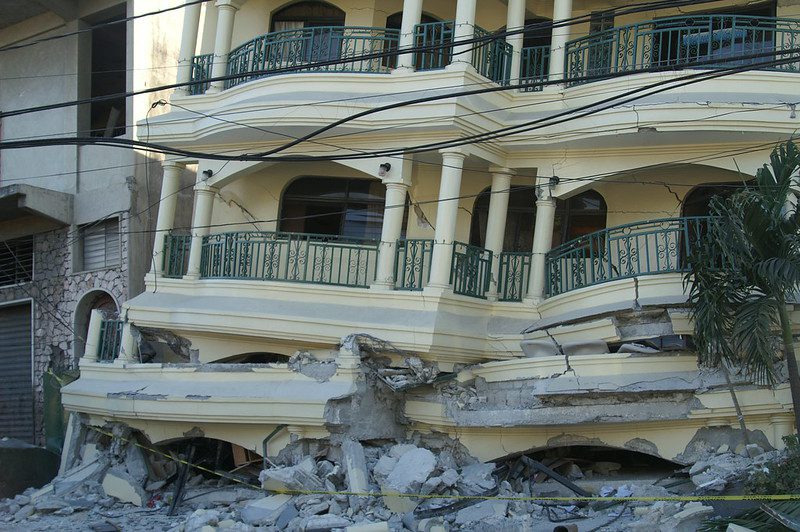
 Historically, Haiti has been one of the most vulnerable countries to natural disasters worldwide, with more than 96% of the population exposed to hurricanes, floods, earthquakes and more. These natural disasters in Haiti only make living in poverty more challenging.
The State of Poverty in Haiti
Due to political, economic and social issues, the poverty rate in Haiti aligns with the World Bank’s extreme poverty line; as of 2021, 30.3% of people in Haiti live on less than $2.15 a day. The state of politics in Haiti has been particularly precarious in the 2020s due to the assassination of President Jovenel Moise in 2021. Furthermore, gang violence in Haiti has increased to the point where the Mercy Corps humanitarian group has declared that the country is on the “brink of civil war.”
The gang violence and political instability in Haiti have worsened poverty rates due to a lack of security and safety; families cannot easily access food and clean water, or go to a hospital or health clinic for fear of being kidnapped or killed by gang members. What’s more, cholera rates have shot up, with 400 weekly cases reported from July 1, 2023.
Thus, the effects of natural disasters in Haiti have impacted already poor living conditions and increased the rate of poverty significantly.
Rate of Natural Disasters in Haiti
The World Bank records show that from 1980 to 2020, Haiti experienced a multitude of floods, storms, landslides, droughts, epidemics and earthquakes. The most frequently occurring of these events annually are floods, with an average of 57 taking place yearly from 1980 to 2020.
In June 2023, Haiti was hit particularly hard by a consecutive flood and earthquake. Mere days after flash floods had displaced 13,000 people and killed 50, a 5.5 magnitude earthquake occurred and destroyed houses, hospitals and roads. According to reports, the death toll stands at four and the number of injured people is 37. Many people were unable to receive medical attention at hospitals due to destroyed roads both caused and worsened by the flood and earthquake combined.
Dr. Didinu Tamakloe, country director for Project Hope, said to The Guardian, “Disasters keep hitting Haiti, left and right. People have not had sufficient time to recover from previous disasters…” Haiti’s vulnerability to natural disasters is partly due to its position on a fault line between two huge tectonic plates: the North American plate and the Caribbean plate. When these plates shift, Haiti is the most susceptible to any effects it causes. The World Bank states that the frequency of natural disasters in Haiti is also due to its location in the path of Atlantic hurricanes, as well as the steep structure of its land.
The high rate at which natural disasters occur in Haiti results in a lack of time to recover between disasters. Shortages of resources like food and water often cannot be resolved in time, and structures often cannot be rebuilt before they are affected once more. Therefore, natural disasters in Haiti are a significant driving force behind its high poverty rate.
The 2010 Earthquake
Another natural disaster in Haiti this century was the earthquake of January 2010, where up to 100,000 people were killed. The fallout of the earthquake left many residents with no access to water, finances, food, shelter and medical equipment. Many were still digging in the rubble for missing loved ones two days after the earthquake occurred.
Much like in 2023 and 2021, charities did whatever they could to help. For example, the U.N. raised more than £107 million in appeal donations and helped at least 1.8 million people.
What Is Being Done To Help
The Red Cross is constantly helping Haiti in many ways. As of this article’s publication, aid for Haiti is still in its early stages. NGOs are being organized to send to the country to provide assistance, and political negotiations are taking place with Haiti’s prime minister calling for troops from the U.N. to help gain control amid the rising gang violence.
Charities including UNICEF, the World Food Program (WPF) and the International Organisation for Migration, are working with the Office for the Coordination of Humanitarian Affairs to help those affected by the earthquake and floods. The World Food Program is set to distribute 350,000 hot meals to those displaced by the disasters.
In the aftermath of the August 2021 Earthquake:
- Six Red Cross ambulances were deployed to transport people from affected areas to health centers.
- 25,000 people were provided with essentials like hygienic supplies, blankets, tarpaulins, etc.
- 32 volunteers worked with Restore Family Links to reunite separated loved ones.
- Volunteers continually assessed the damage and provided aid where needed.
While the rate of natural disasters in Haiti is detrimental to the country’s stability, the assistance provided by charities like the Red Cross is what helps them to recover and persist.
– Jess Wilkinson
Photo: Flickr

4 More Podcasts that Highlight Global Poverty
4 Podcasts that Highlight Global Poverty
Understanding Poverty with Podcasts
This variety of podcasts that highlight global poverty can allow listeners to engage routinely with a subject that has large implications for a fair quality of life throughout the world. Even one episode from any of these podcasts can offer an enlightening and informative experience. Check out these podcasts that highlight global poverty today.
– Katrina Girod
Photo: Unsplash
The Borgen Project podcast is available on Apple, Spotify and most streaming platforms. Subscribe to have the latest episodes appear on your podcast feed. You can also find clips of episodes on YouTube and Tiktok.
Listen to “The Borgen Project Named Top 9 Global Nonprofits… Oh Yeah!” on Spreaker.
USAID in Ghana: A New and Revolutionary Global Health Partnership
A Forgotten Region
The partnership will focus on supporting Ghana’s North: the Upper West, Upper East, North East, Savannah and Northern Regions. Global Health initiatives supported by USAID in Ghana have not previously focused on these areas, despite the fact that they require the most aid as they have been excluded from positive trends regarding poverty and life expectancy in the country.
According to a report by the U.N., the percentage of Ghanaians living in poverty fell from 52% in 1992 to 29% in 2006. However, that same report states that, in the Northern Region, the poverty rate only fell from 63% to 52% over the same period, and actually increased in the Upper East Region, from 67% to 70%. From 2006 to 2012, some improvement was observed in these areas, particularly the Upper East and West, where rates declined from 73% to 44% and 89% to 71% respectively. However, progress in the Northern Region was still slow over this period and these three areas still have the highest rates of poverty in Ghana. These high poverty rates mean that Universal Health care will have the greatest impact on Ghana’s North since medical bills are a greater burden for those living in poverty. Additionally, the area currently lacks basic health care services because it is so far away from Accra.
Plan of Action
The agreement will focus on the following three key areas of health care in Ghana:
Currently, Ghana’s primary health care system is the Community-Based Health Planning and Services (CHPS). For the last 20 years, it has aimed to reduce inequalities relating to health care by providing care in rural communities, particularly to women and children.
The partnership will build on this preexisting system, while also strengthening the quality of health services by working with health centers.
So far, USAID has promised to give $135 million to the project, between 2023 and 2027. KOICA, the Korean overseas aid department, has promised $22 million, while JICA has not yet laid out a figure since it is awaiting approval, but promises to invest its financial and technical resources once that approval is obtained.
This aid could not come at a better time, since the country is currently recovering from the COVID-19 pandemic, despite the help from USAID in Ghana in the form of case management and donation and deployment of vaccines. Additionally, Ghana is looking to strengthen its health care system to prevent any future pandemic threats.
Problems to Solve
Ghana is currently facing a vast range of threats to its citizens’ health, one of the greatest being malaria. Malaria is constantly present in all areas of Ghana, and it is among the 15 highest malaria-burdened countries in the world. Around 2% of global malaria deaths can be attributed to Ghana. However, in 2020-2021 cases remained stable and deaths fell by 1.7%, a small margin but a step in the correct direction. Additionally, access to insecticide-treated nets (ITNS) has seen a steady increase and stood at 67% in 2019. However, the use of these nets has not increased at the same rate and was only 43% in 2019.
Another major health problem faced by Ghanaians is HIV/AIDS. A 2019 study found HIV prevalence to be around 1.6%. The groups most affected were men who have sex with men and female sex workers. Currently, Ghana’s strategic plan for HIV, which began in 2021 and will continue through 2025 involves a 95% goal for testing, treatment and viral suppression targets. Aid from the partnership will contribute toward this goal.
This partnership marks a new frontier for USAID in Ghana. By collaborating, the three countries’ aid agencies have the potential to produce a coordinated, more efficient response to improve health care in Ghana, achieve the goal of universal health care and help people living in poverty.
– Lily Cooper
Photo: Flickr
2023 Named the “Year of the African Continental Free Trade Area”
In 2023, the Assembly of Heads of State and Government of the African Union (the AU Assembly) adopted the “Acceleration of AfCFTA Implementation” as the theme of the year. By making 2023 the Year of the African Continental Free Trade Area (AfCFTA), the AU hopes to make major breakthroughs in its implementation by increasing the political commitment of member states and the different stakeholders and improving their collaboration.
The AfCFTA Alleviating Poverty
The Year of the African Continental Free Trade Area, one of the major projects outlined in Agenda 2063 of the AU, is set to greatly contribute to the alleviation of poverty in Africa. By eradicating barriers to trade and expanding commerce within the continent, the program has the creation of a unique African market as its goal. It aims to achieve development in a sustainable and inclusive manner and to ensure food security and the development of the agricultural and industrial sectors.
With 55 member states of the AU and an expected 2050 population of 2.5 billion, the AfCFTA is also set to be the world’s largest free trade zone since the World Trade Organisation was formed, and per the World Bank estimates, it will increase the continent’s income by $450 billion by 2035.
All of this will have a major impact on poverty in Africa. The program should enable around 30 million people to leave extreme poverty. Another 68 million will be able to escape moderate poverty. By creating employment and enhancing sustainable development, the AfCFTA will significantly improve the African population’s average quality of life.
The AfCFTA Roadmap
However, 2023 being the Year of the AfCFTA has had non-negligible advantages. In July 2023, the AU’s Mid-Year Coordination Meeting remarked that the negotiations on the “strengthening of infrastructure through the corridor approach”, which had been stalling before, were now completed. The AfCFTA implementation has thus been accelerated and is on the right path to one day generate significant income and jobs for the continent, thus benefiting millions of people in poverty and the world economy.
A Focus on Women and Youth
The AfCFTA project also aims to guarantee socio-economic inclusiveness across the continent by facilitating women’s and youth’s access to cross-border trade. With Africa’s population being the youngest in the world (people under the age of 30 make up 70% of the overall population), and women being major participants of cross-border activities in Africa, their involvement in the development of the AfCFTA is essential. However, social inequalities in Africa impede women’s participation in the economy, thus pushing them into the informal sector. Like young people, women are disproportionately impacted by financial and systematic obstacles and lack of employment.
Among its objectives, the AfCFTA wishes to address this situation by including a Protocol on Women and Youth in Trade in the Agreement on the AfCFTA.
Discussions on the Protocol, which had already been held in 26 countries before the start of the Year of the AfCFTA, have been a forum for African women in trade to shape their participation in the project and address the challenges they face today. The Protocol aims to find solutions to abolish the structural obstacles that women and youth face in trade, such as significant trade tariffs, or gender-based violence.
The inclusion of women and youth in the implementation of this program is paramount to the sound development of the trade area and the African economy. It is also essential to ensure that this important part of the African population is lifted out of poverty and can access better welfare.
The Road Ahead
Despite the progress made in the 2023 Year of the AfCFTA, there is still work ahead to ensure its full implementation. Notably, the project is still in need of investment and hampered by infrastructure issues. However, the AU has made impressive strides toward the trade area’s full development in the past years and in 2023 alone, which shows its eagerness to succeed in this endeavor. If the AU achieves the full implementation of the program, it could mean unprecedented benefits for both the African and world economies. The potential for poverty alleviation it holds would be revolutionary for the African population.
– Kenza Oulammou
Photo: Unsplash
Renewable Energy Projects on Tribal Lands
Energy Poverty in Reservations
According to the U.S. Census Bureau, about a third of U.S. Natives are forced to live on reservations. These are located in extremely remote locations set aside by the Treaty of 1868. Many U.S. Natives are denied basic necessities as a result, including electricity and running water. Such a separation can lead to extreme poverty and unemployment. In the Navajo Nation alone, 35.8% of households live below the poverty threshold. This is extremely high when compared to the national average of 12.7%.
To address this issue, Sandia National Labs has led a number of renewable energy projects on Native lands. The successful projects have created solutions to resolve both energy poverty and the economic needs of Native tribes. Listed are five benefits of such projects, taking the Aqua Caliente Solar Installation in Arizona and the Campo Kumeyaay Wind Farm in California as great examples of successful projects.
5 Benefits of The Ongoing Projects
Some Remaining Hurdles and Future Plans
Some hurdles still need to be overcome when it comes to renewable energy projects. Although they are a great source of renewable energy, wind farms are known to harm wildlife, especially migrating birds. Many locals have raised concerns about this problem. The Campo Kumeyaay Nation has stated that their experts are currently working on ways to make their wind farms as safe as possible for wildlife.
At present, Sandia National Labs Indigenous Energy Experts are considering a number of new projects, such as renewable energy storage and nuclear power. Many hurdles had to be overcome to implement both the Aqua Caliente Solar Panels and the Campo Kumeyaay Wind Farm, but as a result of both, people from tribes of the Aqua Caliente and Campo Kumeyaay regions have begun to overcome poverty while becoming key leaders of renewable energy projects.
– Sophia Holub
Photo: Unsplash
Farmers Using Electric Tractors in India: A Growing Trend
Fossil fuels power most of the machinery that the domestic tractor industry has manufactured, and the International Council on Clean Transportation (ICCT) estimates that diesel-powered tractors in India consume almost 8% of all the country’s fuel per year, close to the amount of all of its buses. In recent years, however, India’s tractor industry has imported and produced electric tractors, with Sonalika manufacturing the country’s first electric tractor in 2020. Introducing electric tractors in India on a widespread scale would offer several benefits to some of the country’s most impoverished residents.
Health Benefits Over Diesel
The primary benefit that electric tractors offer Indian farmers over diesel-powered tractors is their ability to help mitigate the issue of air pollution. Though the focus is often on cities when talking of poor air quality in India, air pollution in many rural areas of India is practically as high as levels in urban regions. The 2022 State of Global Air Report revealed that 1.6 million people in India died due to air pollution in 2019. What’s more, research shows that premature death due to air pollution alone is three times as common in rural areas compared to urban areas.
Expanding the use of electric tractors in India would help address this disparity as they are emission-free. Non-electric tractors, on the other hand, contribute to air pollution, and the ICCT approximates that diesel-powered tractors in India released “about 25 kilotonnes of particulate matter and almost 300 kilotonnes of nitrogen oxides as of 2020”. Electric tractors would lower the amount of pollution that rural Indians endure, making the air cleaner, safer and preventing deaths.
Another health benefit of electric tractors is that they are significantly quieter than non-electric tractors. Many tractors that run on fossil fuels have loud engines that can reach 100 decibels, a level that is capable of causing hearing damage after 15 minutes of exposure. Electric tractors, on the other hand, do not depend on an engine for power and therefore can operate at volumes that are much safer for farmers’ ears. Electric tractors would protect Indian farmers’ hearing and prevent them from needing hearing aids in the future or from being unable to afford any medical devices and instead being forced to take on the risks of working with hearing loss.
Financial Considerations
Although it’s true that the current price of electric tractors in India can often be twice that of diesel-powered machinery, which can be a barrier to the adoption of electric farm equipment, the ICCT calculates that the 10-year cost of owning and using an electric tractor is almost the same price as a traditional tractor. The reason for this is that electric tractors are 90% efficient in converting thermal energy to mechanical energy, whereas diesel-powered tractors are less than 30% efficient in completing the same task. Farmers who own electric tractors, then, can get more bang for their buck when it comes to powering and using their machinery, and end up spending less on energy in the long run.
Electric tractors also require less maintenance because they do not rely on an engine to run, meaning fewer parts could become damaged and require repair or replacement. This feature would allow farmers to save money and give them peace of mind regarding the durability of their electric equipment.
Regarding the financial downsides of non-electric tractors, diesel fuel is subject to frequent price fluctuations and is affected by geopolitical events like the ongoing Ukraine war. Electric tractors do not suffer from this risk of volatility in terms of the price of charging up machinery, and therefore provide farmers with a greater amount of financial security.
Looking Ahead
While there are currently no up-front incentives offered to buyers of electric tractors in India, the good news is that India’s government currently has several policies in place for electric on-road vehicles that it could easily extend to electric tractors. One of these policies is the FAME II scheme that, if applied to all zero-emission equipment in India, would provide subsidies that would lower the price of electric tractors to near, or even below, that of diesel machinery. The Society of Manufacturers of Electric Vehicles (SMEV), India’s association of electric vehicle manufacturers, has already called on the Indian government to extend subsidies to electric off-road equipment in their Union Budget for the 2023-2024 fiscal year.
While India’s national and individual state governments have implemented measures to fight air pollution, talks of lowering emissions have often overlooked rural areas. As electric tractors in India become adopted more and more, the nation’s farmers and other rural residents will finally be able to rest — and breathe — easy knowing they are reaping most of the benefits.
– Sofia Oliver
Photo: Unsplash
How Natural Disasters Are Worsening Poverty in Haiti
The State of Poverty in Haiti
Due to political, economic and social issues, the poverty rate in Haiti aligns with the World Bank’s extreme poverty line; as of 2021, 30.3% of people in Haiti live on less than $2.15 a day. The state of politics in Haiti has been particularly precarious in the 2020s due to the assassination of President Jovenel Moise in 2021. Furthermore, gang violence in Haiti has increased to the point where the Mercy Corps humanitarian group has declared that the country is on the “brink of civil war.”
The gang violence and political instability in Haiti have worsened poverty rates due to a lack of security and safety; families cannot easily access food and clean water, or go to a hospital or health clinic for fear of being kidnapped or killed by gang members. What’s more, cholera rates have shot up, with 400 weekly cases reported from July 1, 2023.
Thus, the effects of natural disasters in Haiti have impacted already poor living conditions and increased the rate of poverty significantly.
Rate of Natural Disasters in Haiti
The World Bank records show that from 1980 to 2020, Haiti experienced a multitude of floods, storms, landslides, droughts, epidemics and earthquakes. The most frequently occurring of these events annually are floods, with an average of 57 taking place yearly from 1980 to 2020.
In June 2023, Haiti was hit particularly hard by a consecutive flood and earthquake. Mere days after flash floods had displaced 13,000 people and killed 50, a 5.5 magnitude earthquake occurred and destroyed houses, hospitals and roads. According to reports, the death toll stands at four and the number of injured people is 37. Many people were unable to receive medical attention at hospitals due to destroyed roads both caused and worsened by the flood and earthquake combined.
Dr. Didinu Tamakloe, country director for Project Hope, said to The Guardian, “Disasters keep hitting Haiti, left and right. People have not had sufficient time to recover from previous disasters…” Haiti’s vulnerability to natural disasters is partly due to its position on a fault line between two huge tectonic plates: the North American plate and the Caribbean plate. When these plates shift, Haiti is the most susceptible to any effects it causes. The World Bank states that the frequency of natural disasters in Haiti is also due to its location in the path of Atlantic hurricanes, as well as the steep structure of its land.
The high rate at which natural disasters occur in Haiti results in a lack of time to recover between disasters. Shortages of resources like food and water often cannot be resolved in time, and structures often cannot be rebuilt before they are affected once more. Therefore, natural disasters in Haiti are a significant driving force behind its high poverty rate.
The 2010 Earthquake
Another natural disaster in Haiti this century was the earthquake of January 2010, where up to 100,000 people were killed. The fallout of the earthquake left many residents with no access to water, finances, food, shelter and medical equipment. Many were still digging in the rubble for missing loved ones two days after the earthquake occurred.
Much like in 2023 and 2021, charities did whatever they could to help. For example, the U.N. raised more than £107 million in appeal donations and helped at least 1.8 million people.
What Is Being Done To Help
The Red Cross is constantly helping Haiti in many ways. As of this article’s publication, aid for Haiti is still in its early stages. NGOs are being organized to send to the country to provide assistance, and political negotiations are taking place with Haiti’s prime minister calling for troops from the U.N. to help gain control amid the rising gang violence.
Charities including UNICEF, the World Food Program (WPF) and the International Organisation for Migration, are working with the Office for the Coordination of Humanitarian Affairs to help those affected by the earthquake and floods. The World Food Program is set to distribute 350,000 hot meals to those displaced by the disasters.
In the aftermath of the August 2021 Earthquake:
While the rate of natural disasters in Haiti is detrimental to the country’s stability, the assistance provided by charities like the Red Cross is what helps them to recover and persist.
– Jess Wilkinson
Photo: Flickr
Mozambique’s Current Poverty Problem: The Latest Update
5 Important Facts about Mozambique’s Current Poverty Problem
Potential Solutions in the Economy
The future of Mozambique’s economy is looking positive. Mozambique’s economy is on the rise and making strides with an offshore project in the liquefied natural gas industry already operational. Mozambique also expects to kick off larger-scale projects in 2026 and 2028. Furthermore, the World Bank predicts economic growth will accelerate 6% from 2023 to 2025.
The World Bank is playing a pivotal role by supporting the SWIOFish Project. By boosting fish stocks and cracking down on illegal practices, this project is restoring livelihoods and providing financial assistance to fishing associations in Mozambique. Women are particularly benefiting through increased access to savings, loans and opportunities for business expansion.
The progress of Mozambique’s economy is positively impacting poverty reduction efforts benefiting over 200,000 individuals — more than 40% of whom are women. Upgrades have been made to around 200 kilometers of roads, while 139 kilometers of water distribution networks have been improved. These enhancements enable farmers to access markets and provide improved water sources for over 32,000 people. All of these positive results are the consequence of The Integrated Growth Pole Project, supported by the World Bank. To further stimulate growth in Mozambique, a new project called “The Access to Finance & Economic Opportunities Project” has received approval.
Looking Ahead
Despite Mozambique’s current poverty problem, inequitable access to essential services, high poverty rates, gender inequality and an ongoing military conflict, hope is on the horizon. The beginning of the offshore LNG project and expected economic growth in the near future reflects excellent potential for the country. Furthermore, the World Bank’s backing of initiatives such as SWIOFish and The Integrated Growth Pole Project has already significantly reduced poverty. With concentrated efforts to work on these issues and help from other countries, Mozambique can prevail over its setbacks and shape a brighter future for its people.
– Elizabeth Antenucci
Photo: Unsplash
How Poverty and Mental Disorder Diagnosis Are Interconnected
According to the World Health Organization (WHO), as of 2017, the incidence of mental illnesses increased by 13% worldwide. With the COVID-19 pandemic, beginning in 2020, anxiety and depression increased by 25%. Much of the burden of mental illness is still concentrated in low-income, developing countries. Here is some information about some of the issues impacting mental disorder diagnosis for low-income populations and what can be done to provide equal care.
Mental Health in Developing Countries
There is a strong association between poverty and mental illness. Lower SES is associated with a higher risk of mental disorder diagnosis. Poverty can lead to poor physical health, which is often comorbid with mental disorders. These health issues give rise to higher spending on treatment which feeds back into the cycle of poverty. Dynamics like these are especially pronounced in developing countries where factors such as war and natural disasters exacerbate negative outcomes. The WHO reports that one in five people affected by conflict will develop conditions like anxiety, depression and post-traumatic stress disorder.
Receiving a Diagnosis
Developing countries face a variety of barriers to mental health diagnosis. Many people are unable to receive a diagnosis due to unavailable or unaffordable health care. Countries like Afghanistan and Ghana only have 0.296 and 0.065 psychologists per 100,000 people, respectively. When people are able to find a practitioner, they may not be able to afford their services. A 2019 report by the World Bank said that populations in developing countries spent $500 billion out of pocket on health care.
While rates of mental illness in developing countries are already high, the lack of access to health care raises the question of whether these statistics are accurate or if some are falling through the cracks without being diagnosed.
Misdiagnosis
When people in these areas are able to be diagnosed, they may not receive the most accurate diagnosis. A study conducted in six low- and middle-income countries in Africa and South Asia reported poor training for mental health professionals and inadequate knowledge of mental health issues. Without a proper understanding of the complexity of mental health, providers can make mistakes with serious consequences. There is evidence that racial and ethnic minorities, who are disproportionately affected by poverty, are also more likely to receive an incorrect mental disorder diagnosis. Some of this may be due to bias and discrimination.
Another factor impacting diagnosis is culture. Diagnostic manuals tend to be written from a Western perspective that does not always translate to other cultures. For example, patients may vary in the types of symptoms they present with. Asian patients are more likely to report physical symptoms than emotional ones. Cultural background may also prevent people from seeking out treatment. Physicians must keep these cultural differences in mind to ensure that an accurate mental disorder diagnosis is made.
Stigma Surrounding Diagnosis
The stigma surrounding mental disorders is prevalent cross-culturally. In some countries, mental health is rarely discussed openly and is treated as a taboo subject. In Ghana, for instance, those suffering from mental illnesses are isolated. They may decide not to seek treatment or express their feelings due to shame. Those already diagnosed often face harmful stereotypes and social ostracization.
Stigma stems from various factors, but insufficient mental health literacy is one of the greatest contributors. This includes both academic research on mental health and widespread knowledge among the general public. Developing countries tend to fall behind in mental health research. Improving educational efforts to increase mental health awareness is shown to be effective in reducing public stigma.
A Brighter Future
Though there are many issues surrounding mental disorder diagnosis, there are steps that can be taken to improve the situation. Huesofthemind Wellbeing Foundation (HOTM) is one nonprofit that is spreading awareness about mental health. Founded in India, HOTM is a member of the United Nations SDSN Youth. The organization breaks down mental health stigma by providing workshops and running campaigns to spread awareness. Topics range from educational stress and burnout to dance therapy. The organization features lists on its website of mental health professionals available to provide online therapy. For those who cannot afford professional help, HOTM offers free resources to learn about mental disorders and share personal stories to connect with others. Free, online resources are a valuable tool, both for people who are newly diagnosed and others who are farther along in their mental health journey.
Mental health is an integral part of overall well-being. For many, a mental disorder diagnosis can be the first step toward improving their health. Improving access to quality mental health care and education ensures a brighter future for all.
– Yesenia Aguilera
Photo: Flickr
Addressing Stigma Regarding Mental Health in Tunisia
Tunisia, a center of Arab culture and home to 11.7 million Tunisians, has been making significant strides in improving its care for mental health across all stages of life. Battling the overwhelming stigma and discrimination against individuals facing mental health issues, Tunisian citizens have been working diligently to change attitudes toward mental health in their country. Mental health in Tunisia ranges from disorders to everyday anxiety struggles; however, most cases go undiagnosed as many are afraid to bring upon themselves the stigma associated with being publicly labeled as a person with a mental health disorder. Nonetheless, consistent effort to reduce mental health stigma has improved Tunisia’s overall public health.
The Conception of Mental Health Among the Youth
Since 2012, International Alert, a peacebuilding organization, has been working with Tunisia to support a peaceful democratic transition, guaranteeing the inclusion of excluded and marginalized groups. In 2022, they conducted a survey-based study to analyze the impression of mental health among Tunisian youth and their personal experiences with mental health struggles. The study concluded that Tunisia’s youth lacked knowledge about mental health. However, when questioned about mental health in Tunisia, there were both positive and negative responses. A significant number of participants rated their mental health negatively and were reluctant to admit their struggles with mental health issues. They were also hesitant to seek assistance from mental health facilities or psychologists, despite being aware of the need for professional help.
Obstacles: Institutional and Social
There are two types of obstacles evident in the study: institutional and social obstacles. These two categories can be intertwined and mutually reinforcing. For instance, the lack of accessible services has resulted in an absence of a mental health culture in Tunisia. Additionally, the cost of treatment further exacerbates the issue of inaccessibility for marginalized and discriminated groups in Tunisia. The stereotypes that arise from the absence of a mental health culture have led to prejudice, stigma and bullying against individuals who struggle with mental health issues daily.
READ Training
Based on the background information regarding mental health in Tunisia, it is evident that both social and institutional changes are necessary. In 2017, a team of psychiatrists from Razi Hospital initiated the Responding to Experienced and Anticipated Discrimination (READ) program. This program aims to provide anti-stigma training to medical students at Tunis Medical School. The effectiveness of this training has been demonstrated in high-income countries, raising hopes among professionals for similar outcomes in Tunisia.
The main goal of the Tunisia READ training is to build people’s knowledge of stigma and combat its daily effects on individuals. Awareness of attitudes towards mental illness and psychiatry is the first step towards improvement because recognizing a problem is essential to fixing it. Following this goal is the aim to reduce discriminatory behavior towards individuals with mental health disorders and their caregivers.
Despite the initial challenges posed by the pre-existing attitudes of medical students and citizens, the trainers of this program persevered and remained consistent in their goals. They actively engaged with people to implement an improved attitude towards mental health in Tunisia.
Conclusion
In conclusion, Tunisia has been actively addressing the stigma surrounding mental health and making efforts to improve the overall care for individuals facing mental health issues. The study conducted among Tunisian youth highlighted the lack of knowledge and reluctance to seek professional help, indicating the need for institutional and social changes. Initiatives like the READ training program have shown promise in raising awareness and combating stigma, with dedicated trainers working persistently to foster a positive attitude towards mental health in Tunisia. Continued efforts and consistent engagement are crucial for achieving lasting improvements in mental health care and reducing discrimination in the country.
– Sandy Kang
Photo: Pixabay
How BUVAD is Helping Indigenous Ugandans
Uganda is an especially impoverished nation, with 41% of the population living in poverty. Although the country receives aid and help from other countries, it is also home to many nonprofits that seek to provide additional help to the country’s citizens. Many of the county’s nonprofits are located in more urban areas of the country, such as Kampala. The Butakoola Village Association for Development (BUVAD) is one of the few nonprofits aiming to specifically help one of the country’s most struggling populations — Indigenous Ugandans. BUVAD is a volunteer-run and Indigenous-founded nonprofit started in 2000 that aims to help all Ugandans — and especially Indigenous Ugandans — improve their overall quality of life. One of the most unique parts about BUVAD as a nonprofit is its variety of approaches to achieving its goals.
Women’s Economic Empowerment
One of the most unique groups that BUVAD is helping is female entrepreneurs. To do this, they started a microloan program for women with small businesses to receive money intended to go towards anything to help their business grow. Since the start of the program, 20 more women have joined and are currently receiving microloans for their businesses. Some businesses that BUVAD says these microloans have gone towards are mat-making, basket-weaving and beer-brewing businesses owned by women in Uganda. This program also creates a network for women receiving the loan, which has resulted in these women regularly holding meetings and helping each other with their businesses.
These microloans have helped women business owners, which is especially important in Uganda. In Uganda, nearly 40% of all businesses are owned by women, but women entrepreneurs earn 30% less profit compared to male entrepreneurs. By continuing to support women-owned businesses, perhaps the stigma surrounding businesses owned by women in Uganda will become less severe and profits will begin to become equal between genders.
HIV/AIDS Prevention and Support
BUVAD is helping lower Uganda’s HIV/AIDS infection rate as well. The nonprofit takes the approach of normalizing Ugandans to HIV/AIDS prevention methods by integrating the information into workshops about other topics. For example, in a workshop about bottle brick technology, BUVAD includes information about HIV/AIDS prevention, normalizing discussion about the disease in Uganda. This is especially needed in Uganda, with the HIV/AIDS infection rate in some areas of the country reaching as high as 8%, and the highest-infected areas also being the most impoverished. By normalizing discussion of HIV/AIDS and ways to prevent it, BUVAD hopes to reduce the disease’s infection rate in Uganda and get more of those who are infected on preventative medication.
Water, Sanitation and Hygiene Support
BUVAD’s most comprehensive program is one that focuses on water, sanitation and hygiene support for Ugandans, which the program aims to do by executing six main approaches to the issue. These are to promote regular handwashing, safeguard vulnerable communities against preventable water-spread diseases, improve water and toilet coverage levels, improve water sanitation and hygiene levels, improve awareness of government water programs and ensure the safety and consistent maintenance of safe water sources.
Water safety is an especially prominent issue in Uganda, with more than 20 children being admitted to the hospital per week in Kayunga, a district in Uganda, due to water safety-related issues. BUVAD helps these children directly by creating 10,000-liter tanks out of recyclable plastic for primary schools in Kayunga to store safe water. Water safety in Uganda is considered a crisis, with 83% of the country’s population lacking access to clean water. By creating direct approaches to providing clean water like BUVAD is doing, the water safety crisis will slowly become less of an issue over time.
BUVAD’s Multifaceted Work in Uganda
Although most nonprofits tend to approach one main issue out of fear of spreading resources thin, BUVAD has managed to address a multitude of issues effectively while still being able to consistently create new initiatives and approaches to issues. By continuing to do this, BUVAD will continue to help lift Ugandans out of poverty and help the country improve in both health and economy.
– Aidan Johnstone
Photo: Flickr