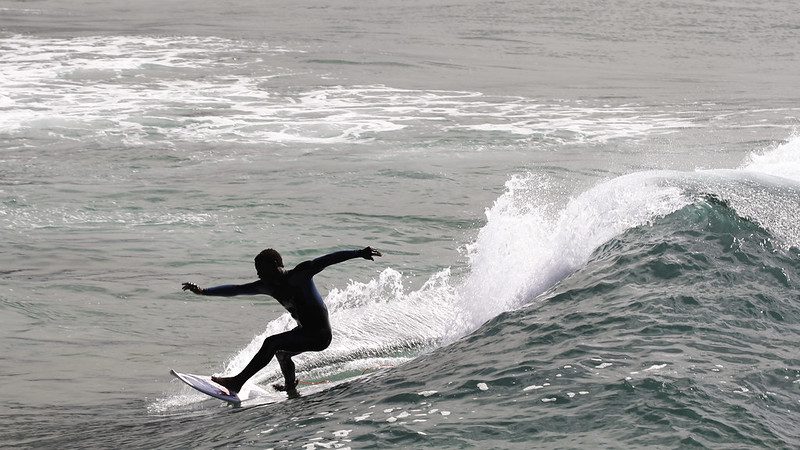
 The imagery of the breezy, laid-back Californian surfer has dominated the popular view of surfing over the years. Easygoing and happy-go-lucky, the figure of the surfer has come to symbolize the very notion of what it means to be young and free in a capitalist society. Yet, far beyond the shores of California to South Africa’s “Surf City,” the sport symbolizes much more than this. It plays an important role in helping vulnerable children who are growing up in post-apartheid South Africa to leave the street once and for all.
Homelessness in Durban
Located on the eastern coast of South Africa, Durban has a high population of youths — 38% of its population is under the age of 19.
However, the youth employment rate (the measurement of job seekers who are 15 to 24 years old) in South Africa is markedly low, at about 60%. Job losses are particularly high in industries such as food, textiles and clothing, making it difficult for young people to secure a living.
But one of the most pressing problems facing South Africa is its street child phenomenon. According to the Consortium for Street Children, there are currently hundreds of thousands of street children in South Africa.
Child homelessness is on the rise in Durban because of political violence, rapid urbanization and outbreaks of AIDS and HIV, resulting in many children losing members of their family.
Difficulties at home and at school have also contributed to an increase in the number of children actively choosing to live on the streets. In many cases, children feel that street life offers an escape from the harsh conditions of everyday life, and the charity Street Children found that 29.1% of street children surveyed in 2011 did not wish to leave the streets at all.
Even so, street life exposes children to a number of dangers, including sexual abuse and trafficking. These risks are further compounded by the lack of health and social services available to children in Durban.
The local authorities, who view street children as a public nuisance, are eager to keep the street child phenomenon hidden so that tourists are not deterred from visiting Durban. However, this only stigmatizes and alienates street children further, rather than getting to the crux of the problem.
Beach Apartheid
Many of the social and economic problems present in Durban today are a consequence of the apartheid period, which lasted from 1948 to 1994.
Apartheid was an institutionalized system that subjected Black people to racial segregation in every sphere of South African society. It was a system that even sought to marginalize Black people in the water.
The Natal and South African Surf Riding Championships welcomed pro-surfers from all around the world, placing South Africa firmly on the map. Yet Black people were excluded from competing, contradicting the so-called “freedom” that the sport promised young people.
That was until world-renowned surfers Tom Carroll, Tom Curren and Martin Potter boycotted the surfing competitions in 1985, forcing the industry to acknowledge the growing anti-apartheid movement.
Surfers Not Street Children (SNSC)
Fast-forward to 1998, surfer and activist Tom Hewitt MBE set up the Durban Street Team to help homeless children. The organization was renamed Surfers Not Street Children (SNSC) in 2012 and has since helped 1,800 vulnerable children.
While helping children to leave the streets was the organization’s main goal, many street children have also gone on to advocate further for their rights as a marginalized group. The organization operates in line with the U.N. Convention on the Rights of the Child to ensure that children are provided with the space to empower themselves without the fear of discrimination and shame.
In 2000, SNSC prevented local authorities from forcibly removing children from the streets, which is recognized as one of its most important achievements to date.
According to the organization, “Many children empowered by Surfers Not Street Children have transformed their lives. Some have gone from ‘street children’ to becoming coffee baristas, lifesavers, surf shop staff, restaurateurs, surf coaches and even pro surfers.”
South Africa’s Changing Tides
The organization is now expanding its influence to the shores of Mozambique, providing children with the life skills needed to tackle the social problems they face. SNSC has also gone on to set up an independent living program that is designed to provide financial and social aid to young people transitioning into adulthood once they have left the surfing program. Through invaluable mentoring sessions, SNSC is making sure that children are able to thrive as self-sustaining adults.
In honor of his outstanding work helping children in South Africa, Tom Hewitt received the Nelson Mandela Change Changemaker Award in May this year at an exclusive event in California. Hewitt told Carve magazine, “I am so thrilled to receive this award, which recognizes 25 years of pioneering work developing surfing as a tool for bringing about positive change. Not only are we working in the toughest environments and saving lives, but our surfers are at the heart of an exciting transformation in African surfing underway across the continent.”
Surfers Not Street Children is actively carving out the space for street children to challenge the status quo, break the poverty cycle and debunk the myth that surfing is a white man’s sport. In the 21st century, it is clear that this new generation of surfing youth is changing the tides by shifting the boundaries of who can and cannot ride the wave.
– Tatum Richards
Photo: Flickr

4 Facts About Mental Health in Turkey
The Prevalence of Common Disorders
According to the World Health Organization (WHO), the population of Turkey has confronted a surge in mental health challenges over recent years, with individuals grappling with anxiety and depression, stemming from factors like natural disasters, economic downturns and the ongoing COVID-19 pandemic. The WHO’s findings indicate a staggering 3.2 million people affected by depression, accompanied by an over 50% escalation in the usage of antidepressants during the past five years. With an increasing number of individuals in Turkey seeking medical support for their mental well-being, the prevalence of these issues underscores the significance of global education regarding the essential understanding of the mind on par with the physical body.
UOSSM
The Union of Medical Relief and Care Organizations (UOSSM), established in 2012 in France, is a collaborative effort of member organizations from countries including the United States, Canada, the United Kingdom, France, Switzerland and Turkey. Together, these members pool resources and coordinate projects to deliver relief and medical assistance to victims of war in Syria. Amid the complex relationship between Turkey and Syria, Turkey has extended aid to refugees seeking refuge within its borders. Throughout the past decade of the Syrian crisis, mental health has emerged as an enduring concern, growing even more pronounced due to the ongoing exposure to traumatic experiences. In response, Turkey has instituted an array of mental health programs and provided medications, aiming to alleviate the profound psychological distress endured by the affected population.
Psychiatric Hospitalization
Amidst the pandemic lockdown, notable trends have emerged in the realm of psychiatric conditions. While it is widely acknowledged that rates of patients grappling with anxiety and depression tend to surge during lockdown periods, a distinct rise in the diagnosis of bipolar disorders has also been observed subsequent to the pandemic quarantine. This uptick in psychiatric hospitalizations serves as a clear signal for policymakers to redirect their focus toward enhancing mental health services and implementing preventative measures to effectively manage the mental well-being landscape in Turkey before the situation gets worse.
Stigma and Awareness
As various nations grapple with distinct stigmas and societal expectations, these diverse social dynamics present barriers for individuals dealing with physical and mental illnesses. A social study has unveiled a correlation between supernatural causal beliefs and heightened stigma surrounding mental health. Conversely, the recognition of one’s ongoing stress levels has demonstrated a capacity to diminish this stigma.
Conclusion
In conclusion, Turkey’s intricate tapestry of diverse cultures stands as a testament to its remarkable evolution over the years. Turkey’s journey through economic, social and political changes has led to an elevation in the rates of common mental health issues within the population. Nevertheless, Turkey is dedicated to alleviating societal pressures by offering robust mental health services and resources for its citizens to rely on.
– Sandy Kang
Photo: Flickr
Poverty and Immunity: An Inextricable Correlation
Poverty emerges as a relentless enemy across nations, holding millions of lives at its mercy. While the implications of poverty on basic necessities have been studied, a consequence lies hidden within the fine lines of public health — the impact of poverty on the immune system. This article delves into the relationship between poverty and immunity in developing countries, exploring the lack of health measures, and how they intertwine to shape the vulnerability of populations.
Poor Sanitation Leads to Poor Immunity
Two billion people across the world lack access to clean water and proper sanitation measures, while 10% of the world’s population does not have latrines or means of disposing of waste. The outright lack of sanitation in almost all cases results in pollution of water and food resources due to frequent open defecation and improper treatment. Then begins the vicious cycle of illness, as the constant presence of bacteria in communities can be fatal.
With the constant onslaught of diseases due to substandard sanitation, the bodies of impoverished people can grow weaker without nutrients to strengthen them. A study that Parasite Immunology published states that parasites known as helminths modify the immune system of the host, which results in a damaged immune response to vaccinations and other pathogens.
Malnutrition and Immunity
Nourishing oneself is vital to provide nutrients to the body in order for several different organ and body functions to perform as normal. When a person does not ingest enough proper food, this can cause an entire host of issues for the body.
Nutrients that the body needs in small amounts are known as micronutrients. They are small portions of vitamins and minerals that produce substances necessary for the development of the body. Deficiencies in these nutrients are common in low-income countries due to the lack of proper nutrition, which can have damaging effects.
When there is a lack of nutrients in the body, infections that are contracted can prompt an immune reaction, showing another link between poverty and immunity. These infections can cause fever and bodily irregularities. Malnutrition is a major player in how severe an infection is — it is much more severe in those who have a lack of nutrients in their bodies to support the immune system’s counterattack.
Limited Access to Health Care
Without money, it is impossible to access health care across the world, especially as treatments evolve and become increasingly complicated. As a result, poor health restricts workers in developing nations from working properly — and this creates a merciless cycle, limiting one’s capacity to work to earn and to help themselves. Furthermore, several studies display that the wealthiest percentage of people are most often in good health because they are able to finance their health care while working.
Another grave issue that lack of health care poses in developing nations is an absence of treatments for chronic and incurable diseases. Diseases such as HIV/AIDS are extremely common in poor nations, as they often spread unchecked without a timely preventative response. This results in unbridled death rates and a weakening population that cannot take care of themselves.
With incurable diseases such as coronary heart disease and HIV/AIDS reigning at the top of prevalent diseases in developing countries, a lack of health care can cause the condition of populations to deteriorate. Both of these diseases gradually tear down the defenses of the immune system, and in the long term, carriers will be more susceptible to falling fatally ill from any disease in their path.
Making a Change
Though the situation may seem bleak regarding the link between poverty and immunity, there are millions of people working to turn it around. Detailed below are three programs that aim to combat the lack of sanitation, widespread malnutrition and lack of health care that so many poverty-stricken people face.
Looking Ahead
With organizations such as USAID working to allocate funds and resources to populations in need of food and water and The Bridge of Life providing life-saving health care to struggling populations, the state of these populations will improve extraordinarily over time. By empowering communities and providing necessities, it is possible to break down health care disparities and ensure a thriving future for people in developing countries.
– Divya Shankar
Photo: Pixabay
Combating Gun Violence in the DRC
The Disastrous Impact of Gun Violence in the DRC
The DRC has a long history of extreme violence and instability, extending from Belgium’s brutal colonial reign in the nation. But, following the Rwandan genocide and the influx of Hutu and Tutsi immigrants into the DRC, this violence greatly escalated and has utterly undermined the nation’s development – resulting in a poverty rate of more than 80%.
Gun violence in the DRC between rebels and pro-government forces has displaced around 6 million individuals and killed a similar number; mass rapes and massacres have grown tragically common. As a result of this destruction, currently, more than 4 million people suffer from malnutrition, and the education system is in shatters. This violence has shown no signs of stopping, as more than 100 armed groups are actively fighting in the Eastern part of the country over territory, natural resources and ethnic disputes.
Attempted Solutions
The DRC government has passed reforms and worked with international actors to address firearms. A product of the DRC’s limited governance is that the nation’s borders are extremely porous, meaning criminals easily traffic guns into the country. The DRC has participated in numerous workshops and forums with other nations to analyze flaws in their border security, strengthen cooperation with bordering countries and create action plans for reform. However, the DRC has struggled to implement meaningful border control legislation and still cannot realistically patrol most of its borders.
Even without the influx of new firearms, though, the country possesses enough weapons internally to maintain perpetual violence. The most recent comprehensive study from 2010 estimated there were more than 300,000 guns in the hands of civilians in the east of the country alone. As a member of the Regional Center on Small Arms (RECSA), a coalition of near-bye states that agreed to work together to reduce the number of small arms and light weapons, the DRC has taken steps to reduce the grip weapons have over the country. They have attempted voluntary gun collections to take firearms out of circulation, taken measures to protect state-owned stockpiles of guns from porous mismanagement and embarked on education campaigns to reduce the DRC’s cultural normalization of guns.
Additional Work Needed
While the DRC can embark on any number of avenues for firearm policy reform, enforcing real change has been challenging. Thus, as groups like the African Union have argued, the DRC must strengthen its government and crack down on corruption if it hopes to truly deal with the firearm issue. Moreover, given the weakness of its state, the DRC must willingly cooperate with other countries to crack down on guns (and vice versa).
For instance, NGOs have called on the DRC to join the Arms Trade Treaty (ATT), an international treaty that the UN adopted. The treaty would help the DRC gain external assistance in fighting the illegal distribution of guns to local militias within its borders. If the DRC can strengthen its own government and work successfully with international actors, then it could pass more ambitious reforms. For example, critics have argued that a more effectively run DRC could help demobilize fighters, trace guns and destroy a larger number of old firearms.
Conclusion
Gun violence in the DRC has submerged the nation under a perpetual downpour of blood. This violence has utterly destroyed the country’s ability to prosper and left its population trapped in unthinkable poverty. While many aspects of the DRC need drastic reform, at its core, the widespread prevalence of firearms enables this carnage and promulgates widespread poverty. The DRC has implemented moderate reforms and worked with outside actors to investigate the issue. However, the weak nature of the nation’s government means reformers have a long way to go.
– David Newman
Photo: Unsplash
The Support Program Reducing Child Poverty in Mongolia
Mongolia is an Asian country known for its vast landscapes and dry climate and is one of the world’s highest countries in terms of elevation. However, the country also suffers from a high rate of child poverty. Poverty is concentrated heavily in rural regions, often hours away from the nearest city. However, child poverty does still exist in cities like the capital, Ulaanbaatar, too. Recent investments by the government of Mongolia, however, have increased support for children. Here is some information about child poverty in Mongolia and what some are doing to resolve it.
Child Poverty Statistics
In Mongolia, the percentage of children living in poverty is higher than the percentage of the total population living in poverty (38.5% compared to 29.6%, respectively). Although poverty levels in rural regions have slightly declined in recent years, it has increased in urban centers.
Much of the economic growth in Mongolia has centered around the mining sector, whereas many of those living at or below the poverty line are low-skilled wage workers with lower levels of education.
Most poor children in Mongolia do not complete school through the secondary level and only 10% attend university, despite Mongolia having an overall high education attainment level in the region. This is because most of the children and young adults who receive high levels of education fall in the top 20% of income earners in the country. About half of individuals in this income level have obtained a university-level education.
Many poor people in Mongolia, specifically children, often lack basic services or needs such as clean water, heat and sanitation. In 2018, 70% of those living in poverty struggled to receive at least one of these basic services.
Efforts to Reduce Child Poverty in Mongolia
Those working in the herding industry have seen huge reductions in poverty levels in recent years. What was once one of the most impoverished professions in the country, only about a third of herders live below the poverty line today. Market connectivity, government support and more employment opportunities have contributed to this improvement.
In 2020, in response to the COVID-19 pandemic, UNICEF recommended to the Mongolian government that the most effective way to reduce poverty levels, which the pandemic exacerbated, was to increase funding for the country’s Child Money Program. This program provides monetary support to children across the nation. In response, the government provided an additional $300 million via the program, which helped more than two-thirds of all households.
Overall, despite the grim statistics, the country’s government has shown that it is willing and able to take steps towards reducing child poverty in Mongolia. With this continued support, as well as that from organizations like UNICEF, more children can have a better opportunity to receive a full education.
– Tristan Weisenbach
Photo: Wikipedia Commons
Economists Call for Action as Global Poverty and Extreme Wealth Rise
A group of leading economists has emphasized that neglecting to address the growing disparity between the wealthy and impoverished worldwide will reinforce poverty. Here is information about the letter they wrote that is acting as a call to action.
A Letter Demands Action
More than 200 senior economists have issued a call for action on rampant global inequality. In a letter directed to the UN Secretary-General, António Guterres, and the World Bank president, Ajay Banga, the signatories from 67 countries urged these two bodies to take more substantial measures to reverse the most significant increase in global inequality since World War II Those supporting the appeal for action include New Zealand’s former prime minister Helen Clark, former UN Secretary-General Ban Ki-moon and economists Jayati Ghosh, Thomas Piketty and Joseph Stiglitz.
The letter emphasizes that extreme poverty and extreme wealth have simultaneously surged for the first time in 25 years. Currently, the richest 10% of the global population takes 52% of global income, while the poorest half of the population earns merely 8.5% of it. The letter insists on improving the measurement of inequality and setting more ambitious targets to narrow income and wealth gaps.
With sharply rising food prices, billions of people face struggles against poverty and hunger. At the same time, the number of billionaires has doubled in the last decade.
Global Setbacks
The economists’ call for action arose on the same day Russia withdrew from a critical UN-brokered deal, which permitted the export of grain from Ukraine via the Black Sea. The collapse of this agreement poses a severe threat of increasing food prices worldwide, plunging millions more into hunger.
In 2015, almost all governments in the world adopted the 17 UN Sustainable Development Goals (SDGs), which include the goal of reducing inequality by 2030, known as “SDG 10.” However, five years later, the World Bank reported that the COVID-19 pandemic drove the largest annual rise in global inequality in three decades. SDG 10, based on the World Bank’s Shared Prosperity goal, does not adequately measure or monitor key aspects of inequality. Household surveys provide evidence that one in five countries with a positive trend in Shared Prosperity also experienced an increase in inequality according to other measures like the Palma Ratio. These countries include Chile, Mongolia and Vietnam.
Looking Forward
The World Bank is currently reviewing its Shared Prosperity goal. The World Bank has the opportunity to actively strengthen this goal of assessing inequalities across the whole spectrum of income and wealth distribution.
Significant advances in inequality data, including more accurate estimates of top incomes, have facilitated a new generation of policy-making based on a clear distributional analysis of the impact of policy changes. Pushing these advancements further can allow every government to conduct high-level inequality analysis.
The World Bank and the UN are in a special position to urgently offer a rallying call for reducing inequality in today’s divided world. The World Bank and the UN SDGs can make better metrics for wealth, income and wage shares of national income with a focus on the global level.
The economists’ call for action has the potential to motivate the World Bank, the UN and governments worldwide to work toward reducing global poverty by addressing the vast economic inequality between the wealthy and the poor.
– Marisa Del Vecchio
Photo: Flickr
Overcoming Barriers to Medical Services in Developing Nations
The Challenge of Economic Barriers
Economic constraint is one of the most pervasive barriers to health care in developing nations. Many individuals simply cannot afford medical care, including essential treatments and medications. High out-of-pocket expenses and low levels of income lead to unfortunate scenarios where individuals delay or avoid seeking medical attention due to financial concerns.
Insufficient Infrastructure and Resources
Inadequate health care infrastructure is another critical challenge. Developing nations often struggle with a lack of health care facilities, medical equipment and trained health care professionals. Rural areas are disproportionately affected, as they frequently lack even basic medical facilities. This scarcity limits the availability and quality of health care services, making it difficult for people to access the care they need in a timely manner.
Geographical Barriers and Limited Transportation
Geographical barriers pose a significant challenge, particularly in countries with large rural populations and difficult terrain. Inaccessible or impassable roads make it hard for individuals to reach medical facilities. Moreover, the cost of transportation can be prohibitive, further deterring people from seeking health care services. Addressing these geographical challenges requires innovative solutions such as mobile clinics, telemedicine and community health workers.
Lack of Awareness and Education
Health-care-avoiding behavior is also influenced by the lack of awareness and education. In some communities, people may not fully understand the importance of preventive care or the available treatment options. Cultural beliefs and misinformation can further contribute to low utilization of health care services. Public health campaigns, community engagement and health education programs are essential to overcome these obstacles.
Potential Solutions and Collaborative Efforts
Overcoming these barriers requires a multi-faceted approach involving governments, non-governmental organizations (NGOs), international bodies and local communities. Here are some potential solutions:
Medical services for all in developing nations remain an ongoing challenge, but it is a challenge that can be overcome through concerted efforts. By addressing economic barriers, improving infrastructure, raising awareness and fostering global collaboration, there is hope for moving closer to the goal of providing equitable health care services to every individual, regardless of their location or socio-economic status.
– Sudipta Barua Munmun
Photo: Unsplash
Poverty Reduction Progress Worldwide
Where Poverty Is Declining
While poverty reduction has been seen in countries throughout the globe, many of the most successful countries have been located in Asia. In India, 415 million people have exited poverty over the last 15 years, equating to just more than 6% of the world’s population. In China, 69 million have exited poverty, and in Indonesia, another 8 million people have exited poverty. Additionally, Cambodia has slashed the number of people living in poverty in half over the last seven years.
And yet, while many have left poverty in these countries, an overwhelming majority of the world’s poor live in Asia or Sub-Saharan Africa. In fact, according to the U.N., roughly five out of every six persons living in poverty are from those two regions of the world. However, that also means that these countries can look towards their neighbors for examples of how to implement successful policies aimed at poverty reduction worldwide. Each successful country has implemented programs aimed at the various dimensions of the U.N.’s Global Multidimensional Poverty Index.
India
India experienced a dramatic decrease in a variety of dimensions of poverty over the past 15 years. Notably, the lack of access to electricity fell from 29% of the population to just 2%. Child mortality was also slashed in half, from 4% to 2%. India has increased access to health care for millions of people over these years, much of it through the Ayushman Bharat National Health Protection Scheme.
Through the Ayushman Bharat, India aims to improve health care access for many poor, rural and urban families. According to the Indian Government, the program is intended to cover nearly 500 million people, giving them access to better health coverage. This will allow many more families, and hundreds of millions of children, the opportunity to live longer, healthier lives. Additionally, it will help to decrease child mortality, one of the key indicators of multidimensional poverty.
Cambodia
Cambodia has had particular success reducing poverty, dropping from 47.8% to 13.55% in seven years from 2007 to 2014 as a result of economic growth. As a result, life expectancy has increased by nine years, and the percentage of kids completing primary school jumped from 50% to 90%.
The World Bank has done extensive work modernizing the Cambodian economy, as well as improving agriculture to address food insecurity now and in the future. Much of that has been done by investing in Cambodia’s agricultural productivity and making sure it is sustainable in the future. This will allow Cambodians continued access to staple crops such as rice and will boost a significant portion of the economy.
What This Means
The U.N.’s MPI in 2023 indicates that the actions the world is taking to reduce poverty are working, but there is still a long way to go. For every country that has slashed poverty like Cambodia, there is another country that is dealing with factors that are increasing poverty. While countries can turn to the examples provided for successful ways to deal with poverty, each situation is different, and developed countries could play a vital role in the effort to reduce worldwide.
– John Rooney
Photo: Flickr
The New Generation of Street Children Turned Surfers
Homelessness in Durban
Located on the eastern coast of South Africa, Durban has a high population of youths — 38% of its population is under the age of 19.
However, the youth employment rate (the measurement of job seekers who are 15 to 24 years old) in South Africa is markedly low, at about 60%. Job losses are particularly high in industries such as food, textiles and clothing, making it difficult for young people to secure a living.
But one of the most pressing problems facing South Africa is its street child phenomenon. According to the Consortium for Street Children, there are currently hundreds of thousands of street children in South Africa.
Child homelessness is on the rise in Durban because of political violence, rapid urbanization and outbreaks of AIDS and HIV, resulting in many children losing members of their family.
Difficulties at home and at school have also contributed to an increase in the number of children actively choosing to live on the streets. In many cases, children feel that street life offers an escape from the harsh conditions of everyday life, and the charity Street Children found that 29.1% of street children surveyed in 2011 did not wish to leave the streets at all.
Even so, street life exposes children to a number of dangers, including sexual abuse and trafficking. These risks are further compounded by the lack of health and social services available to children in Durban.
The local authorities, who view street children as a public nuisance, are eager to keep the street child phenomenon hidden so that tourists are not deterred from visiting Durban. However, this only stigmatizes and alienates street children further, rather than getting to the crux of the problem.
Beach Apartheid
Many of the social and economic problems present in Durban today are a consequence of the apartheid period, which lasted from 1948 to 1994.
Apartheid was an institutionalized system that subjected Black people to racial segregation in every sphere of South African society. It was a system that even sought to marginalize Black people in the water.
The Natal and South African Surf Riding Championships welcomed pro-surfers from all around the world, placing South Africa firmly on the map. Yet Black people were excluded from competing, contradicting the so-called “freedom” that the sport promised young people.
That was until world-renowned surfers Tom Carroll, Tom Curren and Martin Potter boycotted the surfing competitions in 1985, forcing the industry to acknowledge the growing anti-apartheid movement.
Surfers Not Street Children (SNSC)
Fast-forward to 1998, surfer and activist Tom Hewitt MBE set up the Durban Street Team to help homeless children. The organization was renamed Surfers Not Street Children (SNSC) in 2012 and has since helped 1,800 vulnerable children.
While helping children to leave the streets was the organization’s main goal, many street children have also gone on to advocate further for their rights as a marginalized group. The organization operates in line with the U.N. Convention on the Rights of the Child to ensure that children are provided with the space to empower themselves without the fear of discrimination and shame.
In 2000, SNSC prevented local authorities from forcibly removing children from the streets, which is recognized as one of its most important achievements to date.
According to the organization, “Many children empowered by Surfers Not Street Children have transformed their lives. Some have gone from ‘street children’ to becoming coffee baristas, lifesavers, surf shop staff, restaurateurs, surf coaches and even pro surfers.”
South Africa’s Changing Tides
The organization is now expanding its influence to the shores of Mozambique, providing children with the life skills needed to tackle the social problems they face. SNSC has also gone on to set up an independent living program that is designed to provide financial and social aid to young people transitioning into adulthood once they have left the surfing program. Through invaluable mentoring sessions, SNSC is making sure that children are able to thrive as self-sustaining adults.
In honor of his outstanding work helping children in South Africa, Tom Hewitt received the Nelson Mandela Change Changemaker Award in May this year at an exclusive event in California. Hewitt told Carve magazine, “I am so thrilled to receive this award, which recognizes 25 years of pioneering work developing surfing as a tool for bringing about positive change. Not only are we working in the toughest environments and saving lives, but our surfers are at the heart of an exciting transformation in African surfing underway across the continent.”
Surfers Not Street Children is actively carving out the space for street children to challenge the status quo, break the poverty cycle and debunk the myth that surfing is a white man’s sport. In the 21st century, it is clear that this new generation of surfing youth is changing the tides by shifting the boundaries of who can and cannot ride the wave.
– Tatum Richards
Photo: Flickr
Renewable Energy: Luxembourg Helps Pave the Way
The IEA (International Energy Agency) often records and reports on the progress of its member countries, which Luxembourg (a.k.a. The Grand Duchy) is part of.
The Luxembourg government plans to reach its target of a “50-55% reduction of greenhouse gas emissions by 2030” by supporting several projects, including electric cars, wind farms and solar power.
On the Road: Electric Cars
When it comes to progress and advancement with renewable energy in Luxembourg, the country shows potential to pave the way because “…the Grand Duchy (Luxembourg) continues to have one of the densest charging networks in the European Union.” Especially given its geographical position in Western Europe, many travelers need to charge their electric vehicles as they drive through the picturesque landscape of Luxembourg on their way to Belgium, Germany or France. In June 2023, Luxembourg inaugurated its first “SuperChargy” station that will help the public quickly charge their vehicles.
The “ultra-fast recharging stations” are essential for long-distance travel across Europe, enhancing the efficiency of charging and minimizing disruptions to travelers’ schedules. This extensive network of public charging stations, referred to as “Chargy terminals,” has seen significant growth. In 2022, more than 700 charging stations were deployed throughout Luxembourg, providing convenient access to the public.
Wind Farms and Renewable Energy
According to RTL Today, “Wind energy ranks first among renewable energies in Luxembourg.” In 2023, the expansion of Wind Farms looks to get better as Luxembourg currently has “…62 wind turbines …with 17 currently awaiting approval.” Although the attention and care it takes to operate just a single wind turbine is extensive, just one provides a significant amount of power to the sovereign nation’s regions and towns (on average one onshore wind turbine can produce up to 6 million kWh, which gives power to about 1,500 EU homes).
Wind turbines “…are becoming increasingly efficient.” Not only are they beautiful to look at, but seeing them pop up from place to place around the Luxembourg landscape is a testament to their importance and efficiency.
Solar PV
Another way the Grand Duchy is pushing toward renewable energy in Luxembourg is through “photovoltaic panels,” or solar energy as many know it, which converts sunlight into electricity. European renewable energy companies SOCOM (Luxembourgish) and Evocells (Belgian) join forces in the Grand Duchy to progress together. By joining forces, their goal is to produce “100,000 panels… each year in Luxembourg-Hollerich… thus creating more than 20 direct jobs.” And continuing on with that same drive of ambition, “…there are also plans to double the production capacity by 2026.” This is definitely a push for such a small country like Luxembourg, but if their outlook and estimations are correct, they are on a positive path toward a future that will only get better.
Looking Ahead
While a small sovereign nation, the Grand Duchy of Luxembourg justifies its prominent position on the global stage when it comes to renewable energy. Luxembourg’s significance is underscored by its strategic geographical location, leaving it in a position to shape the energy policies and advancements of numerous neighboring countries.
– Matha Mathieu
Photo: Pixabay
Disability Rights in the Congo
Organic Law
Organic Law No. 22/003 prohibits discrimination against any person living with a disability in the DR Congo, including unfairness within the workplace or at school, and protects the right to fair wages, accessibility and representation.
The implementation of this law is helping to create several positive effects for the Democratic Republic of the Congo. First, the law gives people with disabilities a chance to live with the same rights and opportunities as any other person. Secondly, the law strengthens the DRC’s governmental system at its core; by developing specialized structures for the benefit of people with disabilities, the government is now able to create more policies for the establishment of other organizations and implementations of policies for other vulnerable Congolese. This law could be a crucial turning point for the DRC’s future law-making processes.
Making Change
In the past, the Democratic Republic of the Congo had not given persons with disabilities equal access to health care, housing, social protection, cultural expression and several other opportunities. Some Congolese have accused people with disabilities of witchcraft, and they are therefore the target of abuse and even torture. Historically, there have often been no responses of aid or help of any kind for these people with disabilities.
Although the law has only begun to spring into action, it is a good start to creating sustainable change.
Who Has It Helped?
With the Organic Law implementing respect, non-discrimination and accessibility for Congolese living with disabilities, it has already started to change lives for the better. For example, one 26-year-old Congolese woman named Charly explains to the Christian Blind Mission (CBM) network that she was born with a physical disability causing her to be abandoned by her parents as a young girl. Fortunately, she is currently being supported by a CBM-funded organization and is undergoing occupational training at a Restoration African Center in the DRC. CBM is helping to create change for people living with disabilities by working with the government to provide technical care and support.
Overall, Organic Law No. 22/003 has been beneficial for people throughout the Democratic Republic of the Congo and continues to do good for the country’s humanitarian efforts.
– Nina Donlin
Photo: Flickr