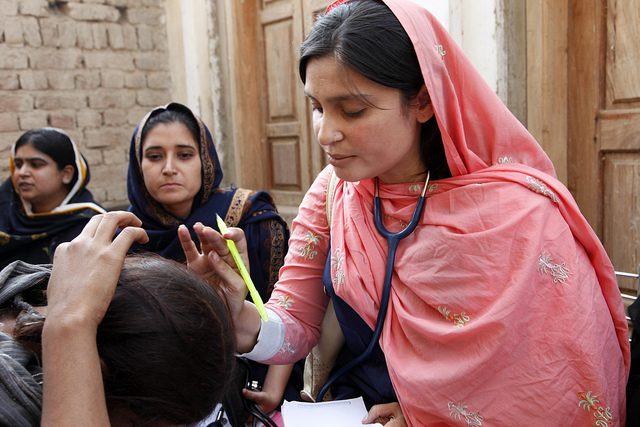
 The World Economic Forum’s 2023 report on the global gender gap placed Pakistan 142 out of 146 globally. The report breaks Women’s Rights in Pakistan down into four different sections: economic participation and opportunity, educational attainment, health and survival, and political empowerment. Below average in all areas, the situation for Pakistani women is made promising through the relatively high percentage of women in positions of political power. Pakistan ranks 36th in the world in terms of female heads of state over the last 50 years.
The increase in women in positions of political power is a reason to be hopeful as it increases the chances of being able to change laws which oppress women. In 2021, the Lahore High Court banned the use of ‘virginity tests’ for rape survivors, a major step for female victims, which will help change old attitudes on virginity very common among Pakistani people in addition to helping protect survivors.
Despite this, there is still far to go for Pakistan to achieve gender equality, and the Aurat March was born out of this frustration and the recognition that there is far to go.
What Is the Aurat March?
The first Aurat March in 2018 was held simultaneously in Pakistan’s Islamabad, Lahore and Karachi cities to commemorate International Women’s Day. Up until then, Women’s Day in Pakistan was just a token ceremony where officials dug up worrying statistics and discussed future developmental goals. Nearly 5,000 people took part, including men, women and children.
The Spread of the Aurat March Over the Years
In 2019, the march was held in other cities including Islamabad, Lahore and Peshawar. Marchers called for greater accountability for violence against women. Nighat Dad, organizer of the Lahore march in 2019, stated that they are ‘demanding economic justice, equal labor, acknowledgment of work in the home, equality at work, sexual harassment and access to equal justice as men.’ According to The World Economic Forum’s 2023 report on the global gender gap, these issues are pressing for Pakistani women, made clear by the World Economic Forum’s 2023 report.
Today, the Aurat March has expanded across the length and breadth of the country, and in 2023, tens of thousands of Pakistani women took part in the Aurat March. The Aurat Marches have garnered attention from news outlets and social media because the marches aim to be inclusive for all types of women from different castes and backgrounds. Sheena Kermani, an organizer of the 2019 march, said that the marches ‘represent(s) every woman here no matter what caste, creed or religion she hails from.’
The Aurat March continues to gain momentum with each passing year, gathering more and more support each time. The organizers use social media to raise awareness about issues regarding women’s rights in Pakistan and Asia through their social media accounts, predominantly Instagram.
What Have Been the Reactions to Aurat March?
The positive impact of the Aurat March is evident in the growing number of participants over the years since 2018. Additionally, Anam Abba’s documentary ‘This Stained Dawn’ that explores the organization and the leading up to the Aurat March in 2020, was shown at the Human Rights Watch film festival. It received 6.7 on IMDb, and a review published by the Guardian described it as a powerful performance piece. The documentary gives an insight into the organization of the march, the high degree of planning and the challenges facing these women. It spreads awareness of the cause and the struggles faced by Pakistani women, shedding light on their achievements. It also explores the resistance to the Aurat March.
In 2019, the Khyber Pakhtunkhwa Assembly passed a resolution condemning the march, claiming that the demands of the march were un-Islamic. Additionally, many conservative groups oppose the march each year. In fact, 2018 saw violence against transgender women in the week leading to the protests.
What Is the Future of the March?
The fact that the Aurat March, despite being met with opposition every year, continues not only to run but also garners greater participation, is a positive sign. More and more women and people in positions of power are supporting the march, and the organization was partially responsible for the Supreme Court of Pakistan recognizing activists’ resistance against Afghan deportations.
Pakistan has a lot of work to do in terms of helping women, but the Aurat March is a sign that progress is being made. Greater support would mean better chances of legal and social reform.
– Alice Brayford
Photo: Flickr

Harvard and Roche Discover Antibiotic for Drug-Resistant Disease
Northern Africa
North Africa has the lowest rates of poverty across Africa, achieving, in 2019, the Sustainable Development Goal (SDG) of 3% in poverty. Post-COVID, during the years 2021-2023, the region has maintained a steady GDP growth at close to 4.0%, 4.5% and 4.2% respectively. However, these figures mask the continued struggle against poverty that North Africa endures.
Of the seven North African countries, Sudan has the highest poverty rates with an estimated 35% living in conditions of extreme poverty. That figure is projected to rise as we head towards 2025, and more than half of the 42 million people living in Sudan are in need of humanitarian assistance.
Algeria, Libya, Egypt, Tunisia and Morocco account for close to half of North Africa’s population but only 25% of the region’s GDP. In addition, dwindling economies and lack of job opportunities continue to remain areas of concern. The prospect of extreme poverty threatens to rear its head, going by current data.
Health Care in North Africa
The geography of North Africa significantly influences its health care infrastructure, or lack thereof. Being the least connected to other regions of the continent makes it difficult for North Africa to collaborate and benefit from any progressive medical approaches that have served other regions well.
Of the North African countries, Egypt possesses an advanced ability to manufacture vaccines and other pharmaceuticals. The $450 million World Bank investment into providing ambitious health reforms and services for all in Morocco is a significant step toward enhancing health care initiatives in the North African region.
The Pitfalls of Health Care in North Africa
Despite concerted efforts, what persists throughout hospitals in North Africa is suboptimal antibiotic stewardship and sparse surveillance data. These factors make critical priority WHO diseases such as Carbapenem-resistant Acinetobacter baumannii (CRAB) become a major concern.
CRAB diseases are up to 90% resistant to treatment in North Africa. Besides manifesting as pneumonia and killing hundreds of thousands across Africa each year, CRAB diseases mainly attack the respiratory system, and respiratory infections constitute close to 10% of all deaths in North Africa.
Zosurabalpin and Its Potential
The novel antibiotic, Zosurabalpin, offers some hope against these worrying numbers. Founded by Swiss pharma company, Roche, this new antibiotic hopes to shift medical discourse globally and have an immense impact in North Africa.
In early trials it has shown to be an effective treatment against the very diseases that have high rates of mortality in North Africa, namely, the highly resistant strains of CRAB manifesting as pneumonia and sepsis.
Since its announcement on January 3, 2024, Zosurabalpin has gained mass support from the global scientific community, and Harvard has become involved in the testing stages too.
Zosurabalpin in 2024
Due to the lengthy period and the many stages of antibiotic testing, it is a given that the rolling out of the novel antibiotic is a multi-year goal.
However, the medical properties of Zosurabalpin cannot be ignored. Not only could the antibiotic bring with it a fresh approach to hospital protocol, but also a relief to drug-resistant disease in North Africa. Both bring hope for the future of mortality rates on the African continent to be one of steady decline.
– Joseph Wray
Photo: Flickr
The Ongoing Battle on Poverty Reduction in Sierra Leone
A Higher Minimum Wage
Historically speaking, Sierra Leone’s economy has been reliant on natural resources such as diamonds and various other materials such as iron ore and bauxite. Despite earning more than 250 million USD in revenue from the diamond industry per year, the diamond industry often fails to uplift the local communities, and on the contrary, has contributed to growing poverty rates within Sierra Leone amidst inflation. Fortunately, this has been resolved through the recent increase in the minimum wage of 33% per month as of April 2023, from 600 to 800 leones per month. This will be incredibly impactful in relieving poverty in Sierra Leone as it allows households to afford more necessities and provides better financial security in the long run.
Diversification of the Economy
Despite the diamond industry turning over more than $250 million per year, the country has taken an impressive initiative to diversify their economy by turning away from the finite mining industry. As seen through the ‘Sierra Leone Diversification Project,’ the country has executed the PRSP’s (Poverty Reduction Strategy Papers) framework to grow the economy by boosting investment in non-mining industries such as tourism, energy and fisheries. This is essential in lowering the rate of poverty in Sierra Leone as it provides a sense of stability in the economy, which improves the competitiveness of their exports, encouraging more investments into the country. This will in turn potentially bring more jobs and income into Sierra Leone.
Access to Healthcare
Lack of access to proper healthcare was highlighted in the PRSP as one of the pressing problems in Sierra Leone, with poor healthcare being a prominent limiting factor to poverty alleviation. Low life expectancy, high malnutrition rates and infant mortality contributes to a struggling economy, unable to yield a higher economic production. Encouragingly, the Sierra Leone government has launched the ‘Free Health Care Initiative’ (FHCI) as of 2010, offering free mother and child healthcare support across the country, as part of their plan to lower infant mortality rates. Furthermore, the FHCI decreases the number of children suffering from stunted growth, which could possibly affect their progression to higher education. As a result, the gradual improvement of the public healthcare system provides a stronger possibility of a more productive labor force, encouraging economic growth in the long run, which will alleviate poverty in Sierra Leone.
Conclusion
While there has been encouraging improvements within Sierra Leone in their efforts to alleviate poverty, the west African nation is still struggling economically amidst a period of unfavorable exchange rates and growing inflation. Furthermore, the country has been unable to introduce more job opportunities by attracting more foreign direct investments. The lack of better job opportunities limits upward progression away from poverty, limiting many to lower paying jobs. This could be credited to the government’s poor reputation as being corrupt as well as the region’s historic political instability.
– Matthew Fung
Photo: Wikimedia Commons
Women’s Rights and the Aurat March in Pakistan
The increase in women in positions of political power is a reason to be hopeful as it increases the chances of being able to change laws which oppress women. In 2021, the Lahore High Court banned the use of ‘virginity tests’ for rape survivors, a major step for female victims, which will help change old attitudes on virginity very common among Pakistani people in addition to helping protect survivors.
Despite this, there is still far to go for Pakistan to achieve gender equality, and the Aurat March was born out of this frustration and the recognition that there is far to go.
What Is the Aurat March?
The first Aurat March in 2018 was held simultaneously in Pakistan’s Islamabad, Lahore and Karachi cities to commemorate International Women’s Day. Up until then, Women’s Day in Pakistan was just a token ceremony where officials dug up worrying statistics and discussed future developmental goals. Nearly 5,000 people took part, including men, women and children.
The Spread of the Aurat March Over the Years
In 2019, the march was held in other cities including Islamabad, Lahore and Peshawar. Marchers called for greater accountability for violence against women. Nighat Dad, organizer of the Lahore march in 2019, stated that they are ‘demanding economic justice, equal labor, acknowledgment of work in the home, equality at work, sexual harassment and access to equal justice as men.’ According to The World Economic Forum’s 2023 report on the global gender gap, these issues are pressing for Pakistani women, made clear by the World Economic Forum’s 2023 report.
Today, the Aurat March has expanded across the length and breadth of the country, and in 2023, tens of thousands of Pakistani women took part in the Aurat March. The Aurat Marches have garnered attention from news outlets and social media because the marches aim to be inclusive for all types of women from different castes and backgrounds. Sheena Kermani, an organizer of the 2019 march, said that the marches ‘represent(s) every woman here no matter what caste, creed or religion she hails from.’
The Aurat March continues to gain momentum with each passing year, gathering more and more support each time. The organizers use social media to raise awareness about issues regarding women’s rights in Pakistan and Asia through their social media accounts, predominantly Instagram.
What Have Been the Reactions to Aurat March?
The positive impact of the Aurat March is evident in the growing number of participants over the years since 2018. Additionally, Anam Abba’s documentary ‘This Stained Dawn’ that explores the organization and the leading up to the Aurat March in 2020, was shown at the Human Rights Watch film festival. It received 6.7 on IMDb, and a review published by the Guardian described it as a powerful performance piece. The documentary gives an insight into the organization of the march, the high degree of planning and the challenges facing these women. It spreads awareness of the cause and the struggles faced by Pakistani women, shedding light on their achievements. It also explores the resistance to the Aurat March.
In 2019, the Khyber Pakhtunkhwa Assembly passed a resolution condemning the march, claiming that the demands of the march were un-Islamic. Additionally, many conservative groups oppose the march each year. In fact, 2018 saw violence against transgender women in the week leading to the protests.
What Is the Future of the March?
The fact that the Aurat March, despite being met with opposition every year, continues not only to run but also garners greater participation, is a positive sign. More and more women and people in positions of power are supporting the march, and the organization was partially responsible for the Supreme Court of Pakistan recognizing activists’ resistance against Afghan deportations.
Pakistan has a lot of work to do in terms of helping women, but the Aurat March is a sign that progress is being made. Greater support would mean better chances of legal and social reform.
– Alice Brayford
Photo: Flickr
Rohingya Refugees Receive Food Rations in Bangladesh
Who Are the Rohingya?
The Rohingya people are an ethnic minority group from Myanmar and the world’s most persecuted minority group. Despite living in the country for hundreds of years, the Rohingya are not recognized as an official ethnic group, rendering them stateless after being denied citizenship by Myanmar’s government. After suffering years of discrimination and lack of basic rights, the Rohingya were subjected to a targeted campaign of violence by Myanmar authorities in the country’s Rakhine state in August 2017. Ever since, nearly a million Rohingya have settled in two of the most populated refugee camps in the world – Kutupalong and Nayapara in Cox’s Bazar, Bangladesh.
The Crisis
Although the Rohingya found refuge away from persecution, they faced many challenges while making a home in the camps. Given that many lack access to basic health care and vaccination regiments in Myanmar, a majority of the refugees are more susceptible to preventable diseases and poor sanitation. While the United Nations World Food Programme (WFP) played an active role in providing aid to the Rohingya, cuts were made in 2023 due to a lack of funding. Food rations were reduced to $8 a month as opposed to the previous $12, resulting in an increased risk of malnutrition, infant mortality and disease among the refugees.
Further harsh measures taken by the Bangladeshi government have imposed pressure on many refugees to consider returning to life in Myanmar rather than face hunger in the camps. Bangladesh has a history of bad blood with the Rohingya, as evidenced in 1978 when the government restricted food rations in the camps to force refugees back to Myanmar. As of March 1979, more than 11,900 refugees had lost their lives due to inadequate conditions in the camps, leading to the departure of more than 107,000 Rohingya from Bangladesh.
The UN’s New Rations
The situation in Cox’s Bazar revealed a rapid decline in nutrition among camp members as malnutrition rates reached 15%, exceeding the World Health Organization’s emergency threshold. Nearly 40% of children under the age of five were chronically malnourished, a further 12% suffering from acute malnutrition.
The deterioration spurred action among donors, with the United States leading the pack with an increased contribution to WFP. The influx in donations has allowed WFP to increase food rations to $10 a month in 2024, with the addition of locally fortified rice newly added to the food assistance package received by refugees.
Moving Forward
Despite the push to restore food rations in the refugee camps, WFP suffers from a funding shortfall of $61 million, a goal they must reach to restore rations to $12 a month. The meager food vouchers only provide enough to purchase essential items such as rice, garlic, spices and potatoes, a diet lacking protein and meat that are essential to upkeep good nutrition.
Abu Toha MR Bhuiyan, a chief refugee health coordinator in Cox’s Bazar, has disclosed that WFP plans to introduce genetically modified rice. This initiative aims to provide refugees with multivitamins to address malnutrition and prevent diseases such as marasmus and nyctalopia. A.K. Abdul Momen, Bangladesh’s Foreign Minister, echoes sentiments that an increase in funding for more food rations will only serve to benefit the camp and prevent violence among its members. Aid efforts must be refocused on the deteriorating situation in Cox’s Bazar to ensure the health and safety of the Rohingya people.
– Megha Gupta
Photo: Flickr
The Potential of Sports in Nigeria to Reduce Poverty
In Nigeria, sports often serve as a pathway to escape poverty for numerous individuals. This underscores the significance of initiatives that foster the development of sports programs and the need to increase awareness about poverty within the nation. The following is an overview of the various methods through which sports in Nigeria contribute to alleviating poverty-related challenges for many people.
Sports in Nigeria: Reducing Poverty by Increasing Productivity
A 2015 study by Wilfred Eze states that physical education can collectively benefit Nigerian people and the nation. For instance, sports in Nigeria facilitate “physical growth and development, mental development, emotional development and social development.” On a broad scale, getting many children and adults into physical education allows them to develop essential life skills. Physical education is not solely a path to becoming an athlete; it can also instil vital life skills, such as hard work and dedication. The study reveals that this could have a wider effect on the nation by fostering a collective identity and reducing poverty via increased productivity. Nigeria has implemented a “Training and Retraining of Physical Education Teachers” scheme to achieve this aim, providing training for people to become physical education teachers and funding better sports facilities.
Statistical information on the applicability of the program is currently scarce. However, a 2021 study demonstrates the system’s benefits by showing that better training allows teachers to provide better education to children, increasing their interest in sports. Children had increased positive “attitudes and practices regarding participation in physical activity. Students also spent more time doing school-based physical activity.” This highlights the role of rewarding learning as a potential key to engaging children and influencing future generations who will grow into adults.
Sports in Nigeria: Aiding the Economy
Centre for the Study of the Economies of Africa (CSEA) reports that as of 2021, the impact of sports in Nigeria on the Nigerian economy is vast. A quick analysis shows that it contributes to the Gross Domestic Product (GDP), aiding employment opportunities, and it has an indirect multiplier effect that pertains to improvements in “public health” and “reduction in crime rates.” This is of particular significance as it sheds light on the interplay between sports and economic development and, thus, how it aids in formulating policies to promote sustainable economic growth.
For instance, sports have contributed “0.19%, 0.31% and 0.33% to the Nigerian GDP in 2019, 2020 and 2021” respectively and this trend shows no signs of slowing down as the sports market in Nigeria is increasing.
Based on data from the World Bank, Nigeria’s economy is gradually recovering and stabilizing. Since 2019, there has been a steady increase in GDP growth, with a recorded growth rate of 2.9% in 2023 and a projected growth rate of 4.1% in 2026. These figures indicate a positive trend in the country’s economy, attributed to the government’s efforts to implement economic policies that promote growth and development. The sustained growth in GDP is an encouraging sign for businesses and investors looking to enter or expand their operations in Nigeria.
Sports in Nigeria: Helping People With Disabilities
Nigeria has implemented programs aimed at assisting individuals with disabilities to lead productive lives. One such initiative is the 2008 Sport for Development and Peace International Working Group, which established legislation to secure the rights of disabled persons in the sports sector. The legislation guarantees safety and assurance to those who previously felt excluded, consequently increasing inclusion. It has allowed disabled individuals to access “low-cost” sporting activities, ensuring that poverty is no longer a barrier to participation. Furthermore, the legislation recognizes that sports in Nigeria are a catalyst “that can facilitate sustainable development” by encouraging individuals from all levels of society to partake in communal spaces. Through sports, Nigeria aspires to become more inclusive and better equipped to combat “poverty in all its forms.” The study showed that “59.32% of participants strongly agreed, and 27.27% agreed that participation in sports influences their economic wellness positively.”
Vital Contributors
In Nigeria, the sports sector has experienced rapid growth and now plays a vital role in various entrepreneurial activities. It has become a crucial component of Nigeria’s economy, generating substantial revenue and employment opportunities. It provides a significant platform for entrepreneurship, driving economic growth within the country. The sports industry is poised for further expansion, which will create additional avenues for entrepreneurship, employment and economic development in Nigeria.
– Jordan Cunningham
Photo: Flickr
Spreading Joy With Shoe Boxes
This is where Team Hope steps in to make a difference. Collaborating with schools throughout Ireland, this initiative calls upon volunteers to bring joy by assembling and sending gift-filled shoeboxes to underprivileged children in Africa and Eastern Europe. These shoeboxes are a lifeline, delivering Christmas gifts that these children might otherwise never receive.
Each donated shoebox has the power to brighten the life of a single child, transforming not only their holiday season but also making a lasting impact on their families. It’s an effort that proves that even small acts of kindness can bring about meaningful change in the lives of vulnerable children.
Team Hope: The Shoe Boxes Appeal
Team Hope has a reputation for collaborating with primary and secondary schools across Ireland to spread joy each Christmas. Since 2010, Team Hope has sent at least 2.5 million shoe boxes to vulnerable children worldwide. In 2022, Ireland sent 173,563 shoe boxes to happy children in Romania, Ukraine, Malawi and Kenya. By sending clothes, hairbrushes, toothbrushes, soap and fun toys, the initiative makes a positive difference to every child’s life. These boxes undergo careful checks before they make their journey across the world. The boxes offer children important essentials and a delightful gift to bring happiness to every child’s life.
School Volunteers
A lot of the volunteers come from primary and secondary schools, as children work together to create the perfect gifts. Team Hope collaborates with teachers, students and parents from preschool through to third level in order to spread joy across the world.
Teachers Ms. Lauren Scanlan and Mrs. Grace Cart explained that the appeal also helps Irish students learn about and understand poverty. Ms. Scanlon shares that she has worked with Team Hope for many years with the Shoe Box Appeal in primary schools around Waterford, and Mrs. Carty, who teaches in a primary school in County Galway, states that “the shoe boxes are great! Once the children start putting their boxes together they truly start to understand about poverty and the importance of giving.” She notes that “it gives the children a proper realization that not everyone in the world has what they have, and the children are eager to help and are excited at the idea of their present reaching a friend across the world and giving them a happy Christmas.”
The initiative not only helps those living in poverty, but it teaches children in Ireland that a little bit of kindness can go a long way.
Looking Ahead
Many of the shoeboxes for this appeal come from schools, but anyone can participate. The process is straightforward. After decorating and wrapping the shoebox, the volunteer selects the age group and gender of the recipient. They then choose a mix of practical and fun gifts to fill the box, ensuring the recipient has a special Christmas. Once the gifts are dispatched, people can track their destination on Team Hope’s website. This initiative has made a positive impact worldwide and continues to bring holiday cheer each Christmas season.
– Éadaoin O’Leary
Photo: Unsplash
BYD’s EV Hub in Brazil Offers Hope Against Poverty
BYD’s Vision and Strategic Location
BYD’s EV Hub investment choice takes on added importance within the context of Camaçari’s well-established industrial framework, notably highlighted by BYD’s acquisition and revitalization of a Ford plant that ceased operations in 2021. The proposed facility will house three state-of-the-art factories, each playing a pivotal role in the production cycle.
The first factory is dedicated to processing locally sourced lithium and iron phosphate, critical components essential for the batteries that power electric vehicles. Simultaneously, the remaining two facilities will lead in the production of hybrid and electric vehicles, encompassing cars, trucks and buses. The envisioned complex not only aligns with BYD’s global strategy but also positions Camaçari as a hub for cutting-edge EV technology, furthering Brazil’s role in the international electric mobility landscape.
A Dual Triumph Through the EV Hub
The economic implications of BYD’s EV hub investment are underscored by recent data released by the Brazilian Institute of Geography and Statistics (IBGE). Poverty in Brazil, which reached a record level of 36.7% in 2021, witnessed a notable decline to 31.6% in 2022. In absolute terms, this positive trend translates into a reduction from 78 million people considered poor in 2021 to 67.8 million in 2022.
This promising trend is further reinforced by an additional upward revision of Bolsa Familia’s benefits, suggesting that the poverty rate is anticipated to revert to a seemingly pre-pandemic trajectory, settling at 24.3% according to the World Bank’s projections for 2023. The BYD initiative perfectly aligns with Brazil’s growth, boosting its economy. The creation of a manufacturing hub not only brings job opportunities directly associated with the EV industry but also stimulates related sectors, fostering a ripple effect of economic growth that extends beyond the plant gates.
Lula’s Vision and Global Collaboration
Brazilian President Luiz Inacio Lula da Silva’s vision of closer Sino-Brazilian ties finds concrete expression in BYD’s investment. Lula’s emphasis on transitioning from fossil fuels aligns with China’s commitment to sustainable practices. Beyond strengthening economic ties, this collaboration positions Brazil as a key player in the global shift towards clean energy. As BYD opens its doors in Camaçari, the transformation is not limited to the industrial sector. The EV hub promises to be a beacon of hope for Bahia residents, offering not just jobs but opportunities for skills development and community growth.
The convergence of Chinese innovation and Brazilian ambition is positioned to redefine the narrative, demonstrating that economic progress and environmental responsibility can coexist harmoniously. Furthermore, the anticipated creation of 5,000 domestic jobs underscores the tangible and immediate impact of BYD’s investment on the local workforce, contributing to the realization of Lula’s vision for a prosperous, sustainable and interconnected future.
Final Remark
BYD’s EV hub investment marks a transformative moment for Brazil, both economically and socially. As the EV hub takes shape, it promises a prosperous future for the nation, simultaneously contributing to the impressive strides already made in reducing poverty. This collaboration between China and Brazil serves as a model for joint efforts addressing a sustainable future and the economic challenges associated with poverty in Brazil.
– Quinn Higby
Photo: Pixabay
AI Takes on Health Care Inequalities in Nigeria
Noncommunicable Diseases in Sub-Saharan Africa
Diabetes, cancer and cardiovascular diseases are the prime cause of mortality across sub-Saharan Africa today. Between 2000 and 2019, the number of deaths from such NCDs has increased from 24% to 37%.
Dr Matshidiso Moeti, WHO Regional Director for Africa, said, “The growing burden of noncommunicable diseases poses a grave threat to the health and lives of millions of people in Africa: over a third of deaths in the region are due to these illnesses”.
“What is particularly concerning is that that premature deaths from noncommunicable diseases are rising among people younger than 70 years,” Dr Moeti added.
Each year close to 17 million lives are lost prematurely, and about 86% of these are from developing countries lacking critical care infrastructure. However, a majority of these lives can be saved by early diagnosis and preventative measures.
Role of AI in Early Intervention
The round-the-clock availability of Kem, the chatbot, on mobile phones and its ability to answer in simple terms makes the application an effective solution for remote communities for primary health advice at any time of the day or night.
L. Nneka Mobisson, Co-founder and CEO of mDoc, said, “We recognized that by investing in preventative care and focusing on behavior change and nudges, we’d be able to stop what happened to my father from happening to other families.” Mobisson’s father suffered a massive stroke and succumbed prematurely after a brief period of paralysis and psychosis.
Dr Aldo Faisal of the UKRI Centre for Doctoral Training in AI for Healthcare at Imperial College London said that deploying AI can “improve the cost of care and improve outcomes” by enhancing the efficiency of diagnostic methods.
AI is currently being used in health care ecosystems to assist during surgeries, develop pharmaceuticals, automate outbreak response, transcribe medical records and promote communication between patients and doctors. The market for AI-assisted health care is estimated to grow from $11 billion in 2021 to $187 billion by 2030.
AI in Health Care To Ensure Equality
AI technology can potentially promote equality in health care in low- and middle-income countries by reducing the cost of medical treatment. However, the bulk of the research on such technologies is largely limited to developed, wealthy nations.
Philanthropist and co-founder of Microsoft, Bill Gates, has said, “The world needs to make sure that everyone—and not just people who are well-off—benefits from artificial intelligence. Governments and philanthropy will need to play a major role in ensuring that it reduces inequity and doesn’t contribute to it.”
The Way Forward for Nigeria
mDoc Healthcare received funding from the Bill & Melinda Gates Foundation in July 2023 to onboard the LLM of ChatGPT into their virtual self-care assistant Kem. Integration with artificial intelligence has allowed Kem to solve a wide range of queries with evidence-based precision. It has interpreted user behaviors to evolve into a culturally relevant product. Mobisson’s team is running a community trial to escape the loop of human bias that LLMs are often prone to. Further developing such systems can greatly strengthen the AI-enabled health care infrastructure in Nigeria and minimize inequalities in health care outcomes.
– Soham Mitra
Photo: Flickr
Women’s Rights in Romania
The Economy and Unemployment
Despite increased prospects and economic development, progress was plodding, and the 2009 financial crisis deepened issues for the Romanian government. This resulted in legislation concerning women’s rights facing relegation to the backbench as politicians scrambled to rescue the country from financial catastrophe.
While there have been continuous changes in legislative provisions, the dissolution of the National Agency for Equal Opportunities between women and men in July 2010 exposed the inequalities between men and women within the professional sector. The agency had been the national gender equality machine, committed to improving the position of women within the workforce. Austerity measures because of the 2009 financial crisis led to its dissolution.
Between 2008 and 2012, the increase in long-term unemployment was higher for women by 5%.
Minority Discrimination
The education rates drop among girls in the Romani community, an ethnic minority who make up 8.32% of Romania’s population. It is important to note that Romani women are not the same as Romanians- the Romani are an Indo-Aryan ethnic group who traditionally lived a nomadic lifestyle.
Education highlights the inequality between provisions available with only 68% of girls receiving secondary education in urban cities, dropping to a staggering 42% in rural areas. Roma boys spend on average, 6.71 years in education while Roma girls spend around 5.66 years. When compared with their non-Roma counterparts who spent 10.95 and 10.7 years respectively, the difference is apparent.
It is common knowledge that Romani women suffer from increased discrimination due to prejudice against the ethnic minority group. Almost a quarter of Romani women in Romania have had no formal education and most of the group have stated that they are discriminated against by employers. As much as 39% of Romani women had not earned any income in the last year and 54% worked informally in jobs that provided no benefits or work agreements.
Gender-Based Violence
There have been increased calls on the Romanian government to protect women from the high rates of sex trafficking and domestic violence. The country has been listed by the U.N. as one of the greatest hotspots for human trafficking.
According to Valentina Rujoiu, a professor at the University of Bucharest’s Faculty of Sociology and Social Assistance, Romania is “stuck in the middle ages” regarding domestic violence. The shame and dishonor surrounding victims of domestic abuse often prevent them from speaking out. Rujoiu also argues that the laws in Romania are not working. On average, it takes 33 days for a restraining order to come into effect, and for many, this is too late.
In a report released by the U.N.’s Human Rights Office, the working group recommended that “the [Romanian] government should also take all the necessary measures to prevent early marriage and drop out of schoolgirls and to ensure human rights-based sexuality education in schools”.
The report also highlighted the issue of forced marriage and teen pregnancies. There is little access to prenatal care and the breastfeeding rate is three times lower than in the European Union (EU), further emphasizing the ongoing problem of early years development.
Hope and Empowerment
Smaller NGOs are operating in Romania to combat gender inequality. Centrul Filia is a feminist NGO from Bucharest, active in the field of gender equality research. The organization aims to build a society in Romania whereby women’s rights and diverse needs are respected and equal opportunities are available to all.
The organization’s direct community work, advocacy activism and research analysis help to build a more accurate image of gender inequality in Romania, as well as supporting women through increasing public awareness on reproductive and sexual rights. Its work with the Romanian government in improving the legislative framework and effective implementation of public policies has also transformed the organization into a powerful pressure group.
According to the U.N., there is a need for more improvements to empower women in Romania, ensuring that they can reach their full potential within professional and personal spheres. Currently, ongoing efforts by NGOs similar to Centrul Filia represent positive steps in the right direction to improve women’s rights in Romania.
– Maryam Rana
Photo: Flickr
Gender-Based Violence in the DRC
Domestic Violence
Issues such as child marriage and lack of education are both detrimental to women and girls in the DRC. Other issues like female genital mutilation also contribute to gender-based violence, as it sets the precedent from a young age that girls are undervalued and exploited. According to estimates, at least 52% of Congolese women and girls over the age of 15 have experienced physical violence in their lifetimes, with the number only increasing as the girls become women. However, countless organizations aim to reduce these high rates of violence against women and girls throughout the nation.
Nevertheless, countless organizations aim to reduce these high rates of violence against women and girls throughout the nation. They achieve this by providing women and girls with access to opportunity and education and making the government aware of these gender-based issues. Specifically, some organizations build schools and offer scholarships to help girls access education and escape child marriage. Others provide job training and microloans to help women gain financial independence. Campaigns also pressure the government to strengthen laws protecting women and harshly punish violence and discrimination.
Disease and Illness
In addition to gender-based violence, the DRC struggles with health challenges such as Ebola. Millions of individuals have faced displacement while seeking food and secure accommodations. The frustration and anger people feel regarding these issues could easily affect women, as anger often manifests as violence against them. Organizations have also been mobilized in the Congo to aid those displaced and who suffer from illness as a result.
Preventative Methods in the DRC
Different organizations and programs have been launched both by the Congolese government and international bodies to prevent gender-based violence in the central African country. Specifically, the DRC’s government has “developed an accountability framework to address gender-based violence, including national protocols for case management and a database of incidents.”
The United Kingdom (U.K.), one of the countries offering the Congo support against gender-based violence, has played a pivotal role in reducing domestic violence against women and girls in the nation. In two years, the “What Works To Prevent Violence Against Women and Girls” program implemented by the U.K. in the DRC has successfully decreased domestic violence against women from 69% to 29%. Furthermore, U.K. aid intervention has led to a significant decline in violent sexual crimes committed by non-partners, dropping from 24% to 4% within the same timeframe.
Looking Ahead
Efforts to address violence against women and girls, both within the Congo and through external organizations, have significantly improved the well-being of Congolese women and girls. However, opportunities for further enhancements in safety and well-being persist. Recent trends suggest that as long as missions aimed at empowering women through education, financial independence and legal safeguards continue, there is a sustained reduction in violence rates and an increase in opportunities for Congolese women and girls. Advocates and activists work tirelessly toward a future where women and girls in the Congo can live free from violence and discrimination.
– Lily Thornhill
Photo: Unsplash