School Meals and Refugee Education in Chad
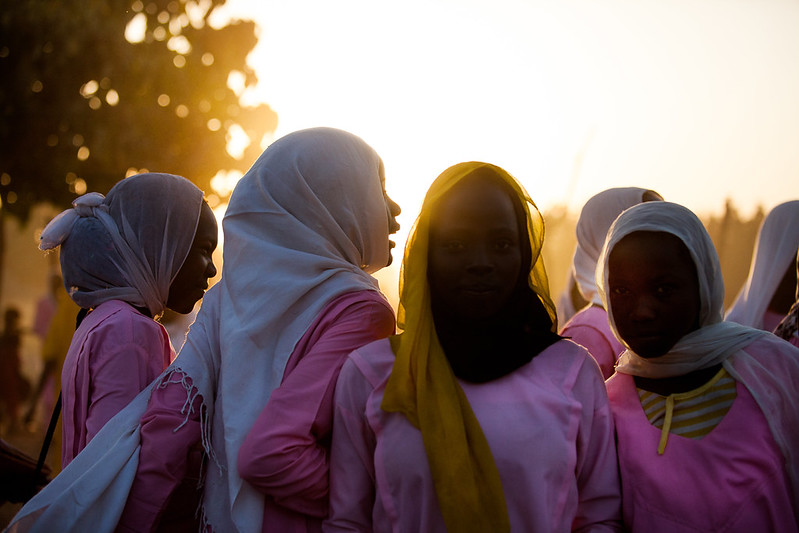 In Chad, education is the path to a more stable future free of long-term hardship, yet millions of children remain out of school. Education Cannot Wait announced a $20 million grant in December 2024 to extend its multi-year resilience program in Chad, following a report that at least 3.2 million children and adolescents were absent from the classroom. This funding is expected to reach 66,000 crisis-affected learners.
That matters in a country where issues such as conflict spillover, climate shocks and poverty continue to disrupt education. School meals and refugee education in Chad are essential because food support and classroom access can work together during emergencies.
The Crisis in Eastern Chad
The pressure has only intensified since war broke out in neighboring Sudan in April 2023. The World Food Programme (WFP) says the Central African country now hosts 1.5 million refugees. They include 900,000 people who immigrated from Sudan, putting greater strain on communities that were already experiencing immense poverty and food insecurity.
In eastern Chad, UNICEF reported in April 2026 that 900,000 children were not registered in an educational institution. The same report said nearly 300,000 refugee children in the east were not receiving any schooling.
Why School Meals Matter
School meals are one of the clearest tools helping children stay in class. WFP says its emergency response to this problem included providing school meals for more than 125,000 children in refugee-hosting areas in 2025. It also supports home-grown school feeding programs that connect schools with local farmers so children can consume locally sourced meals while rural producers gain a market for their crops.
According to WFP, this approach has already improved nutrition and school attendance outcomes for more than 110,000 children. In a crisis setting, a meal at school helps improve learning and household food security.
Education Support Beyond Food
Education support is also expanding beyond meals. Education Cannot Wait says more than 40% of the 66,600 children targeted through its new grant will be refugees. The program will also train more than 1,500 teachers in pedagogy, psychosocial support and risk reduction.
This broader work strengthens school meals and refugee education by combining food assistance with improved classroom support. This is important, since Chad not only needs more students attending school, but it also requires schools that can handle displacement and overcrowding. UNICEF says eastern Chad still needs about 5,000 temporary learning spaces and 10,000 latrines to meet minimum standards.
A Positive Path Forward
These efforts are particularly important for girls. In its 2024–2028 Chad country strategic plan, WFP said that increasing home-grown school feeding can help improve nutrition and health while also keeping girls in school. UNICEF’s report on eastern Chad states that without enough education support, 70,000 children, including refugees, returnees and those from host communities, could miss school days or drop out.
This raises the risk of child labor and child marriage. In this situation, school meals do more than tackle hunger. They help safeguard children’s futures.
Closing Remarks
School meals and refugee education in Chad are deeply connected. Food support helps children show up in class and stay enrolled, while new education funding helps schools respond to crises more effectively. Despite this, Chad still faces a major gap.
However, active programs from WFP, UNICEF and Education Cannot Wait show that investments can keep more children in school. If those efforts continue to expand, they could strengthen educational access and long-term resilience for families across the country.
– Ashirah Newton
Ashirah is based in Brooklyn, NY, USA and focuses on Good News and Global Health for The Borgen Project.
Photo: Flickr
