Digital Poverty in Papua New Guinea
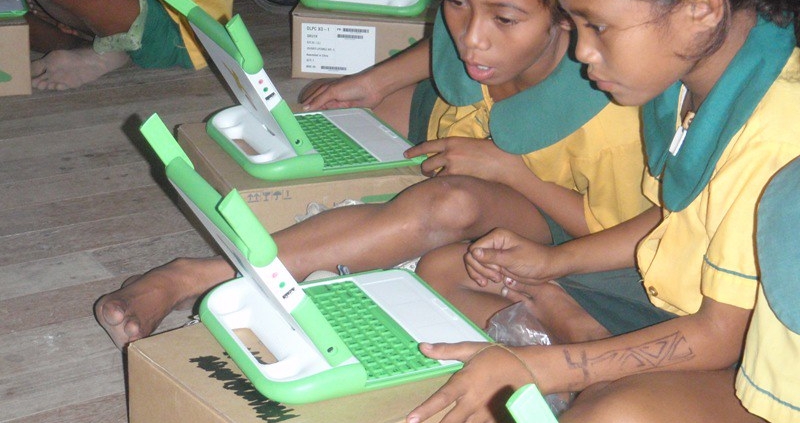 Digital poverty in Papua New Guinea (PNG) highlights a stark reality in the Pacific, where a challenging geography of remote islands and vast landmasses amplifies connectivity gaps. In this region, many communities remain cut off from the online world, limiting education, economic opportunities and essential services. PNG, due to its diverse terrain and growing population, exemplifies these struggles.
Despite technological advances, the country grapples with low internet adoption, underscoring how geography and economics perpetuate exclusion. Addressing digital poverty in PNG demands urgent, tailored strategies to unlock its potential.
Who Has Internet and Who Doesn’t?
Internet access first reached PNG in 1997. Yet after three decades, the nation trails far behind other Asia-Pacific neighbors in connectivity. At first, rates align closely with smartphone access and about 60% of adults report having used the internet at least once. Still, only 36% of people have a mobile connection. In comparison, true internet penetration is limited to 32%, equating to 3.3 million users.
PNG’s immense land area, mountainous terrain, limited road network and consequent high service costs create formidable obstacles. Rural regions, where 86% of the population resides, suffer the most, often lacking both power grids and networks. On the other hand, according to a 2020 World Bank analysis, cities like Port Moresby and Lae host just a fraction of the population, even though they account for 70% of all internet users.
Smartphone access tells a similar story: 62% of adults can use one, whether their own or shared. But disparities run deep across groups. Rural dwellers, seniors and lower-income households lag well behind national averages in device ownership. Internet habits mirror this, with added gender differences: only 32% of women aged 45–74 and 48% of rural women have gone online, compared with 50% of men in that age group and 54% of rural men.
The Government’s Path to Digitalization
In recent years, PNG’s government has pursued ambitious reforms to expand internet access. Key initiatives form a forward-looking regulatory backbone:
- The Digital Transformation Policy 2020 outlines a roadmap for embedding tech into public services, boosting efficiency, reach and openness.
- The Digital Government Act 2022 establishes rules for secure digital operations, prioritizing data privacy, system interoperability and cross-agency collaboration.
- The National Cybersecurity Policy protects online infrastructure, equipping businesses and officials to counter threats and build user confidence.
- The Digital ID Framework rolls out a reliable identity platform to streamline services, cut scams and ease transactions.
- The Digital Transformation Summit 2025, a four-day event focused on Sevis, a government-led platform conceived to facilitate the use of public services.
Despite these steps, the Information and Communication Technology (ICT) landscape remains constrained. State-owned enterprises dominate the market with little rivalry, controlling everything from infrastructure to delivery. This environment scares off private players and stalls innovations in speed and affordability.
The World Bank highlights how this monopoly enables tactics that block competitors, creating a “vertical squeeze.” Such dominance jeopardizes PNG’s target of connecting 70% of its citizens to electricity by 2030, which could increase internet access, as outlined in the PNG Development Strategic Plan 2010–2030. Without broader competition, digital poverty in Papua New Guinea persists, undermining national goals.
Public-Private Partnerships and Open-Source Innovations
Tackling these issues requires collaborative, cost-effective approaches. A Lowy Institute analysis suggests public-private partnerships (PPPs) in telecommunications, backed by robust competition rules and pricing oversight, could be a solution. These alliances could dismantle monopolies, drive down costs and extend coverage to remote areas, much like successful models in neighboring nations, such as Vanuatu.
PPPs are not the only tool, though. Open-source software (OSS) offers powerful and inclusive means. By providing free access to essential software, OSS democratizes digital tools across education, commerce and administration.
Mainstream OSS options include the Firefox browser for secure web surfing, Linux for flexible operating systems and LibreOffice for productivity. This software is openly licensed, allowing users to download, modify and deploy it without fees. In contrast, proprietary rivals like Microsoft Office charge subscription fees that can consume nearly 100 hours of minimum-wage earnings annually.
In PNG’s context, when backed by the development of a solid digital infrastructure, OSS can slash barriers for schools in highland villages and entrepreneurs in coastal regions, fostering self-reliance. Success depends on political will, training programs and affordable devices. By prioritizing equity, PNG can transform digital poverty into digital prosperity, fueling sustainable growth.
The PNG government is making great efforts to address these issues and bring the country closer to regional standards. However, this work will require greater flexibility and collaboration with third parties.
– Riccardo Chiaraluce
Riccardo is based in London, UK and focuses on Technology and Solutions for The Borgen Project.
Photo: Flickr
