China’s Aid in Africa
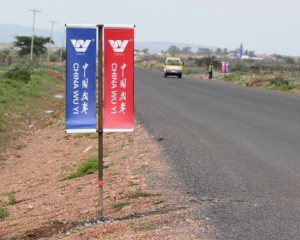 Foreign Aid has historically underpinned American soft power on the global stage and has been instrumental in promoting democratic governance, human rights, and development. With the shuttering of most aid projects, China has begun expanding its aid programs. Since the shuttering of USAID, many developing states in Africa and beyond now look to China as a predictable partner in the vacuum left by the United States’ sudden retreat from its central role in global aid. The United States’ retreat from development aid in Africa has hurt the multilateral aid space in particular. Multilateral aid systems, while slow and cumbersome, bring together a constellation of actors delivering assistance on a more purely humanitarian basis.
Chinese Aid in Africa
In 2024, China committed an additional $50 billion to projects on the African continent, according to NPR. China’s investment has focused on critical infrastructure. China has invested heavily in transit infrastructure and energy projects involving nuclear energy. Such investment lays the groundwork for greater industrialization and economic growth, made ever more critical by Africa’s rapid urbanization.
China has been involved in building and renovating government buildings and offices for the African foreign affairs staff—bases for different parts of the security apparatus. Importantly, China has been responsible for fourteen key intergovernmental telecom networks on the African continent. This building surge in Africa has given considerable sway over states seeking partners for future projects.
Debt Trap
Credible accusations state that Chinese aid in Africa is part of a strategy of debt trap diplomacy. Indeed, some of its development and aid projects have put countries at risk of debt. Ethiopia borrowed billions from China, which helped build critical transit infrastructure. Now the Ethiopian debt outstrips GDP, according to LSE. Such behavior is not unique to China. Western aid has been criticized for the same colonial behavior. Aid from the West frequently comes with conditionalities that hinder self-sustaining growth, producing a cycle of dependency. Parallels in exploitative behavior does not absolve China of scrutiny.
The results of China’s aid efforts have been heterogeneous. China has leveraged unfair loans to gain access to critical infrastructure. In other cases, China has been more forgiving than other lenders when providing relief to African countries.
The Future of Aid in Africa
While the United States stands to lose by not participating in development and aid in Africa, its withdrawal has implications far more pressing than the dominant realpolitik. Some have foreseen China filling the void left by the United States, but even with funding surges, there are huge gaps in health and infrastructure development, according to Bloomberg. This funding surge has yet to meet the needs of some of the poorest states in Africa. China’s projects have an uneven record, with some programs being extractive and others facilitating real economic growth.
China’s aid in Africa has adopted a bilateral approach. China’s loans are aimed at building critical infrastructure assets that can generate sustained growth and capacity. The United States’ most successful projects have been multilateral and partnered with a diverse range of actors from intergovernmental organizations, NGO’s, and businesses. The focused scope of Chinese aid in Africa means its effects tend to be localized. China’s assistance makes a difference, but it still lacks the scope and, most critically, the integration of the United States’ previous aid efforts in Africa. By conservative estimates, the closure of USAID has already caused more than half a million deaths globally. Africa and the world as a whole benefit from a diversity of foreign aid sources. When developing states can choose between aid sources, they can leverage more equitable and sustainable aid projects.
– Atticus Flanagan
Atticus is based in Cambridge, MA, USA and focuses on Good News for The Borgen Project.
Photo: Wikimedia Commons
