Fighting Poverty Among People With Albinism in Malawi
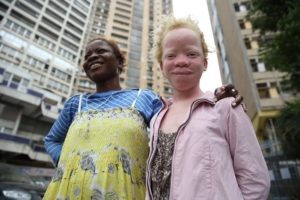 Malawi has one of the highest rates of albinism in the world; an estimated one in 130 people is born with the genetic condition, more than 134,000 in total. Albinism causes a lack of melanin pigmentation in the skin, hair and eyes, significantly increasing the vulnerability to sun damage and, therefore, skin cancer. Yet for those living with albinism in Malawi, health risks are only a fraction of the struggle.
Harmful superstitions have fueled discrimination and ritual attacks, with some erroneously believing that some body parts of people with albinism bring wealth or good fortune. These dangers leave individuals with albinism isolated and economically vulnerable. Growing advocacy efforts are helping to challenge stigma, improve access to protection and build safer, more inclusive opportunities for Malawians with albinism.
Poverty and Discrimination Among Malawians With Albinism
Of the 134,000 Malawians with albinism, 53,000 are primary and secondary school age. From an early age, many Malawian children with albinism face bullying and discrimination at school. Social exclusion, alongside misinformation about their condition, causes many to withdraw or drop out entirely.
Without a full education, opportunities for higher-paying or skilled employment become limited, increasing the likelihood of lifelong poverty. Those who struggle to find work are often pushed toward low-wage, outdoor labor, such as farming or manual jobs, which places them under direct sunlight for long hours and heightens health risks.
Health concerns further compound these economic barriers. As melanin helps protect the skin from ultraviolet exposure, people with albinism are highly susceptible to severe sunburn and skin cancer. Access to sunscreen, protective clothing and dermatology services is limited, particularly in rural areas. Both medical challenges and threats of violence trap individuals with albinism in a cycle where discrimination and poor health drastically narrow opportunities for mobility and economic participation.
The Association of Persons With Albinism in Malawi
The Association of Persons with Albinism in Malawi (APAM) is the country’s leading grassroots advocacy group for the rights, safety and economic inclusion of people with albinism. APAM documents attacks and human-rights violations, presses police and government to act and, through engagement with local communities, demands better protection and services. In recent years, the group has shifted its focus from emergency response to long-term inclusion.
It now implements school outreach programs to reduce stigma, supports leadership and entrepreneurship training to help members transition into safer, higher-quality work and advocates for policy measures. APAM also partners with health-focused NGOs to expand sunscreen distribution, vision care and dermatology referrals, recognizing that health protection and socioeconomic well-being are interlinked. By combining case documentation, public education and policy advocacy, APAM has helped place albinism on Malawi’s national agenda.
It has prompted the government and donors to commit to sustained funding for protection programs, a vital step in breaking the cycle of discrimination and poverty.
Standing Voice
Standing Voice is an international nonprofit working in Malawi (and across Africa) to deliver long-term, scalable solutions for people with albinism. Rather than focusing only on crisis response, the organization operates programs that prioritize individuals’ safety, attending school and participating confidently in public life. In the health sector, Standing Voice establishes clinical networks and provides access to sunscreen, dermatology and low-vision services.
These are critical interventions that enable people with albinism to participate in school or the world without being sidelined by illness. On the education and livelihoods front, the organization works to reintegrate children into schools and provide vocational and livelihood support. This enables adults with albinism to access safer and more sustainable employment rather than outdoor, high-risk labor.
Additionally, like APAM, Standing Voice undertakes advocacy to break cycles of stigma, violence and exclusion by amplifying the voices of people with albinism and influencing policy. Its holistic strategy links protection with economic empowerment, addressing both root causes and outcomes of poverty for Malawians with albinism.
Final Remarks
People with albinism in Malawi continue to face preventable dangers and barriers that limit both their safety and socioeconomic participation. Yet, the progress led by advocacy organizations, health initiatives and community education shows that these challenges are not inevitable. With continued investment in protection, accessible health care and inclusive employment, Malawians with albinism can build secure, independent futures.
– Elysha Din
Elysha is based in Guildford, UK and focuses on Good News and Politics for The Borgen Project.
Photo: Flickr
