School Meals Coalition: The Fight Against Childhood Hunger
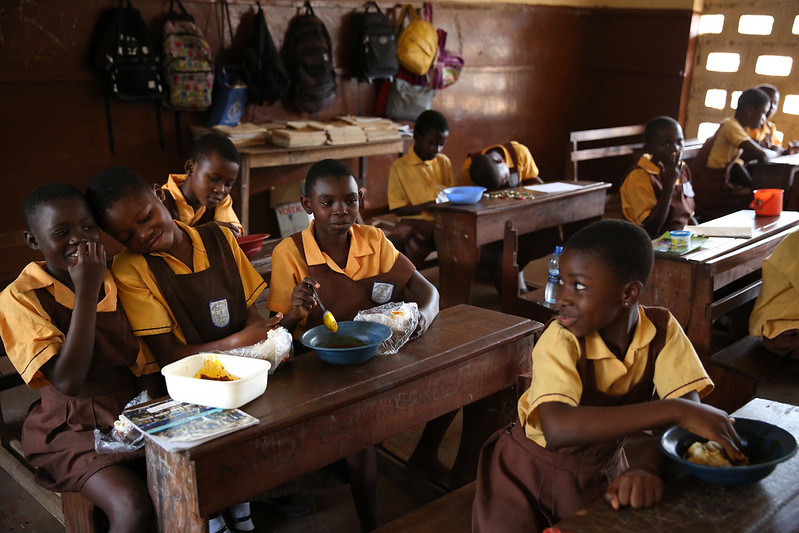 Over the past five years, the world has seen significant wins in the fight against childhood hunger. Most notably, an additional 80 million children worldwide have gained access to school meals since 2020. School meals are an important social safety net that helps prevent child malnutrition and advance human development. The rapid increase in distributed school meals comes not as a result of foreign aid, but from national school feeding programs, illustrating nations’ growing investment in the futures of their students. With expanding domestic programs and policies, developing countries are providing meals to 60% more children in 2025 than in 2023. The most significant progress has been seen in Africa, with 20 million of the newly reached students living in African nations.
Countries Leading the Way
Several African countries are leading the way in advancing domestic nutrition programs, with considerable progress in Rwanda and Kenya.
In 2024, Rwanda provided school meals to nearly 4.5 million students through its National School Meal Programme. That same year, the Rwandan government released the National School Feeding Strategy 2023-2032, which outlines plans to continue expanding the program by accommodating the growing student population, increasing program efficiency and building resilience against external shocks. The government is also increasing capacity through higher budget allocations. In 2021, the school feeding budget was $6.25 million; by 2024, it had increased to $73.4 million.
Kenya has taken strong action toward providing universal access to school meals. The Kenya School Meal Programme has been scaling up since the 1980s. In 2024, 2.6 million school-aged children received school meals. By 2030, the government aims to deliver meals to all 10 million primary school students.
Sustainable practices have been prioritized, including procuring locally grown food from small-scale farms—especially climate-resilient crops—and expanding clean, on-site cooking methods to lower energy use and reduce pollutants. Kenya joined the School Meals Coalition in 2021 and has since launched a national chapter, the first of its kind in Africa.
A Meal for Every Child: The School Meals Coalition
This progress reflects the efforts of the School Meals Coalition, a global movement that mobilizes governments to invest in school feeding initiatives. The coalition includes 112 member states, 150 partner organizations and six regional bodies committed to addressing childhood hunger and supporting Sustainable Development Goals.
As countries join, they issue commitments to scale up national school feeding programs and outline how they plan to reach those goals. In return, the coalition provides research, financial strategies and technical support. Many of the countries making the most progress are coalition members, demonstrating high levels of cooperation. In Africa, 44 out of 54 countries are now part of the coalition.
Looking ahead, the coalition aims to provide daily meals to all school-aged children worldwide by 2030. One major milestone has already been reached: restoring all national school meal programs suspended during the COVID-19 pandemic. Continued efforts focus on reaching vulnerable children who still lack access by recruiting more member countries, scaling up programs and improving their efficiency and sustainability.
The Benefits of School Meals
School feeding has strong implications for poverty reduction, providing measurable improvements in educational, economic, health and nutritional outcomes. The most immediate benefits involve improved child health and nutrition, especially in low-income countries where many children face food insecurity. For many, a school meal is their most consistent source of essential nutrients.
There are also far-reaching benefits beyond nutrition. Evidence shows that school meals can improve educational outcomes by increasing enrollment, attendance and classroom participation, particularly in communities facing poverty. Food often acts as an incentive for families to send their children to school, helping reduce absenteeism and fatigue.
School feeding also supports economic growth. As governments add locally grown foods to their menus, smallholder farmers benefit, strengthening local food systems and economies. Long-term returns stem from improved education and increased job opportunities. It is estimated that for every $1 invested in school feeding, $7 to $35 is gained in economic returns.
Looking Forward
As countries continue scaling up school feeding initiatives, they address key drivers of poverty. Consistent, nutritious meals help prevent child malnutrition and improve health outcomes. School meals also provide students with the foundation to break cycles of poverty through better educational and employment opportunities. Local economies benefit through stronger food systems and increased income opportunities.
Through major progress in reaching children with school meals, the School Meals Coalition and its member states show how cooperation can support human development and poverty reduction while continuing the global fight against childhood hunger.
– Quinlan Bohannon
Quinlan is based in Portland, OR, USA and focuses on Good News for The Borgen Project.
Photo: Flickr
