Diseases Impacting Belize: A Story of Progress and Persistence
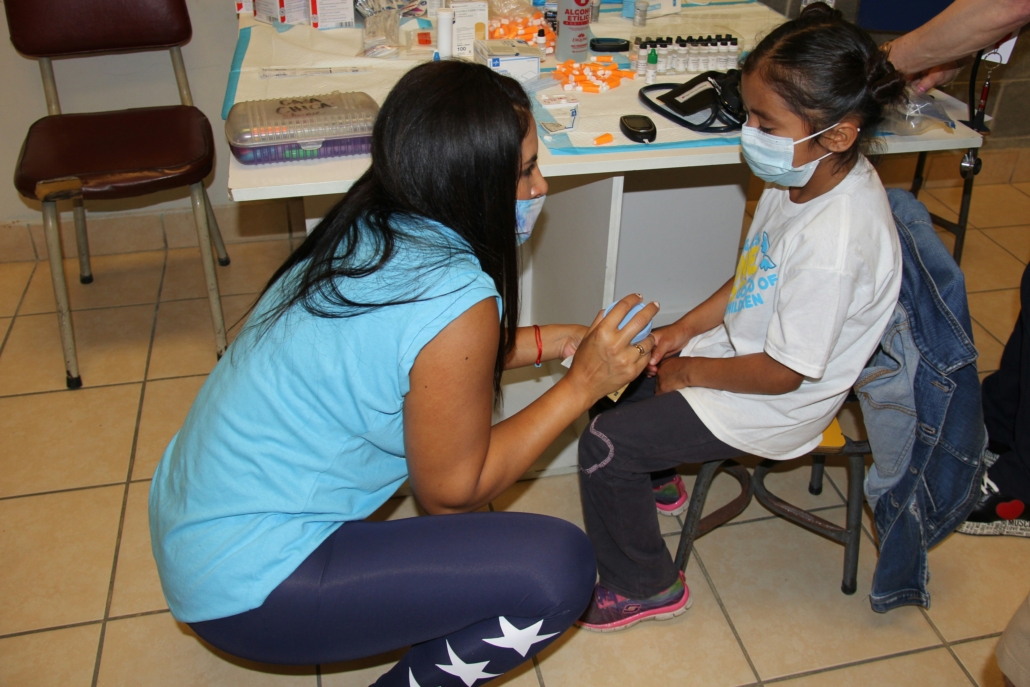 In April 2025, news of a measles outbreak spread through Belize City and lines of anxious parents formed around pop-up clinics. Three months later, health officials announced the containment of the outbreak. This was a promising reminder that while diseases impacting Belize are still a serious threat, public health improvements are very real.
Poverty and Health in Belize
Since becoming independent in 1981, tourism has become the largest economic driver in Belize. Over the past few years, notable progress has occurred in reducing poverty with incidence rates falling from 36.5% in 2021 to 22.1% in 2024. Despite this, the intensity of deprivation among those still affected remains unchanged.
According to the Health Care Access and Quality Index, Belize ranks 55 out of 100, demonstrating visible gaps in both availability and quality of care. Rural populations in particular continue to face the greatest hardships with poverty rates as high as 67.9%. Currently, 23% of health care spending comes out of pocket, leaving low-income families struggling to gain access to essential medical services.
Strengthening Belize’s Health System
In spite of challenges, Belize achieved notable public health milestones, showing that progress is possible amidst poverty. Along with the rapid containment of the 2025 measles outbreak, the country was officially declared malaria-free in 2023.
The Belize Ministry of Health, in partnership with PAHO/WHO, launched the Strategic Plan 2025-2034 to strengthen the health system and modernize health care. This decade-long plan tackles key public health challenges to reduce diseases impacting Belize. Building on this framework, officials established public health campaigns to prevent dengue and implemented rapid immunization response teams, strengthening the nation’s ability to contain outbreaks.
These initiatives demonstrate progress towards improved health outcomes and malaria and measles are no longer a threat. However, there are several diseases that continue to pose significant concern, highlighting areas where continued efforts are essential.
Top 5 Diseases Impacting Belize
- Dengue Fever: This mosquito-borne infection causes flu-like symptoms which can become fatal. Cases of dengue fever surged more than 260% over the last year, mostly in rural areas where access to health care is limited. Currently, there is no treatment, and prevention is focused on mosquito control through improved sanitation and public awareness. Better access to medical services and early detection can lower fatality rates to under 1%.
- Heart Disease: Heart disease is the leading non-communicable disease in Belize, accounting for 11.27% of total deaths. Poverty and food insecurity prevent access to proper nutrition, resulting in reliance on inexpensive high-calorie foods that fuel heart disease. Better access to medical services and trained providers is key to prevention and reduced mortality rates. Leading the way forward is the HEARTS program that allows physicians to better manage heart disease risk factors like hypertension and diabetes.
- Tuberculosis (TB): TB affects 27 people per 100,000 every year. Treatment rates have increased to 80%, but poverty remains a driving factor. Poor nutrition weakens the immune system and increases vulnerability. Limited health care access also delays diagnosis and treatment. The Ministry of Health’s current strategy includes promoting regular checkups and the use of DOTS (directly observed treatment strategy) to improve early detection and diagnosis.
- HIV/AIDS: Belize has one of the highest HIV prevalence rates in Central America. Only 80% of affected individuals are aware of their status with just 60% receiving treatment. Poverty is a significant social factor as low-income populations face limited access to education, health services and prevention resources. Despite these challenges, progress has been made recently in reducing mother-to-child HIV transmission through improved prenatal testing.
- Kidney Disease: Chronic kidney disease is a serious health threat to Belizeans experiencing poverty. Limited access to nutrition, treatment and prevention resources increase the risks and mortality rate. Currently, less than 4% of affected people are aware of their condition. Efforts like the Capacity Building Project for the Prevention and Control of Chronic Renal Failure are now focused on training providers and educating communities to improve prevention and care.
Building on Progress
With diseases impacting Belize still a major concern, efforts to address poverty and expand health care access are vital. The Cornerstone Foundation is currently a key player in those efforts. Through community-driven programs it is:
- Providing relief and aid through food assistance programs, health care services and job training.
- Supporting government initiatives to provide basic nutrition, clean water and healthy sanitation to underserved areas.
- Offering health programs that include outreach and education, clinical services, senior support and natural healing initiatives.
- Raising awareness of the HIV/AIDS epidemic, supporting prevention and disease management.
Despite these efforts, and those of other organizations, challenges remain to reduce diseases impacting Belize. Poverty is a key barrier, restricting access to proper nutrition, clean water and quality medical services. By expanding health care access, improving clinics, training health care workers and strengthening immunization and prevention programs, Belize can build on its progress and success.
Persistence and continued effort are essential to ensure health improvements for all communities. The quick containment of the 2025 measles outbreak reminds us that progress is real. Sustained commitment will bring healthier futures to all Belizeans.
– Tina Kusal
Tina is based in Montrose, CA, USA and focuses on Global Health for The Borgen Project.
Photo: Unsplash
