Innovations in Poverty Eradication in Nicaragua
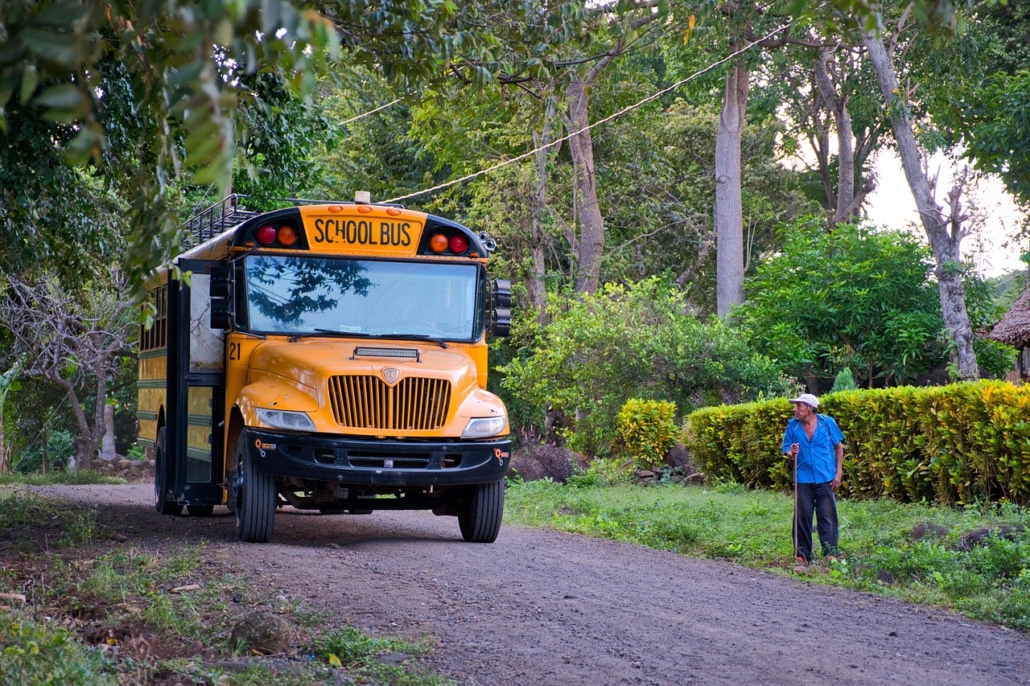 In 2006, Nicaragua had 50% of its population living in poverty. The Latin American country is one of the poorest in the region, characterized by low income and a substantial food deficit. The country is susceptible to natural disasters, including earthquakes, hurricanes, floods and droughts, which significantly impact the primary livelihood of the population working in agriculture. These disasters corrupt crops and restrict access to food, creating a recurrent cycle of poverty. Here is information about poverty and poverty eradication in Nicaragua.
Energy Crisis in Nicaragua
Between 2005 and 2006, Nicaragua experienced an energy crisis that resulted in repeated electricity supply interruptions lasting 8 to 12 hours. This crisis was primarily due to a deficit in generation capacity, which stemmed from limited growth in installed capacity, the long-term unavailability of existing large power plants due to extended maintenance periods and dry winters that reduced output from hydropower plants. Rising oil prices worsened the situation, which in turn increased the costs of oil derivatives, including transportation fuels and fuels used for electricity generation, such as fuel oil and diesel. As a consequence, electricity prices also rose significantly. The energy distribution company incurred substantial transmission and distribution losses but was unable to pass these costs on to customers, resulting in a severe liquidity issue for the company.
Food Insecurity in Nicaragua
With approximately 45% of its population living on less than $1 per day, aid organizations have identified food insecurity as a critical development issue in the country. This challenge is primarily due to limited access to affordable food rather than an actual shortage of food supply. During the Global Food Crisis from 2006 to 2008 and in light of ongoing fluctuations in global markets, the prices of essential food items in Nicaragua have increased considerably, resulting in heightened price instability. Consequently, it is estimated that nearly 30% of the Nicaraguan population suffers from undernourishment, with women and children being particularly vulnerable to the impacts of food insecurity and undernutrition.
The Nicaraguan people elected the Sandinista National Liberation Front, whose priorities included reducing poverty, focusing on education, providing free health care and improving community infrastructure. The party addressed these goals with government programs and global organizational support.
Sustainable Electrification and Renewable Energy
Since 2007, the government has focused its attention on poverty eradication in Nicaragua through national development. In 2010, the SNLF launched the National Program for Sustainable Electrification and Renewable Energy (PENSER) framework, aiming to provide access to modern and endurable electricity services.
The project received funding from the OPEC Fund for International Development and various development finance institutions. The funds strived to improve existing power structures through repairs and upgrades, enhancing energy access. The project’s extended purpose included providing employment opportunities and ensuring stable electricity access to households in rural communities. Furthermore, the scheme aimed to reduce energy costs for goods and people, thereby improving access to essential services, including health, education and social welfare.
The World Food Programme
A fifth of Nicaraguan households live in poverty, and nearly 7% of residents live in extreme poverty. The World Food Programme (WFP) has been working in Nicaragua since 1971, supporting projects that promote food protection, nutrition, livelihood repair and sustainable market access. The WFP provides hot meals for more than 180,000 students through the National School Feeding Program of the Ministry of Education, as well as ready-to-eat food kits during disasters. The organization supports the development of smallholder farmers through sustainable food systems. It helps farmers improve their economic resilience through crop diversification and increase access to insurance, which in turn enhances their climate resilience.
A lack of food stability is linked to the growing climate disasters plaguing Nicaragua, including droughts, hurricanes, earthquakes and floods. Therefore, the WFP’s continued contribution to the country, which relies heavily on agriculture, provides support and funds to key social and health services.
Looking Forward
According to the World Food Programme, poverty eradication efforts in Nicaragua have decreased poverty by 25.1% in 2023. Since the implementation of the PENSAR and WFP contribution, the country has the best roads and hospitals in the region, a 70% reduction in maternal mortality rates, and ranks number one in the world in educational attainment for women and girls, as well as sixth for overall gender equality. The project’s growth continues to improve the lives of the Nicaraguan people and the communities in which they reside.
– Phoebe Guildford
Phoebe is based in Cardiff, Wales and focuses on Good News for The Borgen Project.
Photo: Pixabay
