Mind Over Matter: Mental Health in Kenya
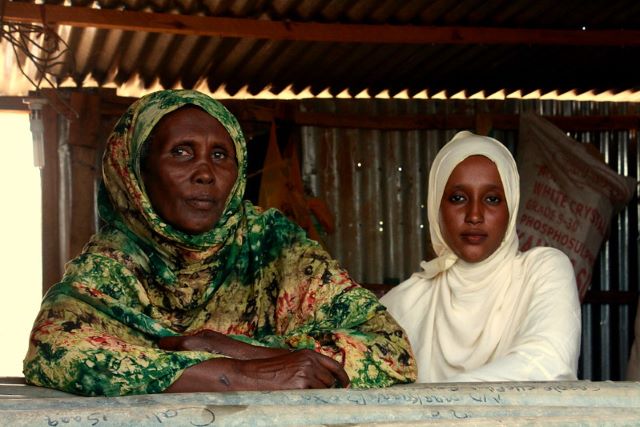 It is estimated that 11.5 million, or one in every four Kenyans, have experienced mental illness. Common mental health issues in Kenya include disorders due to substance abuse, neurotic and personality disorders, as well as dementia. However, the country has limited resources for those struggling with mental health issues. As of 2015, there were only around 12 neurologists and 100 psychiatrists in Kenya. Furthermore, mental health-related stigma decreases the accessibility of care since it can lead to discrimination. Greater awareness of mental health issues as well as providing more resources for those suffering from mental illnesses and disorders can aid in increasing the quality of life of those struggling with mental health issues in Kenya.
Mental Health Care Project
In 2015, the National Academies of Sciences, Engineering and Medicine’s Forum on Neuroscience and Nervous System Disorders and Board on Global Health created a demonstration project with the goal of improving the state of mental health in Kenya. The project focused on mental, neurological and substance use (MNS) disorders in Kenya, specifically alcohol abuse, depression and epilepsy because of the high burden of these conditions. The project addresses the limitations of Kenya’s healthcare infrastructure, lack of availability of medication and data in regard to MNS disorders. Additionally, the project emphasizes the potential benefits of incorporating traditional and faith healers (TFHs) into the Kenyan healthcare system. Kenyans who struggle with mental illness often rely on TFHs for care because of their wide accessibility. Because TFHs are viewed with acceptance among communities, the project encourages the collaboration between TFHs and healthcare practitioners.
Mental Health Stigma
Kenyans living with mental disorders often experience stigma on multiple levels. Stereotypes surrounding those with mental illnesses lead to public stigma, especially since many people associate mental illnesses with evil. Furthermore, those struggling with mental disorders may internalize others’ negative perceptions of them, impacting how they view themselves and their overall quality of life since it can lead to loneliness and isolation. Stigma is a factor preventing Kenyans from receiving efficient treatment. Therefore, greater public education on mental disorders and providing more resources for treatment can improve the lives of those living with mental disorders in Kenya. A better understanding of mental health in Kenya will aid in the destigmatizing of mental disorders, leading to effective treatment.
Kenya’s Mental Health Response
In 2005, in collaboration with WHO, Kenya created a program to implement mental health into the country’s healthcare system. This was done by training healthcare staff across the country. The outcome of the project proved the possibility of educating healthcare workers through courses in mental health.
Furthermore, in 2014, Kenya presented the Mental Health Bill, which proposed providing resources for those with mental illnesses, including treatment, care and rehabilitation. The law has yet to be enacted. If implemented, the legislation aims to address the inequality in mental healthcare and to ensure greater accessibility of mental health services in Kenya.
Despite the strides taken by the Kenyan Government to address mental health, it is necessary to further these efforts in order to improve the overall healthcare system. Greater awareness of mental illnesses and how they can be treated is imperative to advance mental healthcare in Kenya.
– Zoë Nichols
Photo: Flickr
