10 Facts About Life Expectancy in Slovenia
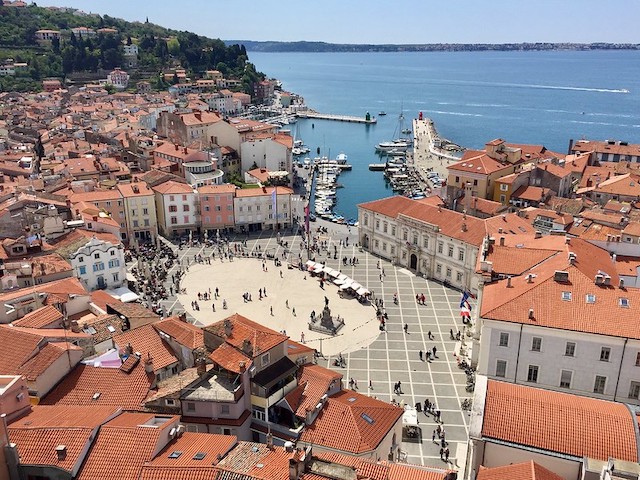 Slovenia is a small, coastal country in Southeastern Europe. It is an average country in the E.U. by many measures; however, the average life expectancy is higher than many of its neighbors despite commonly held unhealthy habits. Here are 10 facts about life expectancy in Slovenia.
10 Facts About Life Expectancy in Slovenia
- Life expectancy and Healthcare: The life expectancy is higher than in the U.S. despite the fact that the U.S. spends markedly more on diagnostic medical equipment and screenings. The highest health care expenditure per capita is held by the U.S. By contrast, Slovenia ranks number 24 in the world and has a socialized health care system.
- Life expectancy Average: The average life expectancy at birth is 82 years. This is significantly higher than its neighbors Bosnia, Croatia, Hungary and Serbia and that of the E.U. as a whole. A rapid increase in life expectancy at birth in recent years is likely the cause.
- High Mortality Rate with Cancer: Mortality from Cancer is higher than the OECD average of 201. About 243 people per 100 million die from cancer. It ranks third-highest for all OECD countries, and the most common cause of death from cancer is lung cancer. However, the cancer mortality rate has been falling in recent decades.
- Increased Life expectancy at Birth: Life expectancy increased drastically from 1997-2014. One study largely attributed the rise to a proportional decline in deaths from circulatory diseases and cancer during that time. There were greater gains for older adults than for adults of working age. Like many countries in the world, Slovenia might face new socioeconomic challenges due to an aging population.
- Rise in the Average Age of Death: The average age of death rose 10 percent between 1987 and 2017. In 1987, it was 68.8% and rose to 77.7% in 2017, according to the Statistics Office of Slovenia. People lived longer in southwestern Slovenia than in northeastern Slovenia. The Mediterranean lifestyle in the south is thought to account for some of the difference.
- Support System: Around “92% of people believe they know someone they can rely in a time of need.” This fact might be one of the biggest reasons behind the relatively high life expectancy in Slovenia. A 1995 study that followed adults from 18-95 showed that those that had adult children or living parents saw an increase in life expectancy. However, the study did not see an increase in adults that had children living at home.
- The Suicide Rate Is Declining. The suicide rate still remains high in Slovenia, but it is at a much lower level than it was 15 years ago when the number of deaths attributed to suicide was 529 people. In 2015, 388 people committed suicide. That is the first time that the number of deaths fell below 400 in four decades. NGOs have aided in suicide prevention by offering psychological assistance and creating suicide helplines.
- Lower Life Satisfaction: Slovenians are less satisfied with life compared to the OECD average. Despite having a high life expectancy, Slovenians are not particularly satisfied with their lives on average. Wealth inequality is high with the top 20% earning four times as much as the bottom 20%.
- Slovenians Smoke and Drink More than Average. Around 19% of Slovenians smoke every day. It has the fifth-highest alcoholism rate both of which may contribute to the country’s high, though falling, rate of cardiovascular disease.
- Slovenians Exercise More than the OECD Average. Universities promote exercise in Slovenia. They also eat more fruits and vegetables than average. Both of these habits might be helping to balance out the deleterious effects of some of the bad habits of Slovenians.
These 10 facts about life expectancy in Slovenia show that the country has a number of issues to address in the area of health. However, life expectancy in this country is relatively high. Good social support as shown by the fact that 92% of people feel they have someone they can turn to in need may be one of the reasons. With increased awareness of the mental and physical health challenges the country faces, Slovenia’s life expectancy will most likely continue to increase.
– Caleb Steven Carr
Photo: Flickr
