WHO’s 2019 Humanitarian Response Plan for Libya
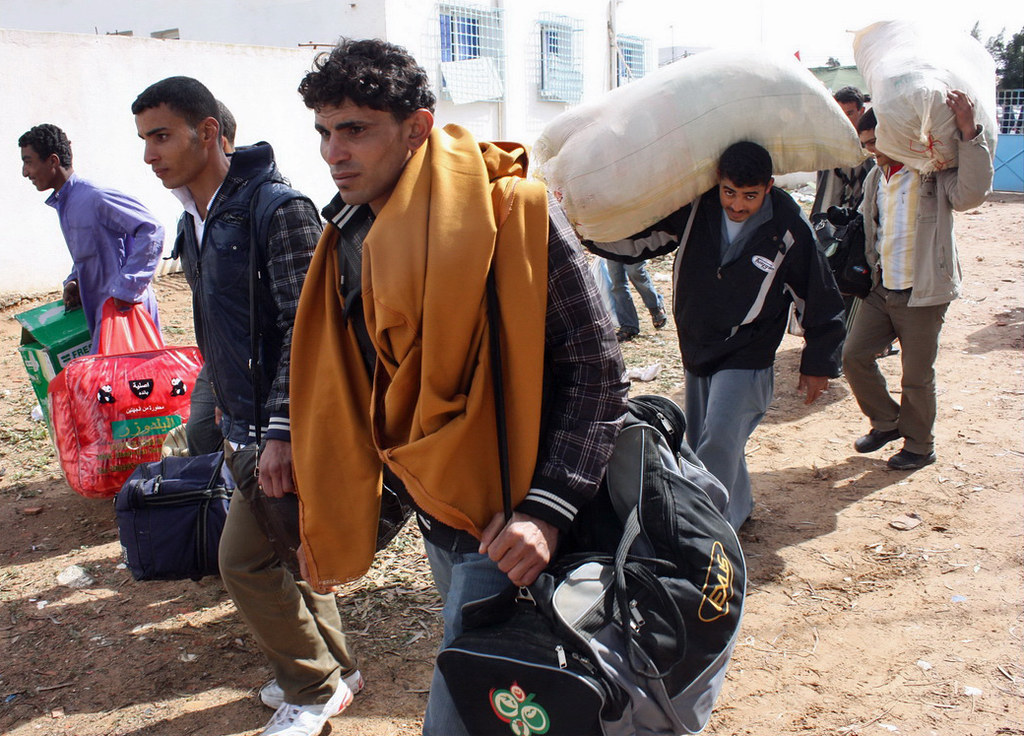
In Libya, approximately 823,000 people are in need of humanitarian assistance. This prompted the World Health Organization to create a Humanitarian Response Plan for Libya (HRP). Through this plan, WHO targets 552,000 individuals suffering from the Libyan Crisis, which stems from the Arab uprisings and revolts in 2011.
WHO, as well as partner organizations, plans to provide humanitarian assistance that focuses on key needs such as protection, access to healthcare, education, safe drinking water and sanitation and access to household goods such as essential food and non-food items (NFIs). Here is a look inside WHO’s 2019 Humanitarian Response Plan for Libya.
Humanitarian Response Plan for Libya
WHO’s Humanitarian Response Plan for Libya targets seven sectors: education; health; protection; water, sanitation and hygiene (WASH); food security; shelter and non-food items and multipurpose cash. The health sector has the largest portion of people in need, with approximately 554,000 individuals. The two main objectives of the Humanitarian Response Plan for Libya are to
- “provide and improve safe and dignified access to essential goods and critical public services in synergy with sustainable development assistance,” and
- “enhance protection and promote adherence to International Humanitarian Law, International Human Rights Law and International Refugee Law.”
This plan requires $202 million in funding. Therefore, each sector has designated funding based on the goals it plans to implement. The main sectors and their goals are as follows.
- Protection: The protection sector is geographically focused. The prioritized areas have the most severe conditions. The 2019 plan intends to bridge the gaps in data regarding protection from past years. The HRP also plans to expand protection monitoring, protection assessments and quality of services as well as reinforce community-based responses.
- Health: Several healthcare facilities were destroyed and damaged during the crisis. Non-communicable diseases have started to spread throughout Libya as well. The plan provides access to health services at primary and secondary levels. It also aims to monitor diseases. In addition, the plan prioritizes WASH programs, mental health and psychosocial support.
- WASH: Another key focus of the Humanitarian Response Plan for Libya is WASH. The plan hopes to focus its attention on newly displaced persons. Thus, the goals of the WASH sector aim to improve WASH facilities in detention centers, respond to urgent needs and technical support. In doing so, the plan hopes to ensure children have access to safe WASH facilities. It also advocates for the repair of the Man-Made River Project. Moreover, this sector will collaborate with the education sector.
- Education: The education sector plans to target 71,000 individuals. Children in high conflict areas are being mentally affected by trauma and distress. These can further affect school attendance and performance. The HRP wants to improve formal education by means of teacher training and provide more supplies for educators. As such, this sector will also prioritize mental health in grades 1-12.
- Shelter/NFIs: Shelter and NFI sector focuses on the population displacement as well as damages to infrastructure and homes caused by the uprisings. This sector seeks to secure safe housing for those who are displaced. This sector targets about 195,000 individuals to receive shelter aid.
Overall, the Humanitarian Response Plan for Libya is making strides. As of June 2019, WHO has provided trauma kits and emergency medical supplies to 35 healthcare facilities. This is an increase from the first provision in March. Similarly, medicines for chronic and infectious diseases have been given as well as insulin. In terms of mental health, in January, WHO trained 22 participants in mental health through primary health facilities. The sector also provided training for maternal and reproductive health as well. With this momentum, in time, WHO will continue to meet the goals and targets of the 2019 Humanitarian Response Plan for Libya.
– Logan Derbes
Photo: Flickr
