Top 5 Facts About UK Foreign Aid
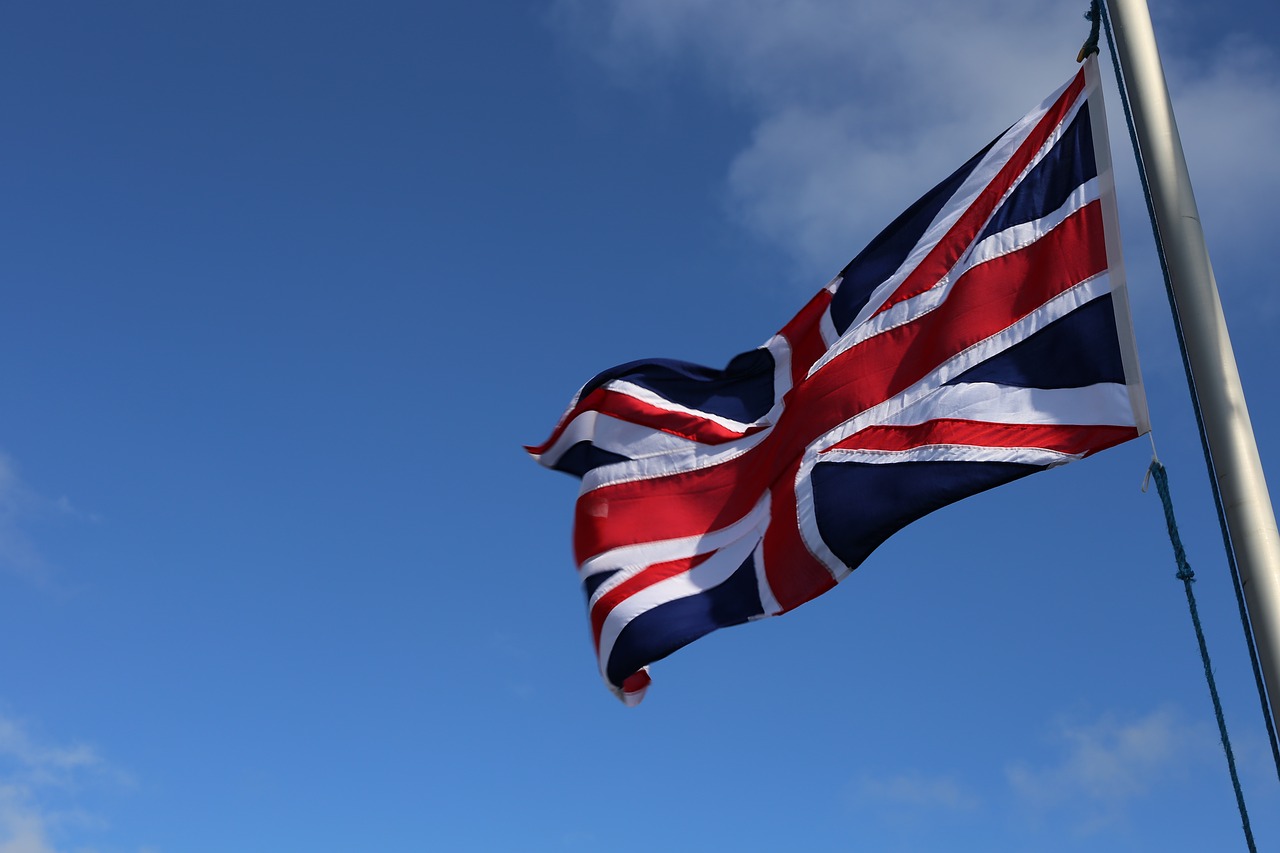 As one of the most economically developed countries in the world, the U.K. plays a tremendous role in global prosperity. In 2017, the United Kingdom’s gross domestic product per capita was $39,953.60. Here are the top five facts about U.K. foreign aid.
Top 5 Facts About UK Foreign Aid
- How much is being spent?
Since the 1970s, the United Nations has been urging all developing nations to invest 0.7 percent of their gross national income in overseas aid. This is in collaboration with the Millennium Development Goals, which aim to improve international welfare. The U.K. agreed and reached this target in 2013, along with five other countries. Shortly after, the U.K. included this goal in its legislation. By 2015, the U.K. legally required 0.7 percent of its G.N.I. goes toward foreign development. By 2016, the U.K. spent £13.3 billion ($16.9 billion) on international aid. As the U.K. economy continues to grow, the amount the U.K. spends each year does, too. - What are the goals?
On top of legislation, the U.K. created an aid strategy. The four primary goals of this strategy include promoting global peace, strengthening crises response, aiding in international development and helping the world’s most impoverished people. The government aims to do so by implementing several tactics. For example, 50 percent of all the Department for International Development’s (DFID) spending goes toward aid in developing nations. Moreover, it funds a £1 billion commitment to global health. - How is funding being spent?
The DFID spends approximately 74 percent of government spending. Smaller departments within the government spend the remaining 26 percent. Most funding (63 percent) goes toward bilateral aid, sent directly to countries in need. Organizations, such as the U.N., distribute the remaining funds. The top recipients of aid include Pakistan, Ethiopia and Nigeria. In 2015, humanitarian projects received the most amount of support. In order to ensure success and public awareness, the DFID site collects data to track foreign aid spending. - What does the government think?
Conservative parties within the U.K. have argued to reduce foreign aid. Accordingly, these parties believe the money could be better spent domestically. After the 2016 Brexit referendum, concern surrounding foreign aid increased. However, in 2017, Prime Minister Theresa May publically supported the 0.7 percent target goal. Bill Gates has also been a large advocate in support of U.K. foreign aid. In several interviews, Gates has expressed the U.K. should be proud of its contributions toward international poverty reduction. - How does U.K. foreign aid compare?
Since 2013, the nation has become a global leader in humanitarian aid. It is known as one of the first nations to offer assistance during crises. The U.K. provided relief during Hurrican Irma and the Ebola outbreak in Syria. In 2016, the U.K. ranked fifth in international aid, behind Norway, Luxembourg, Sweden and Denmark. Norway gives more than 1 percent of its GNI to foreign aid, making it a model for other countries.
Overall, the U.K. should be proud of its contributions. These top five facts about U.K. foreign aid demonstrate the nation has contributed billions of pounds to reducing global poverty. For the future of society, may the U.K. continue to grow and prosper, deepening its stance against global poverty.
Photo: Google Images
