Women’s Rights in the Philippines: A March for Equality
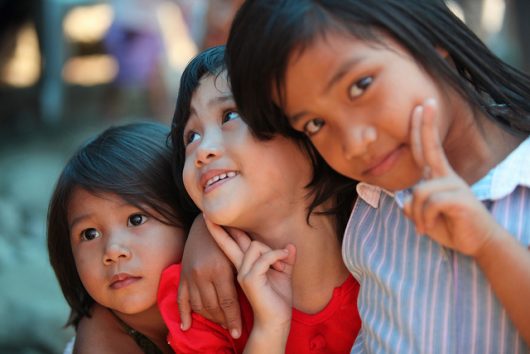
Women in the Philippines took to the streets on June 11, 2018, to protest the sexist remarks made by Filipino President Rodrigo Duterte in reaction to recent scandals. Women in the march for equality claim that it is time they are treated equally especially by their government and its officials. This is part of a larger movement of women’s rights in the Philippines that has been growing over the past few years.
Protest Day
The day of the protest saw unrelenting rain and gloom yet over 1,000 women and men took to the streets to protest Duterte. Some of the protesters’ main grievances against their president were his remarks about encouraging sexual assault between soldiers and female rebels, and his unapologetic joking about violence against women.
The women’s march was largely mobilized by an online movement that became viral in the Philippines through the hashtag, #BabaeAko, which translates to I am a Woman. This online trend was similar to the #MeToo movement and created a space for women to voice their experiences with misogyny.

The Progress of Recent Years
These movements, however, were not a new trend, as many advancements have been made in women’s rights in the Philippines in recent years. In 2015, the Philippines moved up in the Global Gender Gap Index from ninth place to seventh place. Women’s rights in the Philippines also saw a promising progression in the same year through its advanced ranking in the World Economic Forum report measuring gender equality. Out of 145 countries globally, the Philippines has the best ranking for gender equality in the Asia-Pacific region.
The World Economic Forum reported that the recent progression of women’s rights in the Philippines is largely due to higher female economic participation and opportunity. This was seen most influentially through its rising number of female legislators, officials, and managers. The country also saw an increasing rate of female professional and technical workers.
Noteworthy Legislation
These great advancements are largely due to the many initiatives in the Philippine government that attempt to advance women’s rights and eliminate violence against women. One of the major accomplishments is the passage of the Republic Act No. 9262, which is also known as the Anti-Violence Against Women and Children Act. This act was signed into law on March 8, 2004, as part of International Women’s Day.
This law criminalizes violence against women and children, including abuse and assault, within intimate relationships as well as within the family. This act also created the Inter-Agency Council on Violence Against Women and Their Children. This council is made up of 12 departments, each with a different focus to ensure equal treatment of women under the law. Some of these include Social Welfare and Development, Health, Education, Welfare of Children, Justice, and more.
The Philippine Commission on Women, a committee that is part of the Philippine government, currently is engaged in multiple projects. One of their major projects is titled The Gender Responsive Economic Actions for the Transformation of Women Project 2, set to be completed between 2014 and 2020. This development is a sequel to a project of the same name that was enacted between 2006 and 2013. The current initiative focuses on the need for scaling-up women-led micro-businesses, increasing local resources to develop female leaders, and engaging corporations to accelerate the growth of women’s businesses.
The Philippines is taking great strides at both the governmental and civil level. Philippine citizens demand higher standards regarding the treatment of women from their government officials, and also empower themselves and others through an online community. The Philippine government also works to ensure a progression in women’s rights through its many projects, and the successful outcomes of these initiatives are seen as the Philippines rises in world rankings for gender equality.
These trends for women’s rights in the Philippines seem to only increase in quantity and successfulness as the years go on. As women’s rights move to the forefront in many nations across the globe, the Philippines continues to be a strong advocate.
– Theresa Marino
Photo: Flickr
