Pediatric Heart Disease in Developing Countries
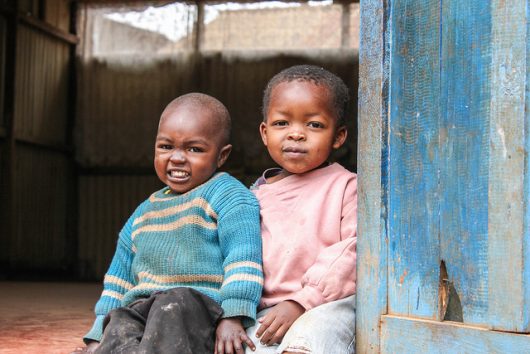 Pediatric heart disease is seen throughout the world and causes grave sickness in children. It is often complicated and hard to treat. With poverty and lacking resources, pediatric heart disease in developing countries becomes nearly impossible to manage.
It is difficult to determine how many children have heart disease because of lacking global data. Figures are generally surmised from industrialized nations. Since better diagnostics were implemented, experts estimate that 8-12 per 1,000 live births have heart disease. Children can also develop heart disease from heart rhythm disorders and infections (among other things).
Children with heart disease have very complicated health situations. Those born with a heart defect may have other birth defects. And as treatment improves and children live longer, they develop secondary diseases such as kidney failure.
Their situation is worsened by a lack of knowledge in developing countries. There is a common misconception that children do not develop heart disease. Parents may not recognize the serious symptoms, and as a result, children are often diagnosed later in life when treatment is harder and more expensive. Medical professionals do not always recognize heart disease in children, leading to misdiagnosis.
Worldwide, heart disease is expensive to treat. In the U.S. in 2009 the hospital cost of treating heart failure in children was thought to be $1 billion. This figure does not include outpatient visits, medications, treating secondary conditions, transportation and parents’ lost work.
Funding treatment of pediatric heart disease in developing countries is challenging. There is a lack of data to guide medical policy and infrastructure and the disease is likely under-reported. When poor countries decide how to best spend small healthcare budgets, it seems plausible to focus on more prevalent conditions that are cheaper to prevent, such as infection.
Providing adequate cardiac care requires significant resources. For simple heart surgeries, sterile consumables (such as drapes) are needed, as well as sophisticated equipment and trained personnel. More complex heart conditions may require more advanced equipment and highly educated providers.
Many children with heart disease in developing countries have surgically curable defects. Yet, because of costs, these children receive simpler “quick fix” surgeries. Another issue that developing countries have with providing acceptable heart surgeries is they often struggle with clean water and electricity, which are crucial in running any hospital.
Fortunately, many organizations see the struggle of treating pediatric heart disease in developing countries. In 2015, there was a survey of NGOs that provide care for this population. The survey lists more than 80 NGOs.
Some of these organizations perform mission trips to developing countries, where they perform heart surgeries in the local hospitals. Others bring children into industrialized nations for surgery and take them back after recovery. In some instances, organizations have worked with the country and local healthcare providers to build lasting cardiology programs that can serve the country more permanently.
Pediatric heart disease is a complicated condition. While seen throughout the world, it has a greater impact in developing nations because of higher birth rates. This does not mean it is not treatable. With great investment from NGOs and governments, children in developing countries can have the same outcomes as those in industrialized nations.
– Mary Katherine Crowley
Photo: Flickr
