Prioritizing and Improving Human Rights in Tuvalu
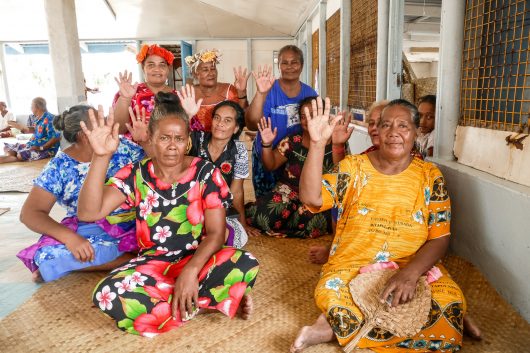 Human rights violations occur to some groups in Tuvalu. Social patterns and traditions cause discrimination against women and minority religious groups. Women still lack land and child custody rights, and domestic violence remains a problem in the country. These violations call for an improvement and show why human rights in Tuvalu need to be a priority.
In November 2015, Prime Minister of Tuvalu, Enele Sopoaga, stated that climate change threatened the core principles of Tuvalu’s human rights. Sopoaga added that human rights are essential to developing Tuvalu’s climate change solutions, especially for Tuvaluans without access to food and water. Tuvalu plans to express this issue at international climate meetings.
Tuvalu’s 2016 human rights report revealed that some human rights were already in place for the country. There were no reports of government officials or agents committing unlawful killings. The report also stated that Tuvalu’s constitution prohibits cruel, inhumane or degrading treatments for crimes. No government officials were reported to have committed these crimes either.
Tuvalu’s 2016 human rights report also reveals no prison or detention center conditions that would raise human rights concerns. No deaths were reported in Tuvaluan prisons, and the government received no complaints of inhumane prison conditions. A “people’s lawyer” would take any complaints or concerns that prisoners had.
In July 2016, the Pacific Community worked with Tuvalu’s government to formulate the country’s first national action plan for improving human rights. The national action plan would focus on improving rights for women, children, disabled people and other Tuvaluan minority groups. The national action plan would also provide a timeframe for addressing these human rights issues.
Enele Sopoaga opened a consultation on the plan. Government ministers, permanent secretaries, judiciary members and other Tuvaluan officials attended Sopoaga’s meeting to discuss the country’s key human rights issues. The government’s leadership in making commitments was greatly appreciated as a way to improve human rights in Tuvalu.
In January 2017, the country’s government launched a national action plan on human rights in Tuvalu. Tuvalu’s government plans for donors, development partners and other entities to ensure that the action plan’s goals and objectives are fulfilled. The national action plan will especially help Tuvalu’s elderly, women, children and disabled residents.
Romulo Nayacalevu, the Pacific Community’s senior human rights advisor, added that Tuvalu is the first country in the Pacific to launch a human rights action plan. Nayacalevu added that human rights include not only civil and political rights but access to education, water and healthcare. This means that Tuvalu could have these opportunities as well.
Human rights in Tuvalu are expected to improve with the national action plan in place. Women, disabled residents, children and other minority groups in the country now have the potential to see positive outcomes from these changes, and Tuvalu’s people can hope for a positive future so long as Tuvalu’s government keeps its promise to improve human rights.
– Rhondjé Singh Tanwar
Photo: Flickr
