7 Organizations Helping People in Guatemala
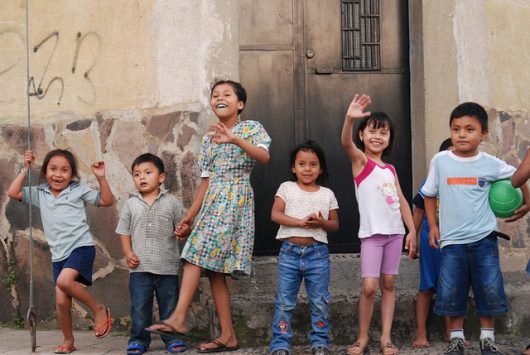
Out of a population of 16.3 million, 59 percent of Guatemalans live in poverty, and 23 percent live in extreme poverty. However, efforts are being made to improve living conditions for the country’s people. Here are some organizations that are setting examples of how to help people in Guatemala.
7 Organizations Helping People in Guatemala
- The World Food Program (WFP) has worked in Guatemala for 43 years and supports the country’s residents with essential services. In 2016, they provided food to 627,400 people and aid to 16,875 drought-affected homes. WFP also advocates for a country strategic plan that focuses on overcoming Guatemala’s food security and nutrition challenges.
- SOS Children’s Villages offers counseling and training programs to Guatemalan families. They also provide children with nutritious food and housing if they cannot live with their families. For young people who are victims of poverty and violence, SOS supports and trains them to accomplish their goals.
- ActionAid helps Guatemalans access education, health, and other necessary services. Since the country’s rural area has few schools above the primary level, the organization’s distance learning program allows students to hear class lectures on the radio. ActionAid also runs disaster workshops that prepare Guatemalans for earthquakes, fires and other natural disasters.
- Children International utilizes various tactics to help Guatemalans. They teach residents the fundamentals of proper nutrition, provide school uniforms to poor families who cannot afford them and teach Guatemala’s youth important life and job skills. As a result, Guatemalan teenagers now score 85 percent on leadership knowledge assessments (above the global average) and 89 percent on management skills.
- Mayan Families uses education and community development programs to help the impoverished communities of Guatemala’s Lake Atitlán region. In 2015, they operated six centers that focused on bilingual fluency, early childhood literacy, parental education and nutrition. The nutrition programs have also improved Guatemalan children’s weight, oral hygiene and scholastic performance.
- Habitat for Humanity has supported 75,605 Guatemalan families since 1979. In 2016 alone, they helped 1,718 families. In addition to helping reduce Guatemala’s housing deficit by 4.6 percent, Habitat for Humanity is planning a nine-day trip to teach volunteers how to help people in Guatemala. A professional construction leader will supervise the volunteers while they lay block foundations, dig for septic tanks and perform other tasks in building and improving homes for residents.
- Water For People (WFP) collaborates with Guatemala’s local community and government to ensure that 95 percent or more of the country’s residents can access sanitary water. WFP also works with Guatemalan microfinance institutions to support loans for community water projects. Guatemala’s local government and community provide finances for school and water sanitation systems, relieving underfunded schools of those expenses.
With these organizations and their efforts, Guatemalans could live better lives in the near future. Additionally, programs dedicated to education and learning facilities will make many job opportunities available to the country’s youth. As these organizations continue their work, they show others how to help people in Guatemala.
– Rhondjé Singh Tanwar
Photo: Flickr
