Education for Syrian Refugees in Jordan
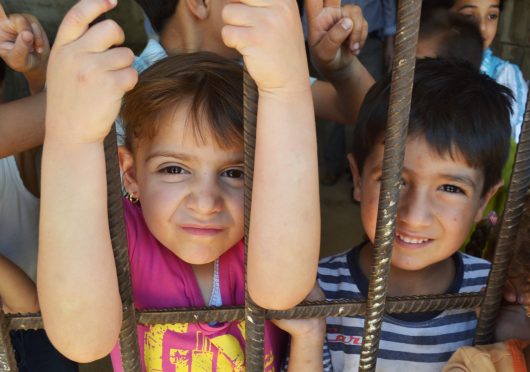 There were 655,833 Syrian refugees registered with the United Nations refugee agency in Jordan in November 2016. Of these immigrants, 87 percent live below the national poverty line, which is equivalent to $95 per person each month. The average debt for Syrian households living outside refugee camps rose to $1,000 each by the end of 2016. In addition, 26 percent reported financial dependence on family members holding exploitative, high-risk or illegal jobs in order to meet basic needs. Education for Syrian refugees in Jordan is a failing system that needs adjustment.
The Syrian refugee crisis remains the most prominent humanitarian disaster in recent history. According to UNICEF, the most fundamental act for reconstructing a stable community is providing equal access to education for Syrian refugees.
Approximately 265,000 out of the nearly 660,000 Syrians registered in Jordan are under the age of 18. The U.N. reports that 97 percent of these children are at risk of not attending school due to financial hardship.
Jordan spends more than 12 percent of its GDP on education, yet the school system is still in need of financial support. The system struggled even before the influx of refugees from Syria.
Regarding access to education for Syrian refugees, the Ministry of Education has opened a number of additional school spaces and relaxed barriers to registration. Consequently, there are now approximately 170,000 refugee children enrolled in the current school year.
The Ministry of Education also created an action plan to open 102 additional double-shift public schools. Thus, the plan will accommodate 50,000 new enrollment spaces. The plan initiated a “catch-up program” administered through public schools. In addition, the plan will operate in conjunction with education ministry teachers and will offer informal education to 25,000 children between the ages of eight and 12. One thousand of these children have already enrolled.
The primary issues regarding access to education for Syrian refugees surround legal status and documentation, restrictions on business ownership and school dropout rates among migrant populations. The Ministry of Education seeks to address each of these issues through its reformed action plan.
To provide some support, UNICEF’s 2017–2018 No Lost Generation initiative promises to promote equal access to integrated child protection, education, youth engagement and livelihood programs. The initiative is meant to strengthen the quality of education for Syrian refugees.
Still, almost 91,000 Syrian children registered with the U.N. High Commissioner for Refugees remain without access to formal education. A 2016 UNICEF survey conducted within Amman, Irbid and Mafraq found that 10 percent of Syrian refugee families removed their children from school to save educational expenses. Six percent had sent their children to work, and three percent had their daughters married in childhood. Childhood marriages are a common occurrence because they help bear the economic burden and safety concerns associated with refugee status.
Without continuous interest and more equitable support from the international community, the educational situation for refugees will not improve. From healthcare and legal status to job opportunities and education for Syrian refugees, millions, including the internally displaced and host communities, face an uncertain future.
– Jaime Viens
Photo: Flickr
