• Link to X
  • Link to Facebook
  • Link to Instagram
  • Link to TikTok
  • Link to Youtube
  • About
    • About Us
      • President
      • Board of Directors
      • Board of Advisors
      • Financials
      • Our Methodology
      • Success Tracker
      • Contact
  • Act Now
    • 30 Ways to Help
      • Email Congress
      • Call Congress
      • Volunteer
      • Courses & Certificates
      • Be a Donor
    • Internships
      • In-Office Internships
      • Remote Internships
    • Legislation
      • Politics 101
  • The Blog
  • The Podcast
  • Magazine
  • Donate
  • Click to open the search input field Click to open the search input field Search
  • Menu Menu
Blog - Latest News
Children, Education, Gender Equality, Global Poverty, Inequality, United Nations

Effects of Gender Relations in Textbooks
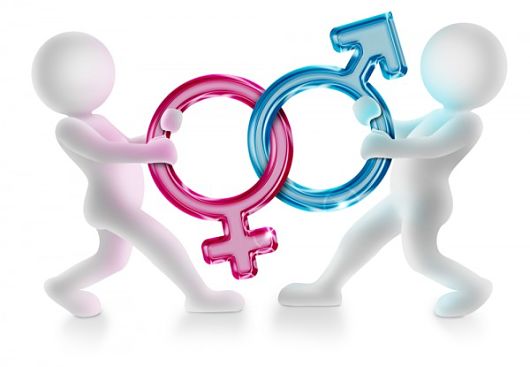
Gender-Relations

The effort to educate the world’s poor is making strides with the United Nation’s new commitment to education, as well as the resourcefulness of people who see a need for their communities. The U.N. proposes that 90% of children have been reached. However, the majority of students are boys and many children who do not attend school are girls.

Getting to school is not the only challenge for girls. Part of the problem are the curricula’s textbooks that depict gender inequality. This is evident in countries like Thailand, Pakistan, Bengal and Kenya.

The stories, images or examples either do not include women or describe them in submissive, traditional roles like cleaning, cooking and serving men. The men are depicted as the ones who hold positions as political leaders, drivers, teachers or doctors. Often, history books leave out influential women in history or do not accurately portray the lives of women. For example, a Thai book shows only a man receiving a land title, when in reality a large portion of the women hold their own land titles. While these biases are subtle, studies have shown that they still reinforce negative stereotypes of women.

Rae Blumberg, who has done extensive research on gender relations in textbooks, insists that “When girls don’t see themselves in textbooks, they’re less likely to envision themselves doing great things.” There are already low percentages of women working in government and leadership positions in these poor nations. The textbooks only “reinforce, legitimate and reproduce patriarchal gender systems” that keep women out of these positions.

The lack of accurate portrayals of women in these positions can discourage young girls from getting an education or trying hard in class. However, educating women and young girls is the key to raising communities out of poverty. For instance, by keeping young girls in school, child marriage can be reduced. There are links between education and lower birth rates and birth mortality. Education can also protect children from diseases and malnutrition through the provision of health information, such as prevention techniques. With an education, girls can make a living and be positive contributors to their community, the economy and their family.

It is important to keep young girls in school. While changing cultural norms that prevent girls from attending school will take time, addressing bias in textbooks is a reasonable start. By replacing the textbooks or having conversations about the bias, more girls can succeed in getting an education that will hopefully eliminate gender biases.

– Katherine Hewitt

Sources: The Guardian, Manushi-India.org NPR, UNESCO Reuters Blogs
Photo: Fabius Maximus

July 9, 2015
Share this entry
  • Share on Facebook
  • Share on X
  • Share on WhatsApp
  • Share on Pinterest
  • Share on LinkedIn
  • Share on Tumblr
  • Share on Vk
  • Share on Reddit
  • Share by Mail
https://borgenproject.org/wp-content/uploads/borgen-project-logo.svg 0 0 Borgen Project https://borgenproject.org/wp-content/uploads/borgen-project-logo.svg Borgen Project2015-07-09 08:03:052024-06-05 03:00:37Effects of Gender Relations in Textbooks

Get Smarter

  • Global Poverty 101
  • Global Poverty… The Good News
  • Global Poverty & U.S. Jobs
  • Global Poverty and National Security
  • Innovative Solutions to Poverty
  • Global Poverty & Aid FAQ’s
Search Search

Take Action

  • Call Congress
  • Email Congress
  • Donate
  • 30 Ways to Help
  • Volunteer Ops
  • Internships
  • Courses & Certificates
  • The Podcast
Borgen Project

“The Borgen Project is an incredible nonprofit organization that is addressing poverty and hunger and working towards ending them.”

-The Huffington Post

Inside The Borgen Project

  • Contact
  • About
  • Financials
  • President
  • Board of Directors
  • Board of Advisors

International Links

  • UK Email Parliament
  • UK Donate
  • Canada Email Parliament

Get Smarter

  • Global Poverty 101
  • Global Poverty… The Good News
  • Global Poverty & U.S. Jobs
  • Global Poverty and National Security
  • Innovative Solutions to Poverty
  • Global Poverty & Aid FAQ’s

Ways to Help

  • Call Congress
  • Email Congress
  • Donate
  • 30 Ways to Help
  • Volunteer Ops
  • Internships
  • Courses & Certificates
  • The Podcast
Link to: The Movement to End Child Trafficking in India Link to: The Movement to End Child Trafficking in India The Movement to End Child Trafficking in India Link to: How Foreign Aid Wins Hearts, Reduces Extremism Link to: How Foreign Aid Wins Hearts, Reduces Extremism How Foreign Aid Wins Hearts, Reduces Extremism
Scroll to top Scroll to top Scroll to top