10 Facts About Refugees in Montenegro
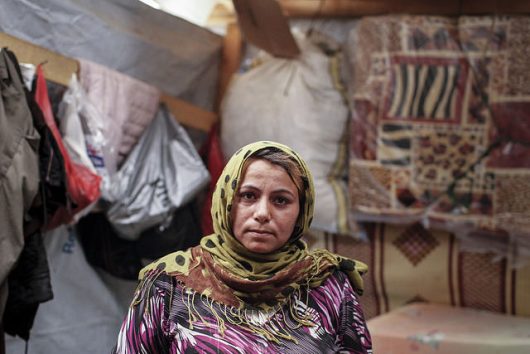
Located on the Adriatic Sea, Montenegro has long been a vacation destination for individuals from all over the world. With picturesque seaside villages and mountains all around, Montenegro is a haven for workers looking to escape a fast-paced life. But this holiday lifestyle has not always been the case for Montenegro. The current refugee crisis affects the atmosphere of Montenegro. These 10 facts about refugees in Montenegro prove that the country is a key world player in providing aid for global conflict and refugees.
- The years 1998 and 1999 saw intense fighting for Kosovo. Although the conflict in Kosovo lasted only a year, nearly half of the population of Kosovo was either internally displaced or forced to leave the country to become refugees elsewhere. Montenegro was one of the countries they fled towards.
- The surge in refugees led to the closure of Montenegro’s border in September 1998. This came only seven months after the beginning of the conflict in Kosovo.
- In April 1999, NATO reported that 33,000 Kosovo natives fled to Montenegro. By the following month, that number soared to 64,000.
- NATO transported thousands of tons of food to refugees across the Western Balkans. The organization reported that by May 1999, NATO had shipped almost 5,000 tons of food to the war-torn areas filled with refugees.
- In one instance during the war, an entire village was packed into a truck and sent away at gunpoint. They traveled from Kosovo to Montenegro in search of safety.
- Although the conflict ended nearly two decades ago, the effects of the influx of refugees remain visible across the Balkan countries. In 2012, the European Union pledged 230 million euros to facilitate housing projects for refugees in the Balkans.
- With close proximity to entry countries such as Greece and Albania, many refugees have simply passed through the country since the start of the refugee crisis in 2015.
- Montenegro is currently not a member of the European Union because its borders are not secure enough to join the EU. Because of this, the country began to ramp up preparations for accession. As more border agents enter the force in preparation to join the Schengen Area, they have begun to monitor the border more tightly.
- At the height of the refugee crisis in 2015, only 1,611 asylum applications were received by Montenegro. Many refugees are choosing to take other routes.
- In April 2017, the unemployment rate reached a staggering 22.8%. This shows why many refugees choose to simply pass through Montenegro, as jobs are scarce.
The migrant crisis that began in 2015 has been nowhere near as profound in Montenegro as the refugee crisis during the war in Kosovo. These 10 facts about refugees in Montenegro show that even the smallest countries can have an overwhelming impact on world events.
– Sophie Casimes
Photo: Flickr
