Clean Water and Empowerment: Women-led WASH in Nepal
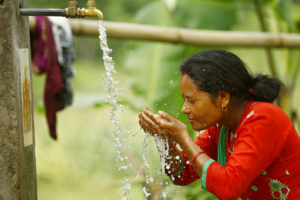 In the rural town of Thantikandh, Nepal, women once sat at the ends of water and sanitary decisions. Now, they are leading efforts to bring safe water and toilets to their community. Supported by SNV Netherlands Development Organization, the local WASH Coordination Committee is recognized for including Nepal’s women and people with disabilities in leadership. Within just 18 months, the area saw a sudden increase in participation in planning safe water access and cleanliness programs.
Chair of the WASH-CC, Mr. Dhir Bahadur Shahi, says, “Previously, we had little knowledge about the particular WASH needs of people with disabilities and women. The Disability Inclusive Development (DID) training, the inclusive WASH assessment and several activities organized by the WfW-BFL project sensitized us. These motivated us to include people with disabilities and women in the WASH-CC at [both] the rural municipality and ward levels.”
Women at the Helm
Across Nepal, women are leading a quiet yet powerful revolution in water and sanitation. In one of the SNV-supported programs, 20 out of 24 hamlets (tole) in Nepal are now managed by women-led WASH committees. In fact, these groups oversee everything from water safety to menstrual hygiene programs and public toilets.
Since placing women in charge of decision-making, projects have seen stronger follow-through and more sustainable outcomes. What was once considered “household work” has now become community leadership, as these women guide a future focused on reducing disease, saving time and improving livelihoods.
The Water and Poverty Connection
While access to water in Nepal has improved dramatically, challenges still remain. UNICEF reports that 95% of Nepalis now use an improved water source; however, 71% of all the water sources and more than 90% of those used by the most vulnerable group are contaminated with Escherichia coli bacteria. Furthermore, a recent BMC Public Health study among the Indigenous Kumal community revealed that 40% of households use surface water as their primary source of water.
Unsafe water leads directly to disease and a missed income, as women often bear the heaviest burden and walking long distances for clean water may still make families sick.
Solutions in Motion
To close these gaps, inclusive programs are changing the way water projects are managed. The Water for Women Fund’s partnership with SNV has reached more than 52,800 people in Nepal through community-led water and sanitation programs. These projects prioritize Gender Equality and Social Inclusion (GESI), ensuring women, people with disabilities and marginalized groups lead the way.
In Sarlahi District, women now head 20 of the 24 local water management committees. Their duties include overseeing sanitation campaigns, managing water billing and advocating for menstrual hygiene in schools. These systems have shifted WASH efforts from temporary aid to sustainable and locally owned solutions.
Beyond Access To Real Empowerment
Water access is only one part of the story, as empowerment fills the remainder. Indeed, through programs like SNV’s “Family Leadership” initiative, women now serve as chairpersons of local WASH committees and lead community outreach. In several Indigenous communities of Nepal, women manage sanitation systems, maintain toilets and run health workshops that reach hundreds of households.
This leadership has built significant trust within communities and strengthened local governments’ capacity to sustain progress. As SNV’s field reports note, women’s involvement has turned WASH work from a top-down effort into a community-driven movement.
The Bigger Picture
Nepal’s journey toward clean water and sanitation is as much about equity as it is infrastructure. With women-led WASH in Nepal, the country is improving health, education and economic opportunities, particularly for those who have long been excluded from decision-making. From Thantikandh to Sarlahi, women have demonstrated that access to clean water can also unlock opportunities for power, dignity and change. Nepal’s progress offers a model for how inclusive leadership can turn basic.
– Tiana Hermes
Tiana is based in Boulder, CO, USA and focuses on Good News and Global Health for The Borgen Project.
Photo: Flickr
