• Link to X
  • Link to Facebook
  • Link to Instagram
  • Link to TikTok
  • Link to Youtube
  • About
    • About Us
      • President
      • Board of Directors
      • Board of Advisors
      • Financials
      • Our Methodology
      • Success Tracker
      • Contact
  • Act Now
    • 30 Ways to Help
      • Email Congress
      • Call Congress
      • Volunteer
      • Courses & Certificates
      • Be a Donor
    • Internships
      • In-Office Internships
      • Remote Internships
    • Legislation
      • Politics 101
  • The Blog
  • The Podcast
  • Magazine
  • Donate
  • Click to open the search input field Click to open the search input field Search
  • Menu Menu
Blog - Latest News
Global Poverty, Sanitation

The Water Crisis in the Middle East
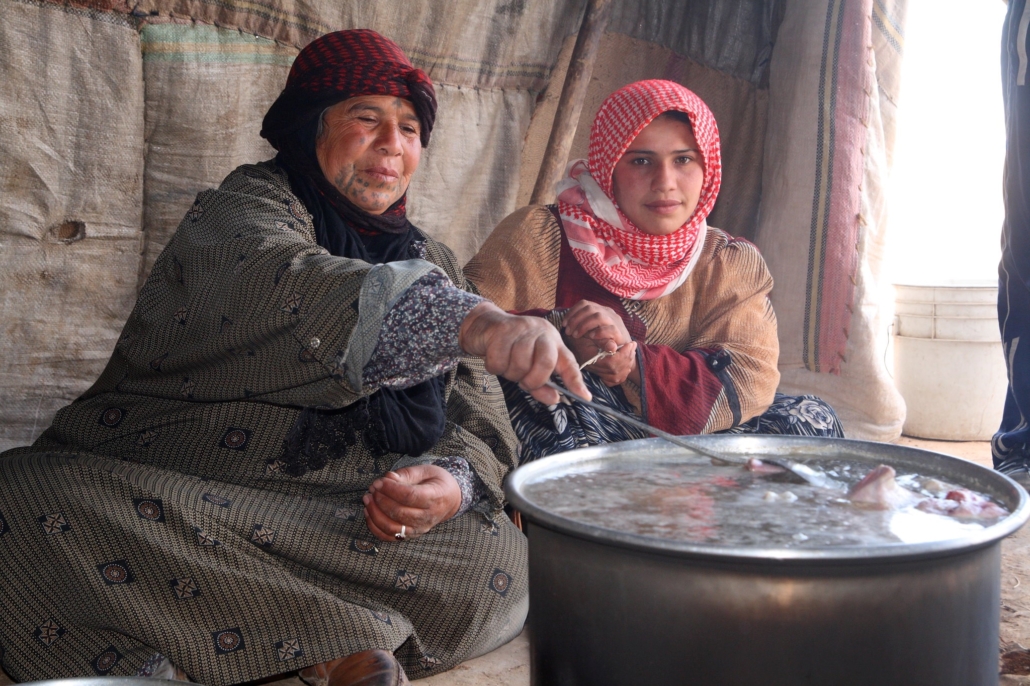
Water Crisis in the Middle East
Syria, Egypt and Afghanistan are among the bottom 10 countries when talking about access to clean water. Water is a primary necessity for human life. Without food the body can survive for up to three weeks, however, without clean water, the body will perish within three to four days, but not before going into shock and fading in and out of delirium. The water crisis in the Middle East is a serious problem now that ongoing conflicts in the region have only worsened.

Afghanistan

Of the three countries listed above, the water crisis in the Middle East affects Afghanistan the least. Despite that, Afghanistan is in the middle of the worst drought it has seen in the past 10 years. In addition, it cannot effectively distribute resources since 40 years of armed conflict following Soviet intervention in Afghanistan has ruined the country’s infrastructure. As a result, about 260,000 Afghani civilians living in extremely dry areas have had to leave their homes, making them refugees.

The drought has drained natural water sources such as the Kabul River Basin, the primary source of water for the nation’s capital. The established system for distributing water is no longer applicable, so civilians must draw water from unofficial wells. In Afghanistan, a country with over 35 million people, 87 percent of accessible water is polluted. Fortunately, India is providing assistance with the Afghan-India Friendship Dam on the Hari River. With further plans to build another dam on the Kabul River, Afghanistan will have water for irrigation and will not have to live with the threat of flash floods.

Syria

In 2006, a massive drought began that would displace tens of thousands of Syrian farmers. By 2011, there were over a million angry, unemployed former farmers in the country ready to fight in a violent civil war that would go on for years. If one said that the water crisis in the Middle East was the proverbial lit match in the powder keg, it would be inaccurate. One cannot, however, deny that it did fan the flames.

Now that tensions are dying down, Syrian civilians have little infrastructure to help provide them with water. Militant groups that occupy water plants and reservoirs hold monopolies on the water for entire regions. Oftentimes, these groups distribute water selectively to blackmail their enemies. Prior to the civil war that started in 2011, water allocation was already inequitable. President Bashar al-Assad allocated more water to fellow members of his particular sect of Islam. Now that Syria is rebuilding its infrastructure, there exists an opportunity to distribute water equally across the country in order to help prevent humanitarian disasters like this in the future.

Egypt

Even in the time of the pharaohs, Egypt has owed its life to the Nile. The Nile is the primary source of water for a country with rice as its number one agricultural export. Rice requires a great deal of water for cultivation and harvest. One kilo of rice needs about 3,000 liters of water. The water in the Nile now contains dead fish due to heavy metals from industrial pollution. Using heavily polluted water diminishes crop yields leading to a further strain on resources.

Egypt faces more than just a drop in the quality of water. As a result of the Blue Nile dam that Ethiopia built, Egypt is also concerned about the quantity of water. By building a hydroelectric dam on the Nile upstream from Egypt, Ethiopia is developing a power grid to reach 86 million Ethiopians living without electricity. Consequently, this will divert about a quarter of the Nile’s water away from Egypt. The Nile supplies 85 percent of Egypt’s fresh water. Egypt has the most to lose in the event of armed conflict breaking out because of its water scarcity, so it is now pushing for diplomatic and scientific solutions to the problem. Negotiating with Ethiopia to share in the dam’s benefits and investments in desalination technology is helping to alleviate the water crisis.

The water crisis in the Middle East is serious and requires much work to alleviate the problem. Through the building of better infrastructure, however, Egypt, Syria and Afghanistan should be able to improve.

– Nicholas Smith
Photo: Flickr

November 14, 2019
Share this entry
  • Share on Facebook
  • Share on X
  • Share on WhatsApp
  • Share on Pinterest
  • Share on LinkedIn
  • Share on Tumblr
  • Share on Vk
  • Share on Reddit
  • Share by Mail
https://borgenproject.org/wp-content/uploads/borgen-project-logo.svg 0 0 Lynsey Alexander https://borgenproject.org/wp-content/uploads/borgen-project-logo.svg Lynsey Alexander2019-11-14 07:30:092024-06-07 05:07:59The Water Crisis in the Middle East

Get Smarter

  • Global Poverty 101
  • Global Poverty… The Good News
  • Global Poverty & U.S. Jobs
  • Global Poverty and National Security
  • Innovative Solutions to Poverty
  • Global Poverty & Aid FAQ’s
Search Search

Take Action

  • Call Congress
  • Email Congress
  • Donate
  • 30 Ways to Help
  • Volunteer Ops
  • Internships
  • Courses & Certificates
  • The Podcast
Borgen Project

“The Borgen Project is an incredible nonprofit organization that is addressing poverty and hunger and working towards ending them.”

-The Huffington Post

Inside The Borgen Project

  • Contact
  • About
  • Financials
  • President
  • Board of Directors
  • Board of Advisors

International Links

  • UK Email Parliament
  • UK Donate
  • Canada Email Parliament

Get Smarter

  • Global Poverty 101
  • Global Poverty… The Good News
  • Global Poverty & U.S. Jobs
  • Global Poverty and National Security
  • Innovative Solutions to Poverty
  • Global Poverty & Aid FAQ’s

Ways to Help

  • Call Congress
  • Email Congress
  • Donate
  • 30 Ways to Help
  • Volunteer Ops
  • Internships
  • Courses & Certificates
  • The Podcast
Link to: China’s Human Rights Violations Against the Uyghurs Link to: China’s Human Rights Violations Against the Uyghurs China’s Human Rights Violations Against the Uyghurs Link to: 3 Nonprofits Helping Syrian Refugees Link to: 3 Nonprofits Helping Syrian Refugees 3 Nonprofits Helping Syrian Refugees
Scroll to top Scroll to top Scroll to top