USAID Sets New Goals for Maternal Health
The United States Agency for International Development, or USAID, is a government organization in charge of allocating funds and aid to global issues.
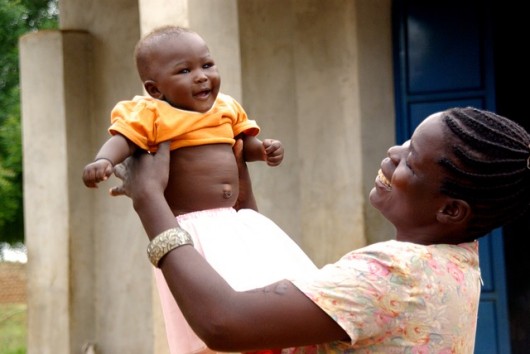
Millions around the globe have felt such power and emotion in the form of kisses, hugs, listening ears, and countless late nights.
However, maternal and child survival continues to be among the key issues that feed into the poverty crisis in developing countries around the world.
According to the UN, “a woman dies from complications in childbirth every minute – about 529,000 each year – the vast majority of them in developing countries.”
As part of the Millennium Development Goals, which concluded earlier this year in 2015, several countries banded together in order to increase maternal and child survival by three-quarters. While the target was not met, significant progress was made and millions of lives were saved in countries that normally do not receive the care and resources required for a healthy delivery.
Now that 2015 is coming to an end, many countries and organizations are now setting new goals to improve maternal and child survival. USAID recently came out with its new goal to reach an additional 38 million women with increased access to care during childbirth.
With this goal in mind, an action plan was put together in order to achieve this milestone. On their site the organization stated, “the USAID report details how to reach 38 million of the most vulnerable women around the world with increased access to health care during delivery by 2020.”
This plan includes a focus on 24 target countries including, but not limited to Ethiopia, Nepal, Afghanistan, Haiti, and India.
With this aid, more mothers have had access to care during and after the birth of their children. A recent article from the USAID Impact blog reported successes within some of these target countries.
The organization reports that in Ethiopia, 38,000 workers have been trained and dispatched around the country to help mothers and children. In Nepal, female workers travel to provide women with antiseptic gel, free of charge, to reduce infant infection. Malawi has increased efforts to save infants born without fully developed lungs.
Similar stories are beginning to flourish in developing countries around the world. With countries receiving the necessary resources and aid during this vulnerable time for both mother and child, lives are being saved and general health standards improved.
The survival of these mothers and children around the globe is imperative if we are to alleviate the poverty crisis our world now faces.

To quote the USAID Impact post, “When a child dies, and when a mother dies giving birth, it is a tragedy for all of us…because it continues the cycle of extreme poverty that holds the entire world back. Together, we can break that cycle.”
When a mother is lost, children and fathers feel the strain and the community as a whole is affected. When a child is lost, the community misses out on that child’s potential accomplishments and impact. With USAID reaching out to the formerly unreachable, maternal and child survival increases and the community as a whole improves.
– Katherine Martin
Sources: UNICEF, USAID 1, USAID 2
Photo: pixabay
