Is Urbanization in Developing Countries Reshaping the World?
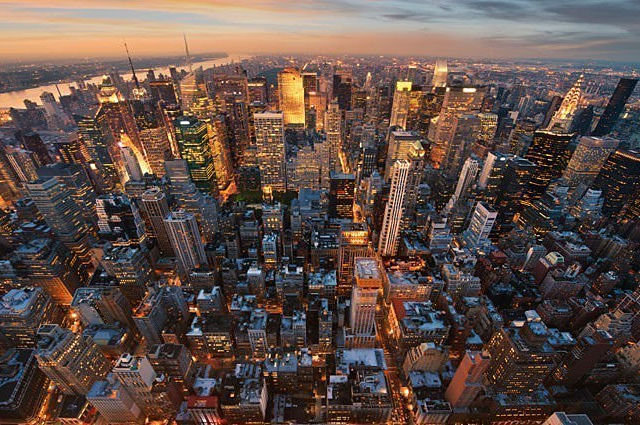 Since 2013, the U.N. has celebrated October 31 as World Cities Day in support of global urbanization and sustainable urban development. This year’s theme of “Innovative Governance, Open Cities” highlights the important role of urbanization as a source of global development and social inclusion. Urbanization in developing countries contributes to poverty reduction, access to sanitation facilities and education equality if managed correctly.
Urbanization is the result of an increase in population in urban areas. Urban areas differ from rural areas due to numerical and occupational differences in population. For the most part, urban areas have more inhabitants with more industrial professions than the less populated, more agriculture-centric rural areas. Each country sets certain criteria to distinguish urban areas; “some countries define any place with a population of 2,500 or more as urban; others set a minimum of 20,000.”
These six numbers represent urban development in the world:
- 54.5 percent
In 2016, more than half of the world’s population resided in urban areas. From 30 percent in 1950, the urban population of the world has grown rapidly. An estimated 54.5 percent of the globe now resides in urban agglomerates. By 2030, 60 percent of the world is expected to reside in urban areas. - 33.2 million
The biggest city in the world today, Tokyo, has a population of 33.2 million. Tokyo’s high population, over 10 million, qualifies the city as a megacity. In 1970, Tokyo and New York were the only megacities in the world. Today, Tokyo is one of 23 megacities, including 13 in Asia, four in Latin America and two each in Africa, Europe and North America. - $600 million
UN-Habitat has set aside $600 million to focus exclusively on urbanization issues, including “growth of slums, inadequate and out of date infrastructure and escalating poverty and unemployment.” While urbanization brings many positive changes, the related potential for dislocation and destabilization is the focus of the UN-Habitat for a better urban future. - 99 percent
According to the Center for Strategic and International Studies 2015 report, “nearly 99 percent of urbanization between now and 2050 will take place in the developing world.” The report maps out urbanization as an economic opportunity for donors of developing nations, as long as urban challenges are addressed. - 80 percent
In 2013, the World Bank reported that over 80 percent of global goods and services are produced in cities. Just the year before, “large cities made up 33 percent of the world’s global population, but produced more than 55 percent of all global economic output.” The amount of goods and services produced in cities exceeds those produced elsewhere in the world. - 82 percent
The most urbanized region in the world is Northern America, with 82 percent urbanization, according to the U.N. Latin America and the Caribbean follow with 80 percent urbanization and Europe with 73 percent urbanization. Africa and Asia are urbanizing faster than any other region. While they are mostly rural now, Africa and Asia are projected to become 56 and 64 percent urban respectively by 2050.
Urbanization is spreading across the world at a growing pace. If managed properly, urbanization in developing countries can help lift many people out of poverty by providing better access to jobs, education and services. Supporting this goal is a worldwide effort.
– Eliza Gresh
Photo: Flickr
