Updates on SDG 1 in Yemen
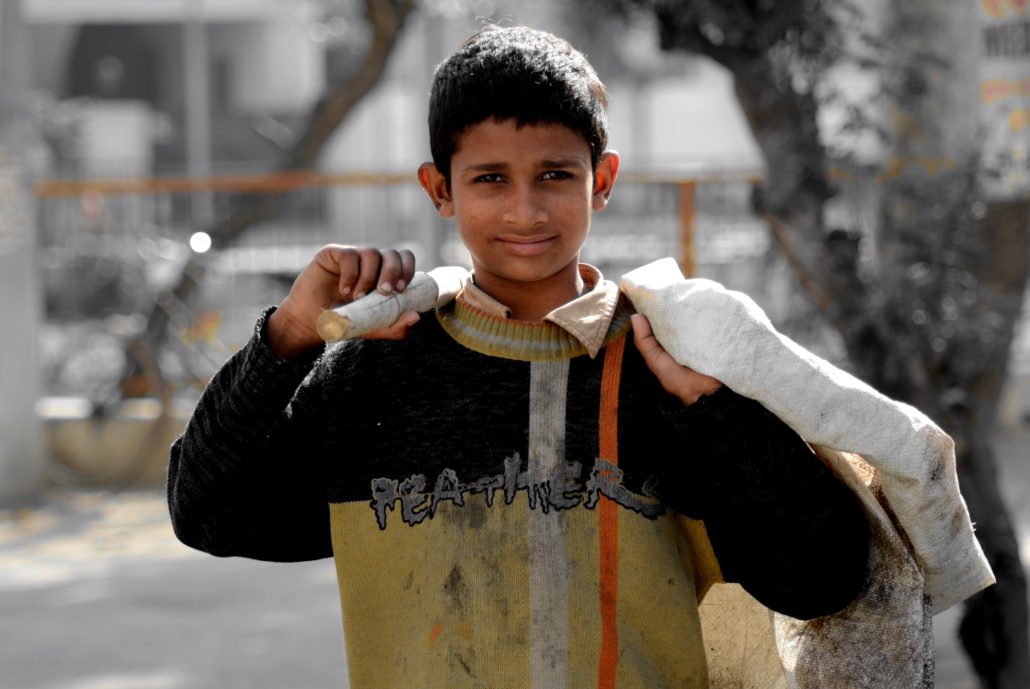 Sustainable Development Goal (SDG) 1 aims to end poverty in all its forms by 2030. Recent updates on SDG 1 in Yemen reveal both significant challenges and encouraging progress. More than a decade of conflict has damaged the country’s economy, increased food insecurity and left millions of Yemenis in need of humanitarian assistance. Despite these obstacles, international organizations and local partners continue to implement programs that strengthen livelihoods, improve resilience and help communities move toward long-term poverty reduction.
According to the United Nations Development Programme (UNDP), approximately 80% of Yemen’s population lives below the poverty line. Before the conflict escalated in 2015, poverty affected roughly half of the population. Years of violence, economic instability and disruptions to public services have pushed millions more Yemenis into poverty. Poverty in Yemen also intersects with hunger, displacement and unemployment. Families who lose income often struggle to afford food, while conflict and economic hardship have displaced millions and limited access to stable employment opportunities.
Poverty Challenges Continue Across Yemen
Yemen remains one of the world’s most fragile states. The World Bank reported that economic pressures intensified throughout 2025 as inflation rose and household purchasing power declined. Food prices increased significantly in many areas, making it difficult for families to afford basic necessities. Humanitarian organizations also faced funding shortages, limiting the amount of aid available to vulnerable communities.
The United Nations estimated that more than 17 million Yemenis faced hunger in 2025, while more than 1 million children suffered from acute malnutrition. These conditions continue to hinder progress toward SDG 1 and threaten the well-being of millions of people.
The ERRY Program Builds Rural Resilience
One of the most successful poverty-reduction initiatives in Yemen is the Enhanced Rural Resilience in Yemen (ERRY) Joint Programme. The European Union and the Government of Sweden funded the program, while UNDP, FAO, WFP and ILO implemented it through partnerships with local organizations.
From 2016 to 2025, ERRY operated in 37 districts across eight governorates. The program combined livelihood support, food security projects, local governance initiatives and employment opportunities. According to UNDP, ERRY reached more than 2.1 million people through direct and indirect interventions.
The program focused on helping communities generate income rather than relying solely on emergency assistance. It supported farmers, created jobs, strengthened local institutions and increased resilience to climate-related shocks. By investing in long-term recovery, ERRY advanced several targets under SDG 1 while helping communities rebuild their economic foundations.
The impact of the program extends beyond statistics. In a UNDP case study, Abeer, a young photographer in Taiz Governorate transformed her passion into a profession after receiving training and a start-up grant through the ERRY program. She now earns an income by photographing local events and stories. Her experience illustrates how livelihood programs can help Yemenis build sustainable sources of income and reduce dependence on humanitarian assistance.
Urban Development Projects Create Economic Opportunities
Infrastructure investments have also contributed to poverty reduction efforts. Through the Yemen Integrated Urban Services Emergency Project, UNOPS and the World Bank restored critical services while creating employment opportunities for local residents.
By the end of 2025, the project had improved services for more than 4.5 million people. Workers rehabilitated nearly 240 kilometers of roads and more than 301,000 meters of water and sanitation networks. The initiative also generated more than 1.4 million labor days of employment, providing income for thousands of households.
These investments address immediate community needs while strengthening local economies. Improved transportation, reliable services and temporary employment help families increase income and access essential resources.
Looking Ahead for SDG 1
Although Yemen continues to face severe economic and humanitarian challenges, recent updates on SDG 1 in Yemen highlight the impact of targeted development programs. Initiatives such as the ERRY Joint Programme and the Yemen Integrated Urban Services Emergency Project demonstrate how international partnerships can support poverty reduction even in fragile environments.
These programs have already reached millions of Yemenis through job creation, livelihood support and improved public services. While substantial work remains before Yemen can fully achieve SDG 1, ongoing investments in resilience and economic recovery offer a path toward a more stable future. Continued support from development organizations, donors and local communities can help ensure that more Yemeni families escape poverty and build sustainable livelihoods in the years ahead.
– Angela Qi
Angela is based in Beijing, China and focuses on Business and Technology for The Borgen Project.
Photo: Pxhere
