The UN’s Mission of Eradicating Extreme Global Poverty
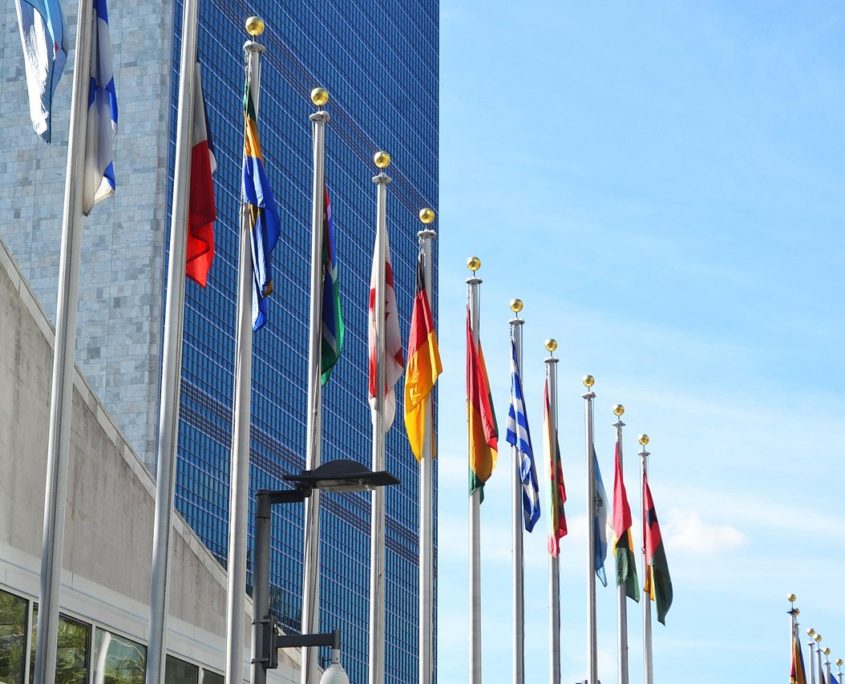 Media coverage often frames global instability as inevitable, spreading the idea that the conditions of global poverty are beyond the reach of policy and action. However, organizations like the United Nations (U.N.) and the World Bank offer a more hopeful approach to this matter. The U.N. has created a mission to end poverty called Sustainable Development Goal 1, with the aim of eradicating extreme poverty by 2030. Since its creation in 2015, it has shifted from a charity-driven initiative to a systematic blueprint essential for the global economy.
The Basis
For many years, a country’s success has often been defined by its Gross Domestic Product (GDP). Yet, as noted in the Beyond GDP report, U.N. Secretary-General António Guterres points out that when people look at a country’s growth, they ignore the people that the growth is actually meant to help. The U.N. has recently launched the Global Dashboard, which measures progress from an environmental and human rights approach. In other words, a country’s growth does not simply rely on its factories but on citizens’ access to gender equity, technology and clean water.
Social Protection Achievement
This year, a landmark achievement was confirmed by the International Labour Organization (ILO). According to Global Issues, more than half of the world’s population now receives at least one form of social protection benefit for the first time on record. These social protection benefits range from child allowances for struggling families to pensions for people living in rural villages. The U.N. strives to extend this social protection and emphasize that financial security is not a luxury but an essential human right. The U.N.’s Pact for the Future report outlines goals including promoting universal health coverage, increasing access to quality and inclusive education and improving opportunities for decent work and universal access to social protection.
This milestone is particularly significant in sub-Saharan Africa, where social protection implementation has historically been slower and less effective than in other regions. Nations such as Ghana, Ethiopia and Kenya have expanded their cash transfer programs over the years, reaching millions of families.
A New Approach To Extreme Global Poverty
The World Bank recently updated its Multidimensional Poverty Measure (MPM) with the aim of defining extreme poverty not through income but through access. According to a U.N. report, the international poverty line was raised from $2.15 in 2017 purchasing power parity to $3.00 in 2021 purchasing power parity, meaning anyone living on less than $3.00 a day is considered extremely poor. The new standard urges countries to expand access to education, sanitation and electricity, placing a strong emphasis on the standard of living.
The new framework increases pressure on governments in sub-Saharan Africa to expand basic services such as electricity, sanitation and education, rather than focusing solely on income levels.
Looking Ahead
The World Bank shows that the extreme global poverty rate is around 10%, a significant decrease from the past, though hundreds of millions of people continue to struggle. The frameworks set by the World Bank and the U.N. represent new approaches for addressing these disparities and offer a roadmap for sustained progress in the years ahead.
– Hasini Muddapu
Hasini is based in Princeton, NJ, USA and focuses on Global Health for The Borgen Project.
Photo: Pixabay
