A Spotlight on Migration to Yemen Amongst Civil War
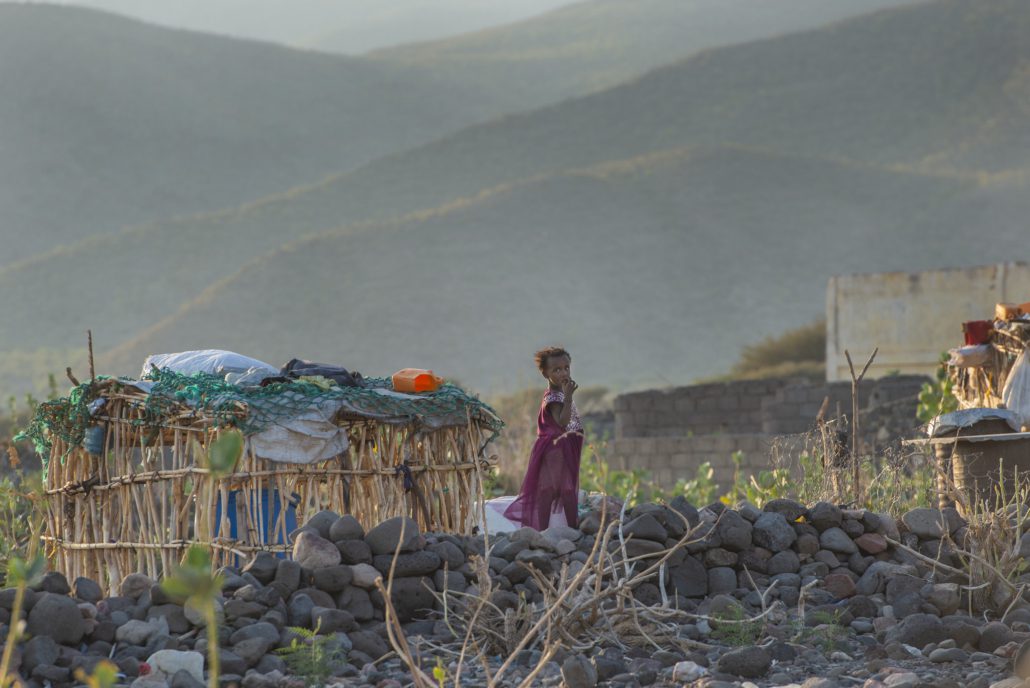 The ongoing Yemeni Civil War, which first broke out in September 2014, placed the country in a severe humanitarian crisis. This conflict has led to approximately 4.5 million internally displaced persons in Yemen, and yet the country itself remains a widely used migration corridor. Thousands of migrants travel from Sub-Saharan Africa along the East towards the Gulf states in seek of economic opportunities and increased security. However, the Eastern route is one of the most dangerous for migrants, with migration to Yemen resulting in more than 63,000 refugees from Somalia and Ethiopia in Yemen in 2023.
The Dangers That Migrants Face
The Houthi movement’s seizure of Yemen’s capital Sana’a in 2014 resulted in ongoing political instability. A Saudi-led coalition became militarily involved with the aim of restoring control, following the weakening of the current government, leading to a civil war.
The political climate remains unclear in 2026, with control in Yemen still being divided amongst different groups. This means that migration to Yemen involves arriving in a nation that lacks a singular body of power providing rules and policies. Not only are migrants subject to natural threats, including a lack of shelter, food and water, along with environmental disasters, but they are also now often exposed to exploitation. Without a stable government smugglers can drive the narrative of helping migrants to safety while instead driving them into serious danger. For instance, these individuals become at risk of being victims of trafficking or exploitation, with hundreds of migrant deaths and disappearances being recorded along this route. Yet programs aimed at relieving migrants of these humanitarian conditions remain underfunded.
The Impact on Vulnerable Groups
The reality is that many migrants arriving from outside Yemen come from vulnerable groups, including unaccompanied minors and children who are younger than five years old. In addition to this, migration to Yemen by Yemeni migrant returnees include individuals from these vulnerable groups, as well as elderly individuals and pregnant women. These migrant children are included in the 2.2 million undernourished children in 2026.
Despite this crisis remaining one of the most threatening in the world, Yemen’s 2025 response plan was only funded by 25%, making it impossible to provide the necessary humanitarian aid. This also means that key food, shelter and health services are increasingly difficult to maintain, furthering the threats posed to vulnerable groups.
The Plan Going Forward
International support is thus crucial. Organizations such as UNICEF are providing children with basic nutritional and healthcare support, with donations being invaluable to the aid provided. In 2025, UNICEF progressed its WASH programme, helping individuals gain access to clean water through more than 50 water supply projects, as well as funding health care facilities which helped 4.6 million women and children tackle malnourishment and illness. UNICEF also supported more than 100,000 children by improving educational facilities and implementing vaccinations, given to more than 15 million children in the wake of disease amongst migration to Yemen.
Further to this, the International Organization for Migration (IOM) sets out to help displaced migrants across Yemen, facilitating safety and urgent care through their Voluntary Humanitarian Return (VHR) programme. The VHR programme sets out to minimize the unsafe conditions caused by migration to Yemen, assisting more than 6,500 migrants with their departures and onward journeys. However, despite these efforts a lack of funding acts as a barrier to relieving migrants of hardships.
Looking Ahead
Sustained international support is also necessary for the UN’s mission to support this ongoing humanitarian crisis. Without more funding or international assistance, migrants will continue to suffer at the hands of this humanitarian emergency.
– Beatrice Toye
Beatrice is based in the United Kingdom and focuses on Global Health and Politics for The Borgen Project.
Photo: Flickr
