• Link to X
  • Link to Facebook
  • Link to Instagram
  • Link to TikTok
  • Link to Youtube
  • About
    • About Us
      • President
      • Board of Directors
      • Board of Advisors
      • Financials
      • Our Methodology
      • Success Tracker
      • Contact
  • Act Now
    • 30 Ways to Help
      • Email Congress
      • Call Congress
      • Volunteer
      • Courses & Certificates
      • Be a Donor
    • Internships
      • In-Office Internships
      • Remote Internships
    • Legislation
      • Politics 101
  • The Blog
  • The Podcast
  • Magazine
  • Donate
  • Click to open the search input field Click to open the search input field Search
  • Menu Menu
Blog - Latest News
Developing Countries, Global Poverty, Human Trafficking

Top 10 Human Trafficking Statistics and Their Implications
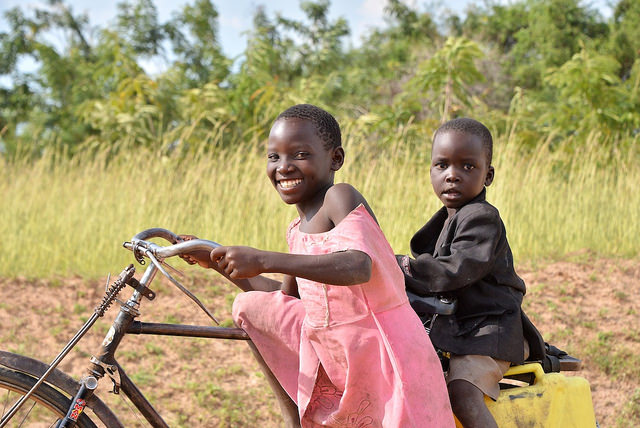

Defined as a modern-day version of slavery, human trafficking is a global human rights crisis. Throughout the world, traffickers manipulate victims through tactics such as violence and threats into exploitative forced sex and/or labor. Since many never experience liberation, comprehensive data does not exist on the matter. This being said, below are the top 10 human trafficking statistics:

  1. Approximately 20.9 million individuals have fallen victim to human trafficking. Of those, 11.7 million are from the Asian-Pacific region; 3.7 million are from Africa; 1.8 million are from Latin America; 1.6 million are from Central and Southeast Europe; 1.5 million are from regions with developed economies, such as the United States, Canada and Australia and 600,000 are from the Middle East.
  2. The populations most vulnerable to human trafficking are runaway and homeless youth, foreign nationals and individuals who have experienced violence and trauma, such as domestic violence, sexual assault, war and conflict or social discrimination.
  3. Women are more vulnerable than men. According to the International Labor Organization, approximately 55 percent of human trafficking victims are women and girls.
  4. Forced labor benefits the private economy, generating annual profits of $150 billion.
  5. As of September 2016, the United States Department of Labor identified 139 goods from 75 countries supposedly produced by child or forced labor.
  6. The most common form of forced labor is sexual exploitation. An estimated 1.3-1.4 million women and children are enslaved in commercial sex trafficking.
  7. The National Human Trafficking Hotline provides victims and survivors with 24/7 access to safety and support services. Since 2007, 31,659 cases have been reported through the hotline.
  8. Prosecutors have had notable success in human trafficking cases. In 2009, 4,166 trials resulted in guilty verdicts. This marked a 40 percent increase from 2008.
  9. In the United States, the Trafficking Victims Protection Act of 2000 is aimed at combatting trafficking both domestically and globally. Since its passing, more than eight other bills have passed that monitor and work to eliminate human trafficking.
  10. Anti-Human Trafficking Task Forces have trained more than 85,000 law enforcement officers and others to identify the signs of human trafficking and its victims.

As evidenced by these top 10 human trafficking statistics, it remains incumbent upon lawmakers and citizens alike to challenge the escalation of human trafficking globally. Recent successes of both legislation and outreach programs indicate that intervention tactics can help.

– Emily Chazen

Photo: Flickr

June 24, 2017
Share this entry
  • Share on Facebook
  • Share on X
  • Share on WhatsApp
  • Share on Pinterest
  • Share on LinkedIn
  • Share on Tumblr
  • Share on Vk
  • Share on Reddit
  • Share by Mail
https://borgenproject.org/wp-content/uploads/borgen-project-logo.svg 0 0 Borgen Project https://borgenproject.org/wp-content/uploads/borgen-project-logo.svg Borgen Project2017-06-24 01:30:512024-12-13 17:58:09Top 10 Human Trafficking Statistics and Their Implications

Get Smarter

  • Global Poverty 101
  • Global Poverty… The Good News
  • Global Poverty & U.S. Jobs
  • Global Poverty and National Security
  • Innovative Solutions to Poverty
  • Global Poverty & Aid FAQ’s
Search Search

Take Action

  • Call Congress
  • Email Congress
  • Donate
  • 30 Ways to Help
  • Volunteer Ops
  • Internships
  • Courses & Certificates
  • The Podcast
Borgen Project

“The Borgen Project is an incredible nonprofit organization that is addressing poverty and hunger and working towards ending them.”

-The Huffington Post

Inside The Borgen Project

  • Contact
  • About
  • Financials
  • President
  • Board of Directors
  • Board of Advisors

International Links

  • UK Email Parliament
  • UK Donate
  • Canada Email Parliament

Get Smarter

  • Global Poverty 101
  • Global Poverty… The Good News
  • Global Poverty & U.S. Jobs
  • Global Poverty and National Security
  • Innovative Solutions to Poverty
  • Global Poverty & Aid FAQ’s

Ways to Help

  • Call Congress
  • Email Congress
  • Donate
  • 30 Ways to Help
  • Volunteer Ops
  • Internships
  • Courses & Certificates
  • The Podcast
Link to: Major Diseases in Luxembourg in Line with Global Trends Link to: Major Diseases in Luxembourg in Line with Global Trends Major Diseases in Luxembourg in Line with Global Trends Link to: How India is Serving the Growing Delhi Slum Population Link to: How India is Serving the Growing Delhi Slum Population How India is Serving the Growing Delhi Slum Population
Scroll to top Scroll to top Scroll to top