The Fatal 4: Top Diseases in Madagascar
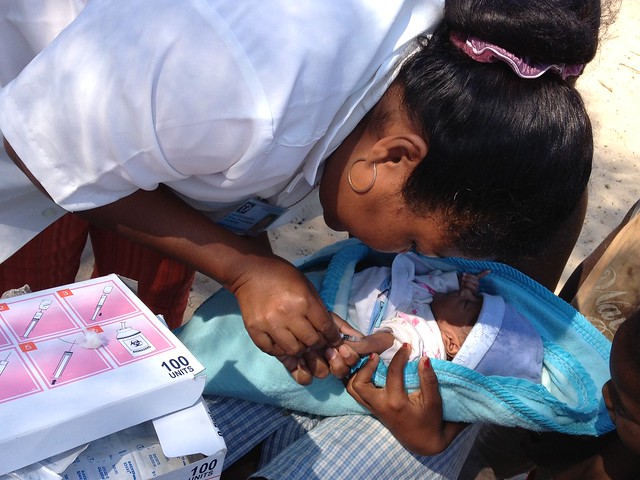 Madagascar is the fourth-largest island in the world and has a population of nearly 24 million people. Madagascar also has a majority rural population of 16 million. Due to remoteness, many people become isolated during flooding seasons and can lose all contact with health facilities, thus the top diseases in Madagascar are more deadly than they may ordinarily be.
Here is an in-depth look at four of the most deadly diseases in Madagascar.
Bacterial Diarrhea
Diarrhea often hits tourists while visiting new places around the globe. Yet, most travelers do not fear for their lives when they are afflicted. Unfortunately, diarrhea is a much more serious issue for those who live without clean water or proper sanitation. In fact, according to the World Health Organization (WHO), diarrhea is the second leading killer of children under the age of five globally.
For those in Madagascar, lack of clean water and proper sanitation is a major cause of diarrhea, but there are cultural factors at work as well. Often, the Malagasy have been taught to believe that using an outhouse can cause miscarriages and that fecal matter does not belong in the ground where ancestors are buried. These beliefs only further instances of diarrhea-related death.
In order to dispel these myths, locals are being educated about the advantages of proper hygiene. This can even be done in the form of puppet shows for illiterate communities in Madagascar.
Lower Respiratory Infections
There are multiple causes of lower respiratory infections, but the WHO estimates that indoor and outdoor pollution is responsible for 18,700 deaths in Madagascar annually.
Indoor pollution is especially dangerous in Madagascar because many households still rely on solid fuel such as coal and wood for cooking and heating. In addition to the use of solid fuel, many houses in Madagascar are small and have poor ventilation which leads to higher exposure to pollutants.
The solution to this problem is to move away from solid fuels and increase education about the dangers of poor ventilation and inhaling pollutants.
Perinatal Conditions
Perinatal conditions are a killer in developing countries worldwide. These conditions occur just before or after birth and can affect both mothers and children. Low birth weight, prematurity, neonatal diseases, birth trauma and birth asphyxia are all perinatal causes of death and contribute to one of the top diseases in Madagascar.
Death from perinatal conditions tends to be easily avoidable, but many in developing countries lack the knowledge and resources necessary for prevention. In fact, according to UNICEF, 90% of the population of Madagascar lives on less than two dollars a day. This type of poverty often leads to malnutrition and most of the conditions mentioned above.
Potential solutions may include increased education of perinatal care, food aid and increasing the amount of neonatal care and supplies available.
Non-communicable Disease
In other words: cancer. Cancer is the most prevalent of the top diseases in Madagascar, and the most deadly. Of the types of cancer affecting Malagasies, cervical cancer is predominant.
Unfortunately, options for cancer treatment in Madagascar are limited. Very few hospitals have cancer wards and many farmers and unemployed citizens cannot afford the costly treatment for cancer.
One measure to fight cervical cancer in Madagascar has been taken. In 2008, the University of Washington School of Medicine put forth an education and screening program. This program was an effort to increase early detection so that there was a greater possibility of getting help.
As is the case with the top diseases in Madagascar, developing countries tend to be more susceptible because they may lack resources to fight them. Often, providing simple education or inexpensive medications can make a huge difference for those who have very little.
– Weston Northrop
Photo: Flickr
