When something so essential to a country’s well-being is on an economic swing, it may be hard for it to maintain— especially if there is no warning of the ways that will lead to an abundance of woes. In a land where agriculture is dire to the prosperity of its people, many cannot afford the setbacks stemming from a poor water infrastructure. However, in Niger, where the water is either too little or too much to sustain anyone, it is the livestock that heavily influences the level of poverty in Niger and determines who the poverty affects.
Background
Harmattan’s dry, dust-filled winds are frequent in Africa’s west side, dissolving clouds, lowering humidity and replacing the once fertile landscapes with inarable terrain. Increased temperatures in these settings will lead to the pervasiveness of droughts and strain in the agricultural sector— one that employs almost 90% of the population and could be a way out of poverty in Niger.
Last year, Niger experienced a 78% rainfall deficit in which its economy struggled to stay afloat. The agriculture sector makes up 40% of Niger’s GDP, missing the percentage of those living in extreme poverty by just 1.8%.
As the probability of a good year’s harvest dwindles due to prolonged drought, irregular rainfall and the increase in unsuitable land to carry out agricultural activity, many find themselves working in the field of livestock production where the benefits seem to outweigh the risks.
Livestock has a heavy association with wealth; 69% of livestock herders did so to make money. In rural areas, this figure increased by 10% with 79% of the population reporting that they were involved in livestock work to generate wealth, according to the 2020 Helda report.
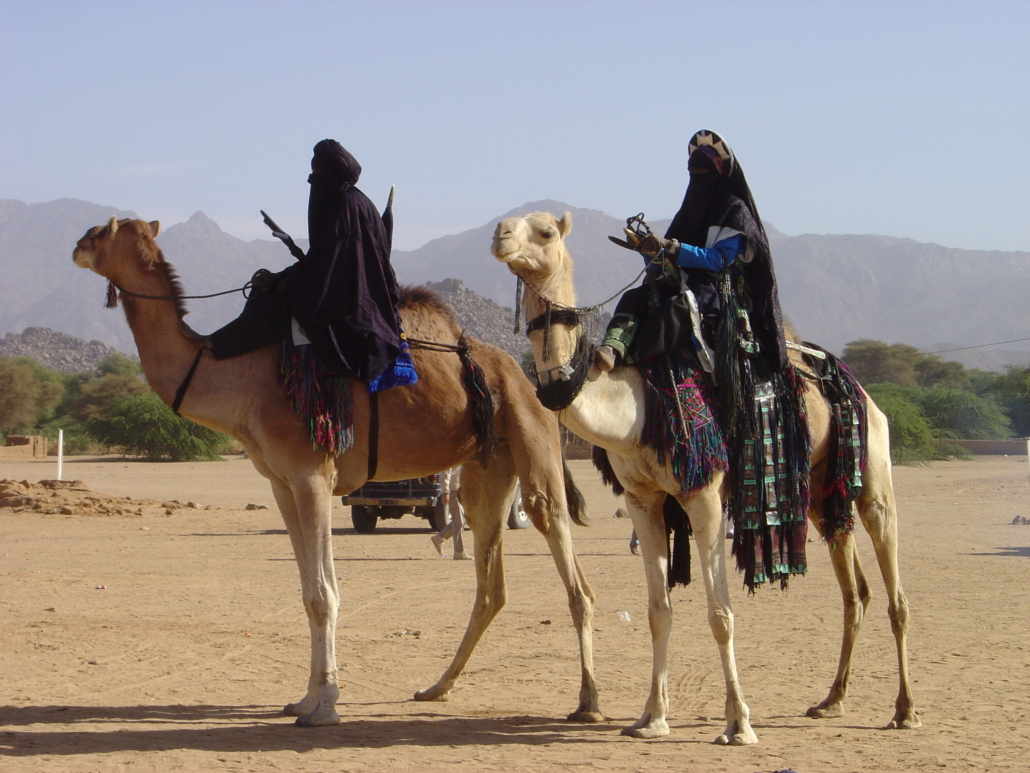
Camels as a Status Animal
Though livestock production is not an avenue all Nigeriens explore, it is responsible for 90% of the country’s exports. However, all livestock production is not for monetary gain. According to World Atlas, some Nigeriens opt for subsistence farming where they carry out tasks to sustain themselves and their family.
During the dry season, farmers who engage in transhumance pastoralism begin to move their livestock through Niger’s mainlands in order for their livestock to feed, according to the 2020 Helda report. On these expeditions, herders sell, trade with or buy from locals. One camel can cost and sell for more than $1,600.
Breeding camels contribute to economic expansion as various breeds are in high demand. The value of the camel and other livestock goes without saying. In rural parts of Niger, people use livestock as an alternative payment method, according to the 2020 Helda report. Having a multitude of animals is also seen as a status symbol.
Milk Production
Camels also produce milk. However, milk coming from camels only consisted of 10.1% of the annual milk-related products to have come from the country, according to the 2020 Helda report. However, one entrepreneur, Wouro Habsatou Aboubacar set out to change that when she started her own camel milking and herding business as a teen. Aboubacar owns more than 100 camels and provides local groceries with milk and its townspeople with a source of employment. Niger is one of the top milk producers in West Africa, making more than 1,700 liters of milk a year, according to the 2020 Helda report.
Poverty Reduction
Rural poverty in Niger was at a time, averaging 65.5% in 1999. Urban poverty stood at 35.3%. Since the use of livestock as a means of survival and poverty reduction has been implemented, poverty dropped from 2005-2011, when Niger was among one of the countries that surpassed other coastal countries in livestock production. During 2011-2012, Niger made more than $482 million a year off meat alone, according to the 2020 Helda report.
Nigerien farmers usually make $500 a year. This number could increase by 12% if small-scale irrigation becomes widespread. At present, Niger’s economy is recovering from blows taken during the pandemic where their economy dropped by 1.5%, according to the World Bank. The agricultural boom could not only help the nation’s overall economy but the people living there as well.
– Dorothy Quanteh
Photo: Flickr
 Niger is one of the poorest countries in the world, ranked last on UNDP’s 2015 Human Development Index — nearly 20 percent of Nigerien population cannot meet their