The Success of Humanitarian Aid to Cote d’Ivoire
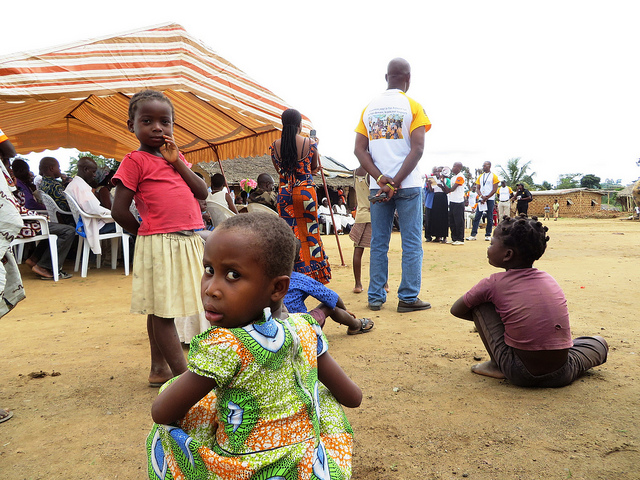 Cote d’Ivoire is known to be one of the more prosperous West African countries; its cocoa production and strong ties to France allow for widespread export and trade. However, as with many African nations, Cote d’Ivoire is also known for its recent political upheaval.
In the early 2000s, a military coup took place which resulted in Laurent Gbagbo obtaining office, instigating a civil war between government supporters and dissidents in the region. With this civil war beginning, Cote d’Ivoire’s import/export business faltered, and with the economic and political unrest in the region, the success of humanitarian aid to Cote d’Ivoire has yet to fully be understood.
In terms of positive outcomes, the most obvious success of humanitarian aid to Cote d’Ivoire is the recent completion of the United Nations’ peacekeeping mission in the region. On June 30, 2017, the U.N. successfully removed peacekeeping forces from Cote d’Ivoire. According to a brief which took place on February 8, 2017, the U.N. considered the peacekeeping efforts an overwhelming success.
Included in the list of positive impacts the U.N. made in the region are revised legislative elections, a re-drafted constitution that improves the quality of life for women and children and a dramatic decrease in the amount of human rights violations taking place in the area. The U.N.’s peacekeeping efforts have truly worked to stabilize the country.
Another source of success in humanitarian aid to Cote d’Ivoire is the growth of nonprofit work in the region. In 2014 and 2015 Ebola broke out in West Africa. With the effects of political unrest still plaguing the country, aid and access to medical care and Ebola preventatives were hindered. The European Commission has addressed this issue by allocating more than €119 million to Cote d’Ivoire to aid in the recovery process after the disease swept the nation.
Similarly, the rate of maternal mortality in Cote d’Ivoire is a cause for concern. According to the EC, there are several humanitarian projects working within the country, such as a hospital in the Tonkpi region offering more overarching services for new mothers and their children, including infant vaccinations, postpartum follow-ups and continued infant medical care, in an attempt to lower mortality rates.
The Partnership for Transition program through the EC has helped collect medical supplies to distribute to hospitals and clinics in Cote d’Ivoire. From 2012 to 2014, more than 26 cargo planes full of medical supplies flew to Cote d’Ivoire. In each plane were cesarean section kits, anesthesia kits and basic pharmaceutical supplies. These were distributed between 17 different regional clinics and have helped maintain the goal of free and accessible healthcare that the government desired.
The successes of humanitarian aid to Cote d’Ivoire that have been mentioned here do not even scratch the surface. Nonprofit organizations are helping to build food security, agricultural sustainability and civil services, and others within the nation are working to maintain a healthy and functioning government. While this aid will most likely remain necessary for the foreseeable future, Cote d’Ivoire has grown much more stable with the help of international humanitarian aid in both the social and the political arenas.
– Molly Atchison
Photo: Flickr
