The Gender Wage Gap in the DRC
 In Sub-Saharan Africa, the Democratic Republic of the Congo (DRC) is a nation that is rich in mineral resources, including cobalt, gold, coltan, copper and diamonds. The deposits provide citizens of the DRC with employment opportunities, as these materials are essential for products manufactured for international markets, most notably, cobalt. Cobalt is an essential mineral used in lithium batteries for many electronics, such as smartphones, electric vehicle (EV) batteries and laptops. Considering that the country is this rich in resources, it is difficult to understand why it suffers from an economic disparity that influences the gender wage gap in the DRC.
Unfortunately, due to the rapidly increasing demand for these resources, many developed nations and privatized corporations will continue to purchase products from artisanal mines that operate without proper labor laws, thereby compromising the safety and health of artisanal miners in the DRC.
In addition to inadequate wage employment, the DRC has faced continuous entrepreneurial issues due to the lack of aid following political disruptions (i.e., the Congolese Civil War) that could go towards education and other resources that may help citizens thrive, and the nation’s economy make an upturn, equaling the drastic gender wage gap in the DRC.
Women in the Workplace
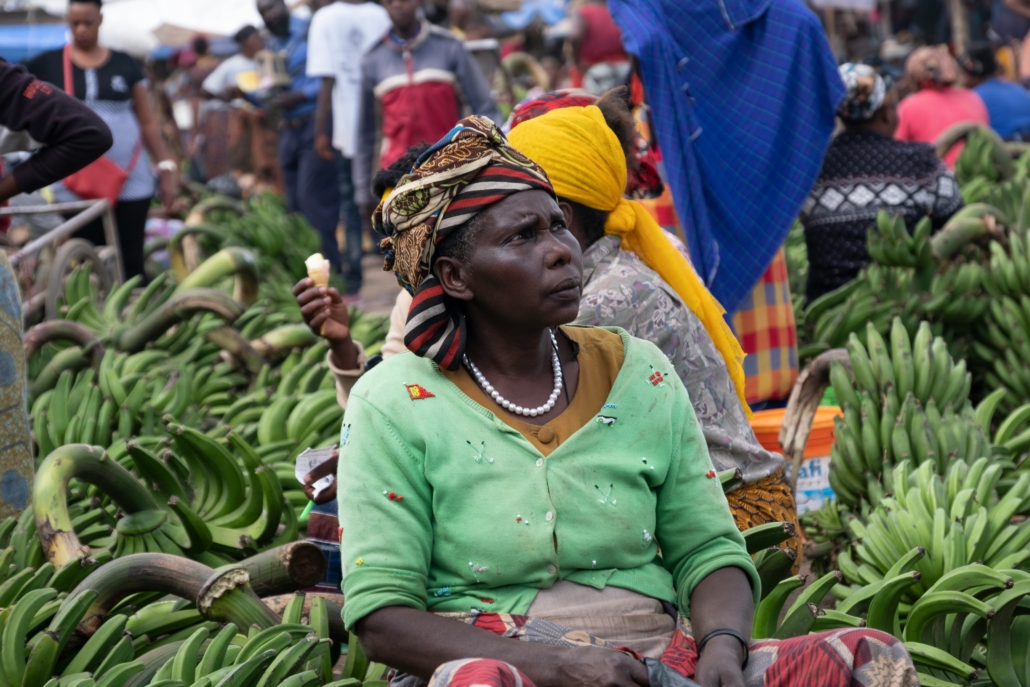
Whether it is direct or indirect, women are one of the primary victims of economic instabilities in the DRC. Per data that the World Bank received, out of the 62% of women who participate in the labor market, 6.4% of women earn wages from an employer. That percentage is nearly quadrupled in the case of men. Overall, women in the DRC are found less likely to work than men by 8.2%, and those women who do work earn 77.3% less than men—as for women entrepreneurs, they earn 66.5% less in profits than their male counterparts.
After conducting a study on the discrepancy of women participating in the DRC’s economy, Darla Urmiche Diya Lipoko, a published student at Cape Peninsula University of Technology, breaks down consistent challenges women of the DRC encounter to gain financial stability. One of her primary points in the research focuses on access to education, stating that “Young women regularly drop out of school because of early marriage and pregnancy, hence leading to a gender gap in training,” due to socio-financial and sociocultural factors.
The Domino Effect of Exploitation
Although socio-financial and sociocultural issues are deeply rooted obstacles in the gender wage gap in the DRC, it is not necessarily as surface-level as one may believe. As previously stated, the economy of the DRC primarily relies on artisanal mining under exploitative conditions to provide their biggest exports. While male and female artisanal miners operate under the same circumstances and are nearly equally represented—40% of recorded artisanal miners were female per World Bank in 2017—they face the brunt of the abuse, whether they are employed or not. According to a EUREKA: Social and Humanities article, “Young women in the DRC are especially powerless as they frequently experience early marriages, undesired pregnancies, and sexual abuse.”
It is not only important to advocate for essential aid in the DRC, but it is vital that measures are taken to subsume labor and health regulations in small businesses that provide vital exports. If not, then it is probable that exploitative natures could continue to prevent women from accessing resources to lead successful lives, “Numerous young women in rural areas that are obliged to perform family chores every day instead of attending school can also explain that gender gap,” continuing the cycle of abuse among the citizens of the DRC.
Addressing the Issue and Possible Solutions
Currently, multiple global advocacy organizations are developing programs to aid the women of the DRC to achieve financial success, benefiting the economy of the country.
One of the most prominent programs that aims to reduce the gender wage gap in the DRC is the GLE Project, which has boosted primary school availability and education to all children, especially young girls and women. To welcome them into an environment where they can thrive, the Ministry of Primary, Secondary and Technical Education administered a “Girls’ Learning and Empowerment Project to improve safe and equitable access, particularly for girls, and teaching-learning conditions at secondary schools in selected provinces. This includes the creation of safe and inclusive school environments and strengthening of the curriculum, textbooks, and teaching-learning materials,” per the World Bank.
That being said, the GLE Project isn’t the only project assumed to fix this ongoing issue; the DRC Eastern Recovery Program (STEP) has indirectly benefited the success of many young women, slowly tightening the gender wage gap. The program has been active for the past 10 years, aiding many citizens living in poverty. The Project has committed $700 million to this cause program, which is currently exceeding many of the targeted goals, like “Women being indirect beneficiaries,” exceeding the original objective for the number of lives positively impacted.
Looking Ahead
While both programs show considerable promise, it is important to protect and support the laborers and small businesses that operate under exploitative conditions. Per the World Bank, “To close economic gender gaps, projects should consider providing childcare and implementing gender transformative interventions engaging men, which have been shown to increase men’s contribution to household responsibilities,” which may be harder to execute without providing everyone with healthy work environments.
– Sam Barbagallo
Sam is based in Tewksbury, MA, USA and focuses on Business and New Markets for The Borgen Project.
Photo: Unsplash
