Pregnant Women’s Journeys Made Easier
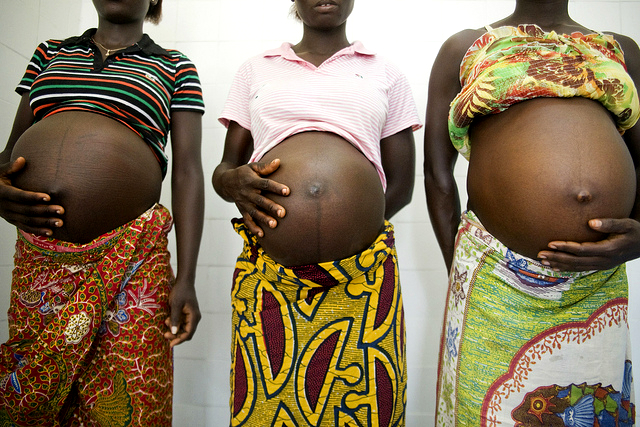 In some developing countries, giving birth does not mean simply rushing to the hospital in pursuit of a doctor. In fact, most women with low-risk pregnancies deliver their baby at home with a trained midwife or trained birth attendant. But for women experiencing high-risk pregnancies, rushing to the hospital could mean traveling 15 miles or more in stressful and unpredictable conditions, which is quite a distance for a woman in labor to travel.
The journey toward emergency care includes many obstacles such as rough, unpaved terrain and unreliable transportation. The harsh conditions of the road serve as a catalyst for the 2.8 million deaths of newborns every year. Similarly, on average, one woman per minute dies due to pregnancy and childbirth.
Fortunately, pregnant women’s journeys are being made easier through the use of maternity waiting homes. The World Health Organization (WHO) defines maternity waiting homes as residential facilities located near a qualified medical facility, where women defined as “high risk” can await their child’s birth and be transferred to a nearby facility shortly before delivery or earlier should complications arise.
These waiting homes serve as a crucial component in closing the geographical gap between rural areas with poor access to equipped facilities and urban areas with available obstetric care. Their main function is to link communities with the health system in a continuum of care.
However, recent studies show that an increasing number of women do not want to stay in maternal waiting homes because of poor, unsafe and unclean conditions. In response, Merck for Mothers, the Bill and Melinda Gates Foundation, Africare in partnership with Michigan and Boston University intervened and encouraged local communities to build and upgrade their waiting home facilities.

In an attempt to improve the waiting home conditions, many facilities have started selling produce and handmade goods to generate income, turning the facility into a community managed enterprise. Once the waiting homes acquire the proper funds, they can begin adequately supporting pregnant women.
Without the acceptance and participation of the entire community, waiting homes are unlikely to succeed. The satisfaction of women staying in the home is an essential part of the facility’s success or failure. The credibility of a waiting home determines whether or not it is worth the trip.
Health services generally benefit from favorable reports and the best way to spread these is by word of mouth, according to WHO. Also, the more a community talks about the provided services, the easier it becomes to identify the services that need to be improved and additional ones that need to be created. If implemented and promoted correctly, these maternity waiting homes have the potential to save lives.
– Megan Hadley
Sources: Impatient Optimists, WHO, Africare
Photo: Flickr
