US Funding to Alleviate Poverty in Sudan and Afghanistan
 On May 14, 2026, the United States (U.S.) contributed $1.8 billion in funding to the United Nations (U.N.) to assist in its humanitarian aid efforts worldwide. According to the U.S. State Department, these funds will be mainly allocated toward those struggling from famine and natural disasters. This funding increase, along with the $2 billion the U.S. contributed in December 2025, will support local projects that assist the most vulnerable in 21 countries. Importantly, the increased funding will also help address ongoing challenges of famine and health care in Sudan and Afghanistan, both of which require more support to alleviate rising poverty rates.
Current Situation in Sudan and Afghanistan
In recent weeks, the U.N. has publicly called for more countries to contribute funding for Sudan and Afghanistan. On May 15, 2026, the Integrated Food Security Phase Classification (IPC) issued a report stating that 19.5 million people in Sudan, or 41% of the population, are struggling with high levels of food insecurity, including an estimated 825,000 children under 5 suffering from severe acute malnutrition. According to the United Nations Development Programme (UNDP), approximately 28 million people in Afghanistan were living in poverty in 2025, a figure that has changed little in 2026. These individuals are struggling to afford food, housing and health care due to economic hardships. However, increased U.S. funding enables U.N. agencies to address these issues more effectively.
Ongoing Aid Projects in Sudan
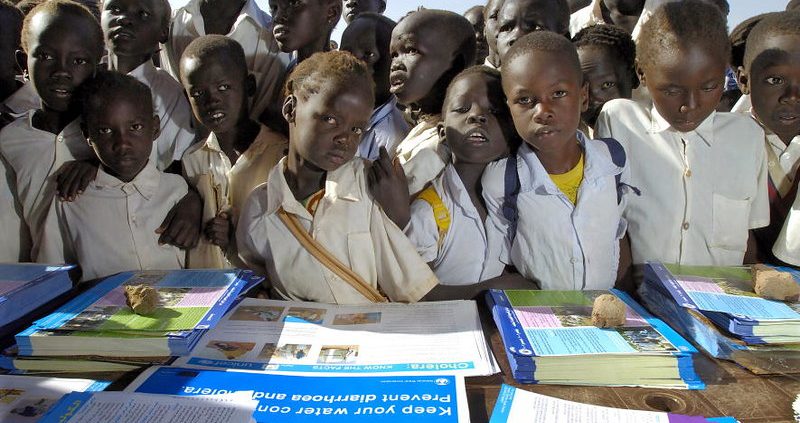
The increased funding from the U.S. will help strengthen ongoing aid projects in Sudan that tackle issues related to poverty. For example, as of May 2026, the United Nations Children’s Fund (UNICEF) runs the SANAD program, which has assisted over 182,000 household members in Sudan by providing them access to cash support and essential health care services. Additionally, the International Rescue Committee (IRC) in Sudan operates a Water, Sanitation and Hygiene (WASH) program that works to upgrade the water and sanitation infrastructure and distribute hygiene and cholera kits to prevent the spread of diseases and infections. Increased funding to the UN will enhance these programs that are already saving lives and will eventually contribute to ending the conflict in Sudan.
Basic Human Needs Programs in Afghanistan
The UN is currently running basic human needs programs (BHN) in Afghanistan that provide vulnerable communities access to essential services that can improve their quality of life. In 2025, BHN programs provided access to health care services to more than 34 million people struggling with urgent health conditions. Furthermore, the BHN programs have helped 4.6 million children deprived of schooling gain access to education. Since 2025, the World Food Programme (WFP) has been providing food rations and nutrition assistance to more than 12.4 million people in Afghanistan. Thus, the increased funding from the U.S. to the U.N. will empower its aid agencies to reach more vulnerable people in Afghanistan who urgently need food, health care and education.
Hope for the Most Vulnerable
The increased funding from the U.S. to the U.N. results from the passionate advocacy of the U.N. and its local partner organizations for vulnerable communities in Sudan and Afghanistan. In Sudan, the U.N. and the IRC have raised awareness of the millions who have accessed essential health care services, clean water, and food, as well as the millions still living in poverty. In Afghanistan, the U.N. and the WFP have highlighted the millions of children who have finally accessed education and nutrition assistance, while emphasizing that the work is far from over. This advocacy means millions of vulnerable women and children will now be able to study and eat healthy food, eventually leading to a higher quality of life for everyone.
– Abdullah Dowaihy
Abdullah is based in Riyadh, Saudi Arabia and focuses on Good News and Global Health for The Borgen Project.
Photo: Flickr
