Non-Communicable Diseases in Small Island Developing States
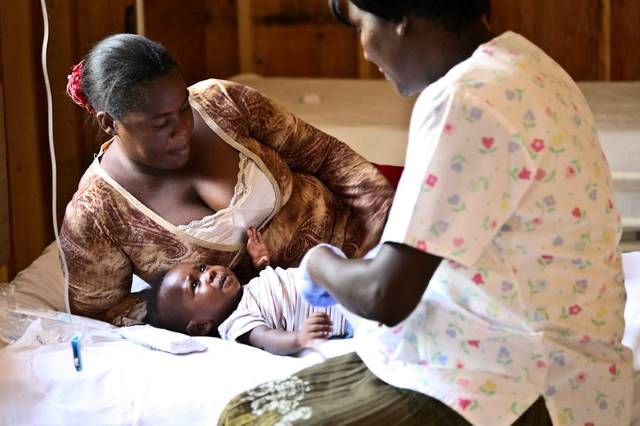 According to the IFRC, “Non-communicable diseases are diseases that are not spread through infection or through other people but are typically caused by unhealthy behaviors. [NCDs] are the leading cause of death worldwide and present a huge threat to health and development, particularly in low- and middle-income countries.” Non-communicable diseases in Small Island Developing States (SIDS) are responsible for the premature deaths of more than half of the population. But, most NCDs are preventable, “with poor health largely driven by five main modifiable risk factors: tobacco use, unhealthy diets, physical inactivity, alcohol use and air pollution,” the NCD Alliance says.
NCDs in SIDS
Due to their size, location and susceptibility to extreme weather events, Small Island Developing States, commonly referred to as SIDS, are a collection of 52 islands and coastal countries that face similar development difficulties. World Health Organization (WHO) data shows that SIDS has the highest number of non-communicable diseases and “mental health risks” in the world.
At the 1992 United Nations Conference on Environment and Development, the U.N. acknowledged SIDS as a “special case for both their environment and development.” These states grapple with several interrelated issues, for example, the COVID-19 pandemic and additional factors such as unemployment and poverty. A U.N. assessment in 2018 calculated the multi-dimensional poverty rate across 16 SIDS and came to an average rate of 47.5%. Conditions of poverty contribute to the rise of non-communicable diseases and mental health issues.
The five core types of non-communicable diseases (NCDs) are “cardiovascular diseases (like heart attacks and stroke), cancers, chronic respiratory diseases (such as chronic obstructed pulmonary disease and asthma), diabetes and mental health,” according to the Healthy Caribbean Coalition. NCDs already disproportionately affect developing countries, which account for close to 75% of NCD deaths, equating to 28 million people.
Action to Address NCDs
In January 2023, WHO, the Pan American Health Organization (PAHO) and the Government of Barbados hosted a “SIDS High-level Technical Meeting on NCDs and Mental Health” that lasted two days. The conference’s primary focus is to promote domestic action and global cooperation to address NCDs and mental health in SIDS.
About 80% of NCDs are preventable, according to the NCD Alliance. Founded in 2009 and based in Switzerland, the NCD Alliance’s goal is to “unite civil society and drive action on non-communicable disease (NCD) prevention and care, leaving no one behind,” bringing together 300 members across 81 nations. By 2025, the NCD Alliance aims to reduce premature deaths caused by NCDs by 25%. By 2030, it aims to reduce this rate by 33% and advance “mental health and well-being.” Through advocacy efforts, NCD education initiatives for health care professionals, accountability, monitoring and more, the NCD Alliance promotes health and saves lives.
The NCDA 2021-2026 Strategy bases its efforts on four goals: advocacy and accountability, capacity development, knowledge and partnerships. The phase sets out both short- and long-term strategic goals to “support civil society in driving progress on NCD prevention, care and financing,” the NCD Alliance website says.
NCD Alliance Prioritizes SIDS
The Alliance collaborates with regional organizations, such as the Caribbean Public Health Agency (CARPHA) and the Pacific Community (SPC), to support efforts to prevent and control non-communicable diseases in Small Island Developing States.
In addition, the NCD Alliance works with SIDS to address the social determinants of health that contribute to the burden of NCDs, such as poverty, food insecurity and lack of access to health care. The Alliance advocates for policies that promote healthy lifestyles, such as tobacco control measures, healthy food options and physical activity promotion.
Overall, the NCD Alliance plays an important role in advocating for the prevention and control of non-communicable diseases in Small Island Developing States and supporting efforts to address the social determinants of health that contribute to these diseases.
– Lauryn Defreitas
Photo: Flickr
