More Midwives Needed in Nepal
 Nepal’s maternal mortality rate (MMR), or the ratio of maternal deaths per 100,000 live births for reasons related to pregnancy or birth, has declined in Nepal over the last fifteen years. It is estimated that between 1996 and 2005, Nepal reduced its MMR from 539 deaths to 281. It was estimated in 2010 to be around 170.
These declines, similar to those seen in countries such as Bangladesh, Malaysia, and Thailand, are cause for hope. However, health care experts say the gains in Nepal are unsustainable if the country does not address its need for more health care professionals, especially midwives, to prevent women from dying in childbirth.
Declines in maternal mortality rate are attributable to a number of factors other than improved health care access or services. Nepal’s paradox is that even though the MMR is decreasing, access to skilled birth care is still very low. In general, improved health care positively correlates with reduced MMR, but sub-Saharan Africa and Asia have not demonstrated a strong correlation so far due to lack of skilled birth care.
Experts in maternal health do not have the data necessary to determine the exact causes of the decline, but there are multiple factors involved. The top reasons are the social empowerment of women, reduced fertility, and government health care programs. Nepalese women are now having fewer children on average, and have more access to contraception and family planning tools. Women’s life expectancies and literacy rates have increased as MMR has declined. Women are now also offered financial incentives to seek medical care during pregnancy and have more access to affordable, life-saving health care such as blood transfusions.
Nepal is on track to meet its Millennium Development Goal of reducing MMR by 75 percent, to 134 deaths per 100,000 live births. When it reaches that point, the country will require the help of more midwives and health care workers trained in birthing to further reduce maternal mortality. A 2012 UN study found that a midwife in attendance during birth can reduce up to 90 percent of maternal deaths.
– Kat Henrichs
Source: IRIN
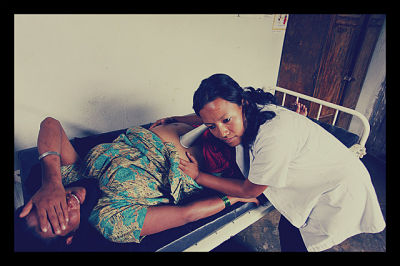
Photo: Midwife Ramilla
