• Link to X
  • Link to Facebook
  • Link to Instagram
  • Link to TikTok
  • Link to Youtube
  • About
    • About Us
      • President
      • Board of Directors
      • Board of Advisors
      • Financials
      • Our Methodology
      • Success Tracker
      • Contact
  • Act Now
    • 30 Ways to Help
      • Email Congress
      • Call Congress
      • Volunteer
      • Courses & Certificates
      • Be a Donor
    • Internships
      • In-Office Internships
      • Remote Internships
    • Legislation
      • Politics 101
  • The Blog
  • The Podcast
  • Magazine
  • Donate
  • Click to open the search input field Click to open the search input field Search
  • Menu Menu
Blog - Latest News
Global Poverty

The Future of Infrastructure in Honduras Looks Bright
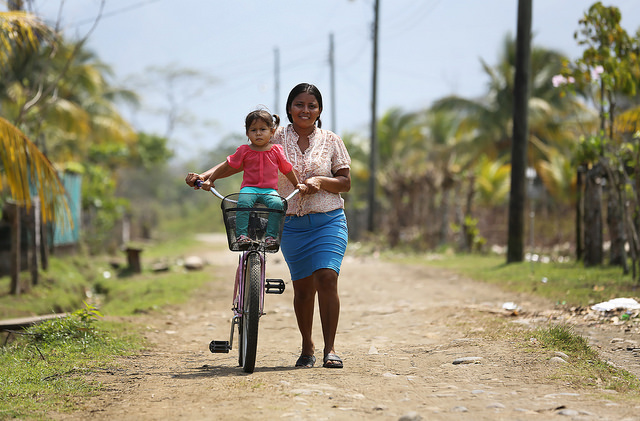
infrastructure in HondurasHonduras is the only country in its region to be self-sufficient in energy. Infrastructure in Honduras has shifted from oil import dependency to self-created hydroelectric power.

The El Cajón Dam and Rio Lindo/Yojoa system established Honduras’ hydroelectric potential with a total energy output of 577 megawatts (MW). One MW hour can power about 650 residential homes. El Cajón produces 292 MW, enough energy to power 189,000 residential homes.

The El Cajón hydroelectric dam, also referred to as a hydroelectric plant, is located on the Humuya River in central Honduras. The dam’s primary function is electric energy production, but it further controls flood waters and ensures regular irrigation throughout the year.

El Cajón embodies physical infrastructure in Honduras, but the country has also taken action to improve laws related to renewable energy and power supply. Honduras approved its new Law of Electrical Industry in 2014. This law replaces the previous Electricity Subsector Framework Law and outlines the legal framework for the electricity sector.

The Law of Electrical Industry establishes:

  • Conditions for contracting new energy capacity
  • Minimum quotas for renewable energy set by the government
  • Technology-specific auctions for renewable energy
  • Purchase Power Agreements (PPAs) for hydropower facilities that last up to 30 years

A PPA is an agreement between a renewable energy provider and a consumer in order to reduce the total energy bill. The provider arranges the design, permitting, financing and installation of a system on the consumer’s property at little cost. Although the consumer does not own the system, PPAs make renewable energy affordable.

The percentage of Hondurans with access to electricity has significantly increased over the past 24 years, jumping from 55 percent to 88 percent of its nine million residents. Although electricity has become more accessible, nearly 60 percent of the population remains below the poverty threshold.

Infrastructure in Honduras has taken a step forward in its self-sufficient energy production, but the demand for electricity has surpassed initial projections. PPAs may further the country’s progress by offering affordable energy to the 5.57 million Hondurans living in poverty.

– Carolyn Gibson

Photo: Flickr

December 14, 2017
Share this entry
  • Share on Facebook
  • Share on X
  • Share on WhatsApp
  • Share on Pinterest
  • Share on LinkedIn
  • Share on Tumblr
  • Share on Vk
  • Share on Reddit
  • Share by Mail
https://borgenproject.org/wp-content/uploads/borgen-project-logo.svg 0 0 Borgen Project https://borgenproject.org/wp-content/uploads/borgen-project-logo.svg Borgen Project2017-12-14 07:30:542024-06-04 05:25:34The Future of Infrastructure in Honduras Looks Bright

Get Smarter

  • Global Poverty 101
  • Global Poverty… The Good News
  • Global Poverty & U.S. Jobs
  • Global Poverty and National Security
  • Innovative Solutions to Poverty
  • Global Poverty & Aid FAQ’s
Search Search

Take Action

  • Call Congress
  • Email Congress
  • Donate
  • 30 Ways to Help
  • Volunteer Ops
  • Internships
  • Courses & Certificates
  • The Podcast
Borgen Project

“The Borgen Project is an incredible nonprofit organization that is addressing poverty and hunger and working towards ending them.”

-The Huffington Post

Inside The Borgen Project

  • Contact
  • About
  • Financials
  • President
  • Board of Directors
  • Board of Advisors

International Links

  • UK Email Parliament
  • UK Donate
  • Canada Email Parliament

Get Smarter

  • Global Poverty 101
  • Global Poverty… The Good News
  • Global Poverty & U.S. Jobs
  • Global Poverty and National Security
  • Innovative Solutions to Poverty
  • Global Poverty & Aid FAQ’s

Ways to Help

  • Call Congress
  • Email Congress
  • Donate
  • 30 Ways to Help
  • Volunteer Ops
  • Internships
  • Courses & Certificates
  • The Podcast
Link to: Ongoing Reform with Five Development Projects in Chad Link to: Ongoing Reform with Five Development Projects in Chad Ongoing Reform with Five Development Projects in Chad Link to: Rising Tide: Five Development Projects in Djibouti Link to: Rising Tide: Five Development Projects in Djibouti Rising Tide: Five Development Projects in Djibouti
Scroll to top Scroll to top Scroll to top