Rising Tide: Five Development Projects in Djibouti
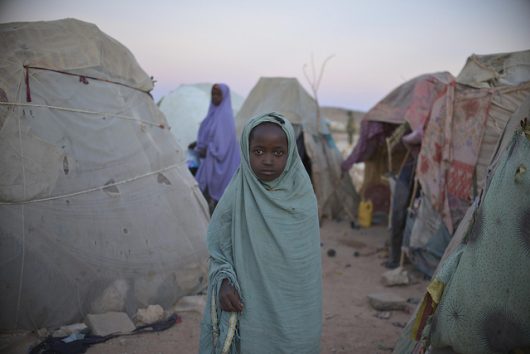
Djibouti is a small country nestled next to landlocked Ethiopia on the Horn of Africa. It lies on the western bank of the strait between the Red Sea and the Gulf of Aden. Despite its advantageous position, Djibouti is a poor nation: 41 percent of the population is poor; 23 percent live in extreme poverty. Unemployment reaches as high as 39 percent. These dour figures, however, may be on the verge of changing. The government, in conjunction with international partners, has embarked on a bold program of economic revitalization. Here is a sample of five development programs in Djibouti which could bolster its economy.
Ethiopia-Djibouti Railway
Financed by a Chinese bank and staffed by Chinese nationals, this 466 mile long, $3.4 billion transportation corridor has cut down travel times between Djibouti’s Red Sea port and the Ethiopian capital, Addis Ababa, from three days by highway to a mere 12 hours. When first opened in late 2016, the electric trains only carried freight. It has since been opened to passenger traffic as well.
Ethiopia-Djibouti Water Pipeline
This 63-mile long pipeline runs from the Ethiopian town of Hadagalla into the interior of Djibouti, where it is expected to supply safe drinking water to 700,000 residents of Ali-Sabieh, Dikhil, Arta and Djibouti City itself. The Chinese firm CGC Overseas Construction Co. Ltd. laid the pipe itself with approximately $329 million in funding from the Chinese Import-Export Bank.
Renewable Energy
Several international firms have begun developing renewable energy plants in Djibouti. The Swiss-based firm Green Enesys is building a 300MW solar plant in the city of Grand Bara. Following its lead, Canadian corporation SkyPower reached a deal with the government of Djibouti to build a 200MW solar plant at a cost of $440 million. Solar is not the only game in town, either. Shanghai Electric is working on a 60MW wind farm as well.
Refined Petroleum Product Pipeline
In contrast to the renewable energy investments in Djibouti, a 342-mile long pipeline will form yet another link between Djibouti and Ethiopia. Scheduled for completion in 2018, the pipeline will connect the central Ethiopian city of Awash to ports in Djibouti and is expected to move 240,000 barrels of petroleum products per day. This pipeline, along with another planned to deliver liquefied natural gas, could help establish Djibouti as a major shipping hub for export goods from the African interior.
Djibouti City Multipurpose Port
Perhaps the centerpiece of the government’s plan for economic growth and most important of these five development projects in Djibouti, the multipurpose port under construction in Djibouti City may allow the country on the shore of the Bab-el-Mandeb Strait to develop into a major transshipment hub for its region. In large part financed by China, this modern port facility will ultimately cost $590 million and facilitate both the import of goods from around the world and the export of petroleum and natural gas products from Ethiopia.
While the ultimate effect of these five development projects in Djibouti remains to be seen, particularly in terms of new jobs and opportunities for the unemployed or impoverished, early economic indicators are favorable. In 2016, Djibouti’s economy grew by 6.5 percent; projections for 2017-2019 run as high as seven percent growth. This new growth, driven by foreign investment in major capital projects, may yet improve the lives of many in Djibouti.
— Joel Dishman
Photo: Flickr
