How to Improve Health in Developing Countries
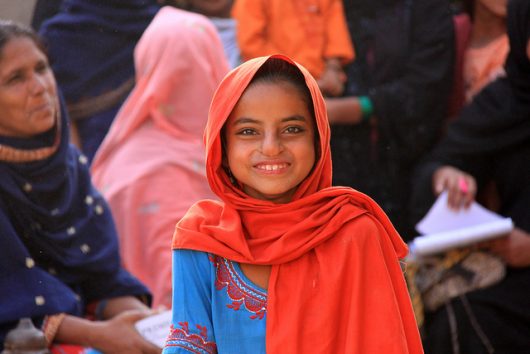
Despite the modern advancements of this era, developing countries still have poor access to quality, cost-effective healthcare. Attempting to close the socioeconomic gap created by poverty, there are three initiatives that governments and national organizations can take to improve health in developing countries.
3 Ways to Improve Health in Developing Countries
- Investing in Education: One of the most important ways to improve health in developing countries is by educating citizens. Educating people enables them to obtain safer jobs, increased health literacy, take preventive healthcare measures, avoid riskier health behaviors and demand better-quality health services.This is especially true for women living in developing countries, from girls entering puberty to pregnant mothers. Most deaths that occur in developing countries are neonatal, or during the first five years of life. By “providing formal or vocational education, adequate family planning, and antenatal services can break the cycle of poverty and empower women”, this type of education would begin providing soon-to-be mothers with the necessary knowledge to keep her family, future children, and self both safer and healthier.
- Increasing Health Benefits for the Poor: Poorer countries receive much lower health benefits than richer countries. In developing areas, the poor are subjected to higher risk of contracting diseases and lower access to quality healthcare. This is solely due to the cost of medicine, treatments and vaccinations. Through the creation of targeted systems that strategies identify who is poor and eligible for lower-cost health care. Another attribute of this system is directing programs directly towards lesser developed areas. This targeting system has the potential to “eliminate poverty at less than 10 percent the cost of development programs that do not discriminate between poor and rich”. These systems are done on different levels: most specifically they target individually poor, geographically poor, what diseases need to be prioritized, and the age of those that need health care the most.
- Promoting Primary and Essential Healthcare: A way to improve health in developing countries involves governments providing cost-effective health packages for everyone. An example of this would be Ethiopia and Malawi, where governments have focused on achieving universal vaccine coverage, developing cleaner water supplies and creating better sanitation practices.On a broader scale, as part of the Sustainable Development Goals, the U.N. has agreed to pursue universal healthcare by 2030. The initiative to create universal healthcare includes “access to quality essential healthcare services and access to safe, effective, quality and affordable essential medicines and vaccines for all”. By making availability universal, resources can be directed towards primary-level facilities of care that strengthen the overall treatments that people will be receiving.
These are not the only ways to improving health in developing countries. Governments and organizations have taken many different initiatives to closing the socioeconomic gap. With the Sustainable Development Goals, there should be a significant increase of developed countries contributing to establishing safe, quality healthcare systems.
– Taylor Elgarten
Photo: Flickr
