2017 Ibrahim Prize Awarded to Liberia’s Ellen Johnson Sirleaf
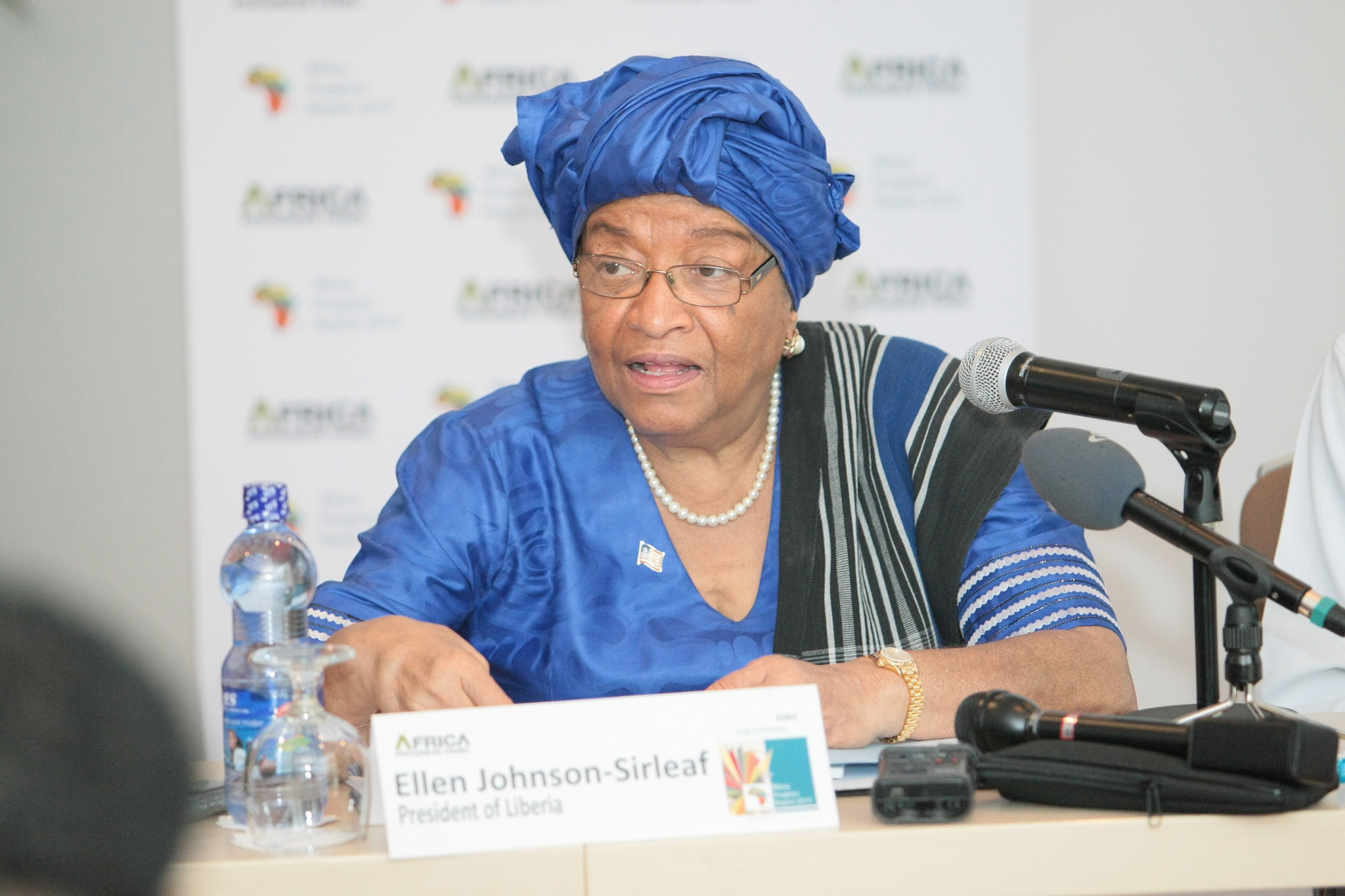
In February, former Liberian President Ellen Johnson Sirleaf was awarded the Mo Ibrahim Prize for Achievement in African Leadership. The Mo Ibrahim Foundation, an organization dedicated to promoting leadership and governance across Africa, dispenses the $5 million honor to former African heads of state that “have developed their countries and strengthened democracy and human rights for the shared benefit of their people.”
Mo Ibrahim Prize
Johnson Sirleaf is the fifth recipient of this honor, which is reserved for democratically elected leaders who, in the previous three years, have demonstrated leadership and left office following legally mandated terms. Previous winners include the former presidents of Mozambique, Botswana, Cape Verde and Namibia.
The selection committee, which chose not to issue the award in 2015 and 2016, selected Johnson Sirleaf for having “led a process of reconciliation” in Liberia in the aftermath of the nation’s civil war. The first female recipient of the Ibrahim Prize, Johnson Sirleaf became the first democratically elected African head of state when she was inaugurated as President of Liberia in 2006.
In many ways, Johnson Sirleaf’s journey mirrors that of her country — both have weathered significant tumult and overcome controversy in their search for stability.
Ellen Johnson Sirleaf
Ellen Johnson Sirleaf was born and raised in Liberia, and eventually came to the United States to study, earning an MBA from Harvard in 1972. She was back in Liberia working as a finance official, when, in 1980, a staff sergeant led a coup which ousted its president. The coup, which resulted from tensions between the indigenous people and the Americo-Liberians – descendants of settlers who came to the nation as part of a program of the American Colonization Society – commenced the nation’s descent into chaos.
Johnson Sirleaf managed to escape to the United States. Following an interlude working in international finance, she returned to Liberia and ran for the Senate, but was arrested and sentenced to work in a labor camp. Mounting international pressure culminated in her release after less than a year of her ten-year sentence.
Tensions between competing militias intensified, thrusting the nation into further violence and civil war. Forced to flee once more, Ellen Johnson Sirleaf took a job at the United Nations.
Development and Women’s Rights
She returned to Liberia in 1997, and lost her presidential bid before being elected in 2005. During her tenure, she leveraged her ties with international organizations to bring development assistance to Liberia. She also prioritized women’s rights and stopping “gender-based violence, building ‘capacity’ and furthering reconciliation among former combatants” to stabilize the country.
Helped by her financial expertise, Liberia succeeded in having much of its international debt forgiven, and also managed to secure significant foreign direct investment to a nation whose infrastructure had been decimated by its civil wars.
Johnson Sirleaf’s presidency was punctuated by the Ebola crisis; under her leadership, Liberia became the first of three nations to stop the outbreak.
Faults and Success
Despite her successes, Johnson Sirleaf’s presidency was not without controversy. She faced substantial criticism for her brief support of the warlord Charles Taylor in 1990 and she also weathered charges of nepotism for her appointment of her sons to government posts. Critics consider this behavior a regrettable irony for a leader who made combating corruption a hallmark of her campaign.
The Mo Ibrahim Foundation recognized these “shortcomings” but chose to issue the award because Liberia was the only nation in the Ibrahim Index of African Governance which improved its scores in each category during Johnson Sirleaf’s tenure.
– Brendan Wade
Photo: Flickr
