Cash-in-Hand in Honduras’ Informal Economy
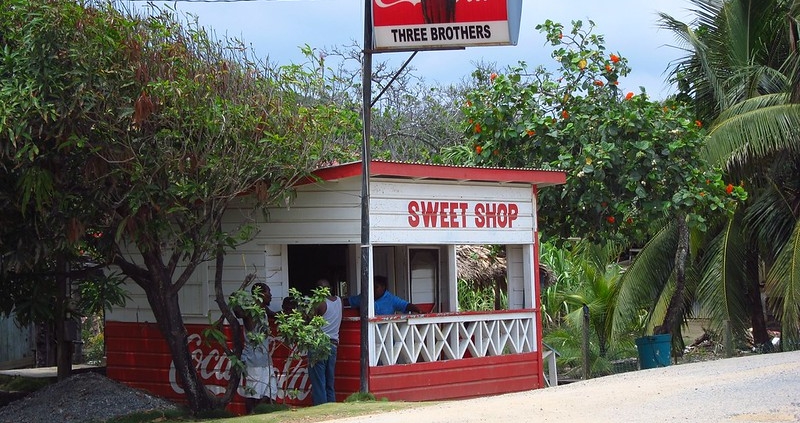 Informality is a growing phenomenon in the global South, specifically in countries of Latin America and the Caribbean (LAC). While almost everyone must work out of necessity, not all work is created equal. In Honduras, the informal economy is seeing notable change, with women entering the formal workforce and small businesses driving social and economic development.
The Informal Economy: What Is It?
While formal work involves a written contract between employer and employee and generally ensures workers’ protection, rights and stability, informal labor is a broad term with multi-faceted meanings. This might include a family-owned shop where an employee helps on the weekends, street vendors, gig workers, micro-businesses and domestic workers in cash-in-hand employment.
While this type of work occurs in every country, there are notable trends. In 2024, the OECD drew upon the survivalist aspects of informal work, noting how these jobs are often characterized by a lack of social benefits, poor working conditions, lower remuneration and poverty. Currently, 90% of the global workforce is made up of informal employees, largely from low-income countries.
While policy change is urgently needed, much informal work is also produced and performed within the household, making it difficult to categorize or track. Women are more likely to be part of the informal labor force, and four in 10 people in LAC countries currently depend solely on informal work. More than half the people in countries such as Colombia, El Salvador, Paraguay, Peru, Bolivia and Honduras are vulnerable to exploitation, with low earnings, excessive working hours and poor working conditions — conditions that may carry on into future generations.
A Case for Formalization
Employees working informally do not contribute to a country’s GDP, largely due to tax avoidance. Workers within the informal economy earn less than their formal counterparts, and their country’s economy is often weaker as a result.
J.P. Morgan notes that “informality thrives where entry is hardest” and is thus bound to disproportionately affect those without formal education or with low social standing. For these reasons, it is more likely to affect women and girls. The shift from informal to formal economies is not straightforward, but can be achieved through policy and business action, reducing the gender pay gap and the potential for violence and abuse facing women and girls.
Honduras: A Case Study
The OECD report shows Honduras’ informal economy to be the largest among the LAC countries examined, with nearly 80% of salaries coming from informal channels.
Despite this, organizations such as CAVEXSA, COCASAM and UPROCASUR have been aiding the transition from informal to formal work. These are small to medium enterprises in the agricultural sector, harvesting, packaging and transporting commodity goods such as sugar and coffee.
Backed by the ComRural II project and the World Bank Group, they are committed to providing technical training and job opportunities for rural communities. More than 3,200 Hondurans have attained job security, with numbers set to increase with every harvest. These are jobs in previously male-dominated sectors, signaling economic growth that also challenges gendered stereotypes.
Looking Ahead
Honduras’ informal economy remains essential for many, but procedures such as effective minimum wages, community-driven businesses, contributory schemes and social protection are among the ways the OECD suggests alleviating the burden of informal work.
Denis Calderón, a former okra producer and current board member of CAVEXSA, is a single mother of five. “I was a housewife — I’m not ashamed to say it,” she said, adding that “women are capable of anything,” in agriculture, domestic life and beyond. The leadership of women like Calderón in these businesses reflects a broader shift in how economic growth is taking shape in the global South.
– Grace Sandall
Grace is based in Madrid, Spain and focuses on Business and Technology for The Borgen Project.
Photo: Flickr
